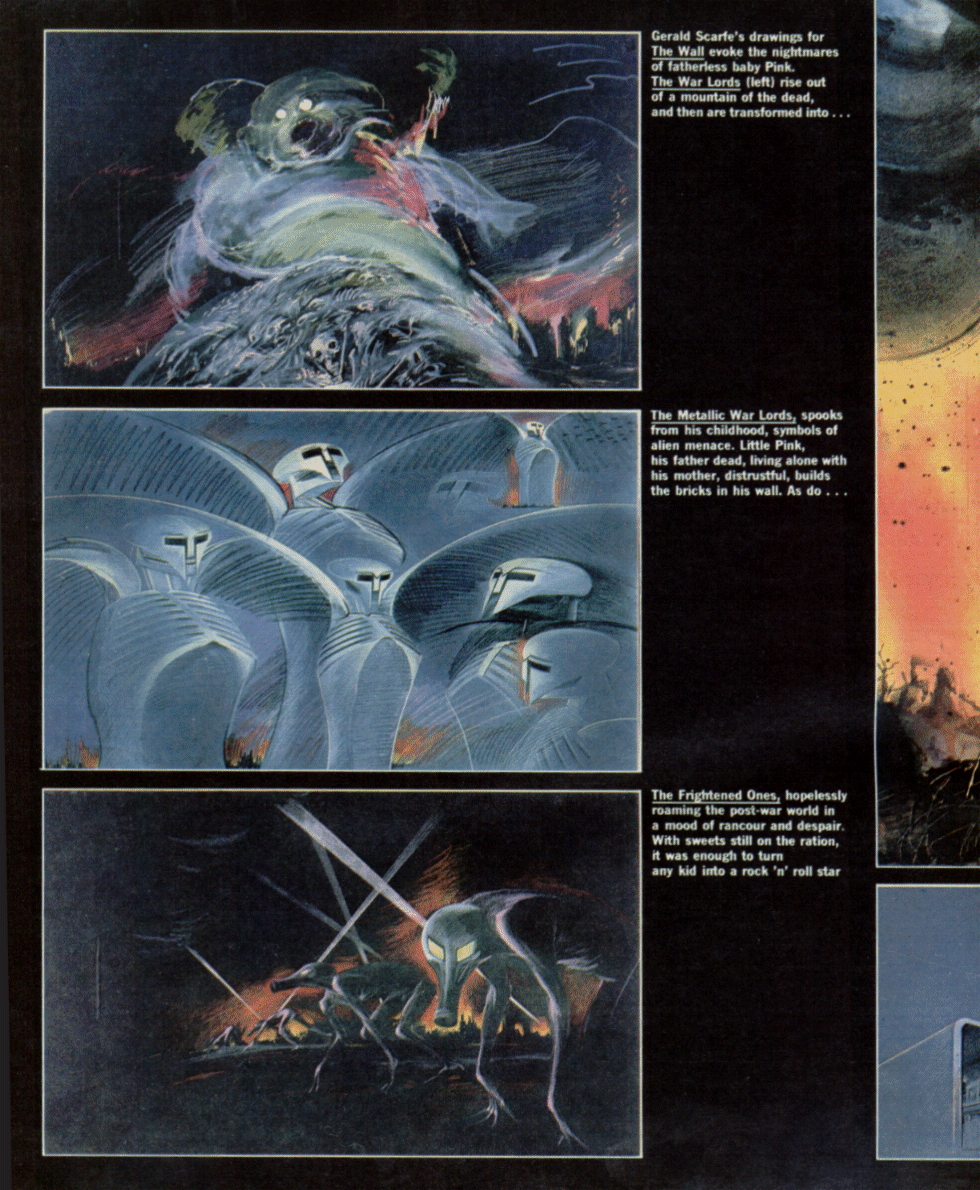
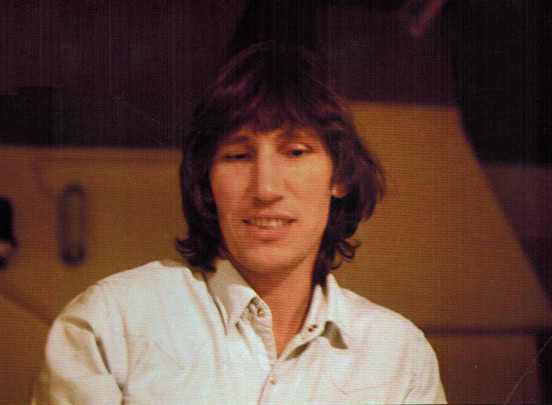
All the documents shown on this page are identified with the correct date when the informations are available. All the credits
are given to the original owner. Despite the corrections,. if errors exist please send me a email (you will be cited as contributor).
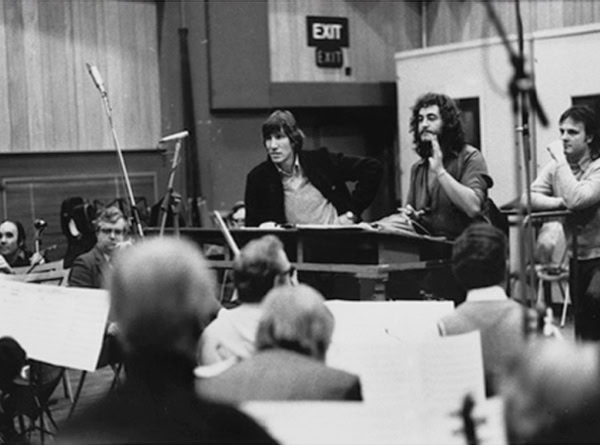
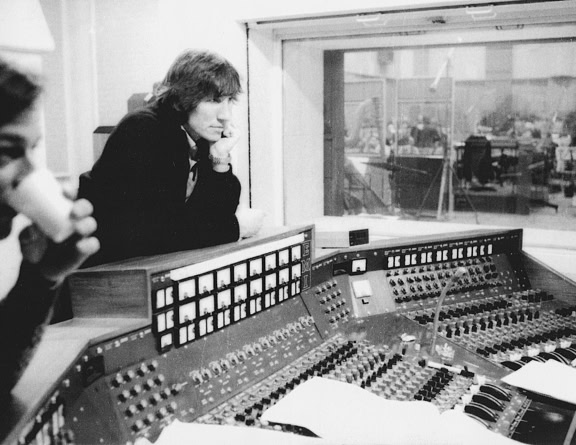
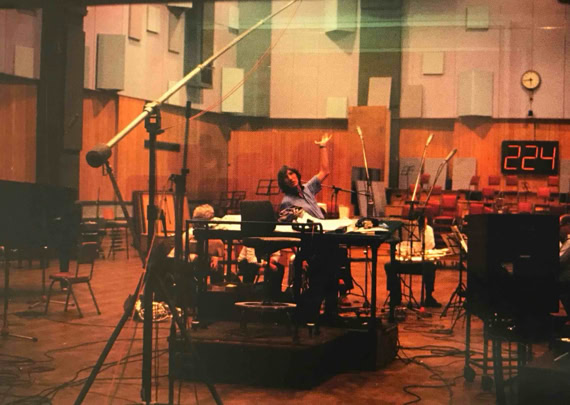
Early January, Orchestral sessions produced by James Guthrie and Michael Kamen on Abbey Road Studios
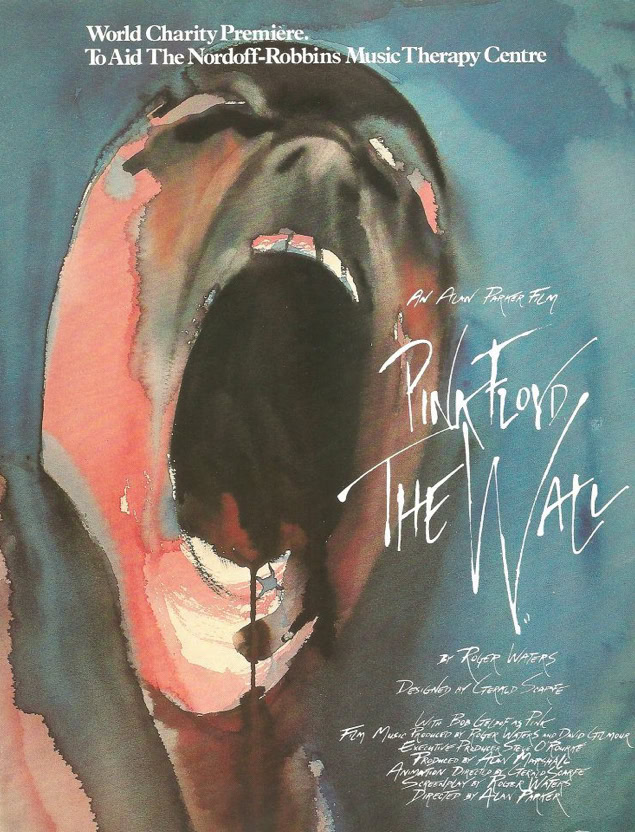
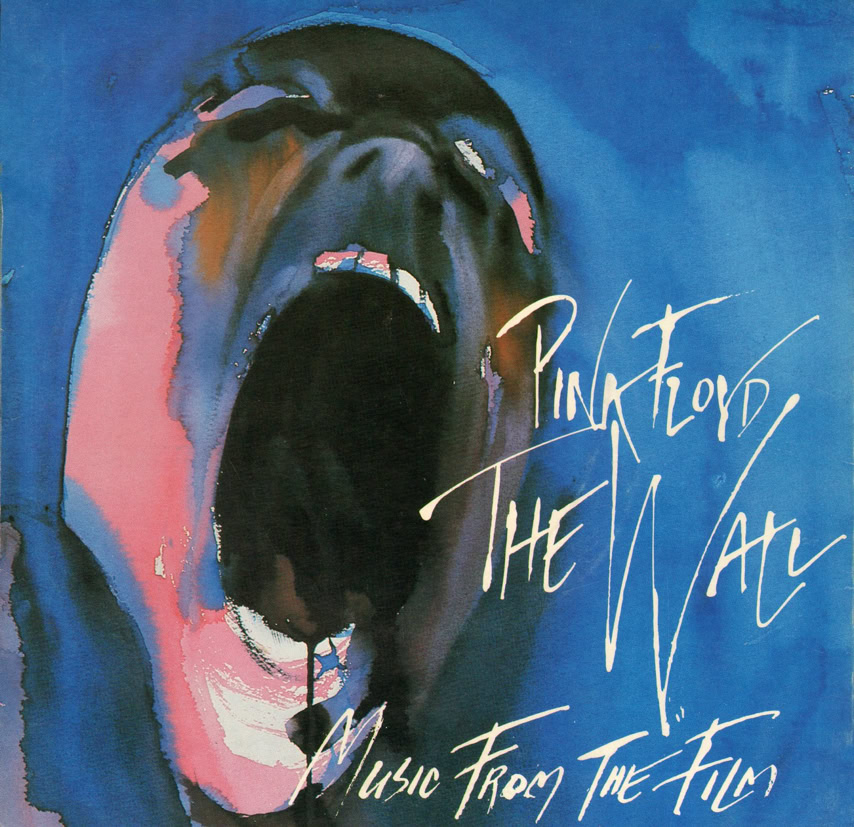
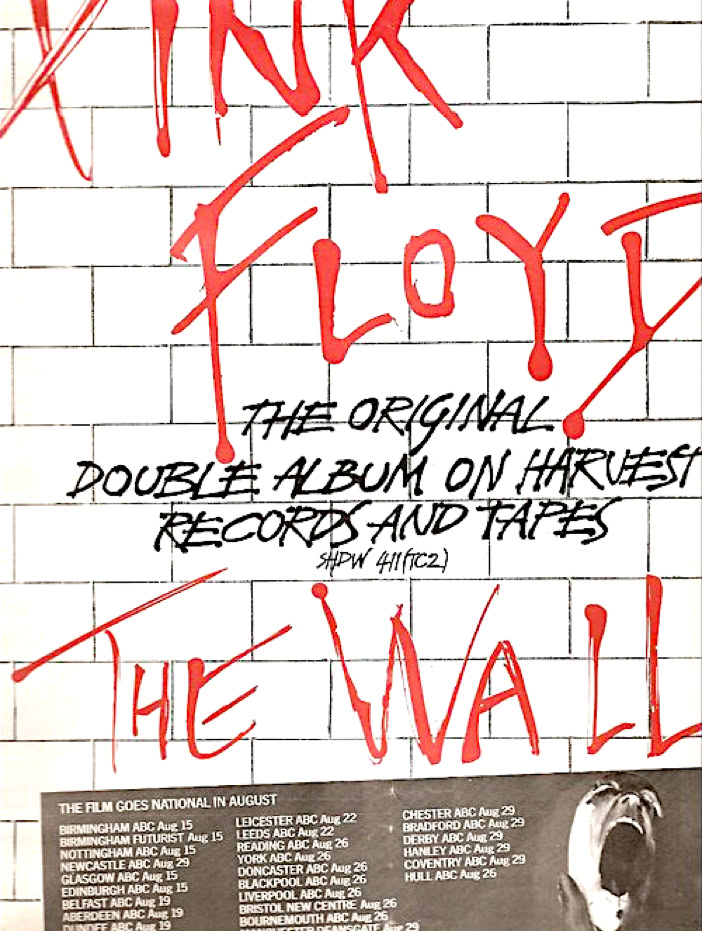
March 1982 First Cinema trailer for the forthcoming « Pink Floyd The Wall »
MAY 1982
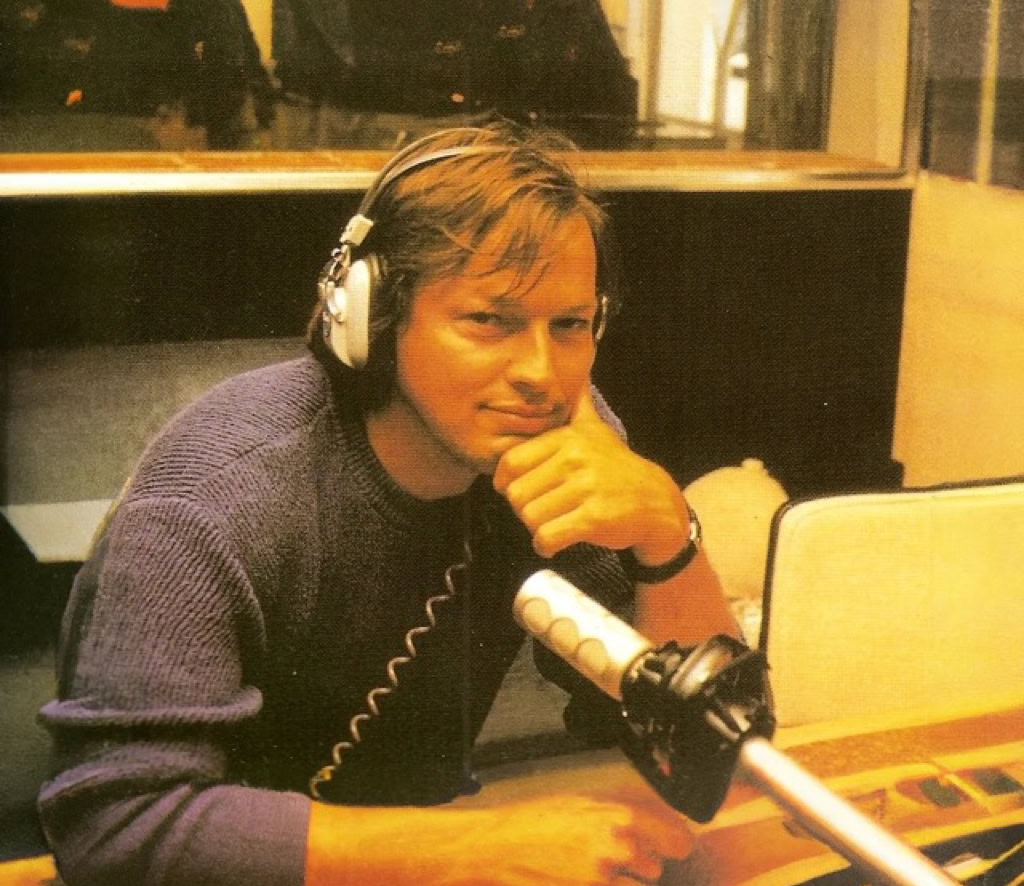
1st May 1982 David Gilmour and Nick Mason are invited at the French radio station Europe 1 for a special radio show called « Carte blanche aux Pink Floyd ». The future of the band is evoked with the DJ François Jouffa :
Interviewer : « David please tell us... Pink Floyd, the band, is it still together? Are you going to play again together ? »
Gilmour : « Yeah, we are together (!-KL), but we haven’t made any plans to play again. We were working on the movie until now,
and we haven’t talked about later.».
Interviewer : « Well, there is hope to see you together again soon ? »
Gilmour : « We don’t know ».
« Carte Blanche aux Pink Floyd », Europe 1, 1 May 1982
Photography by Claude GASSIAN
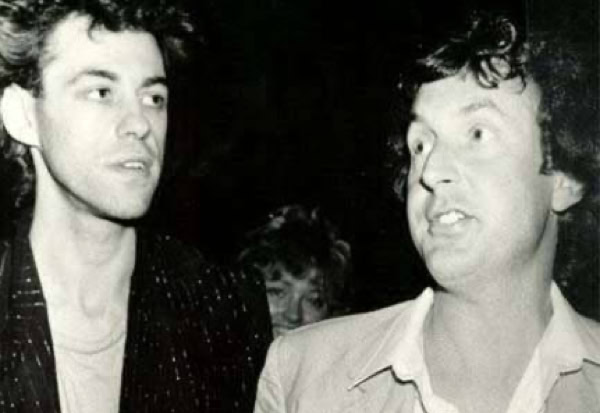
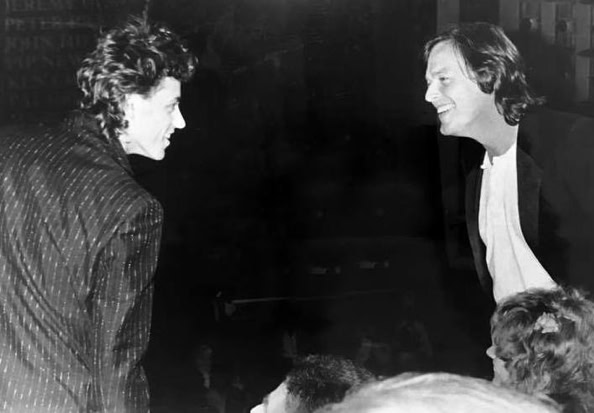
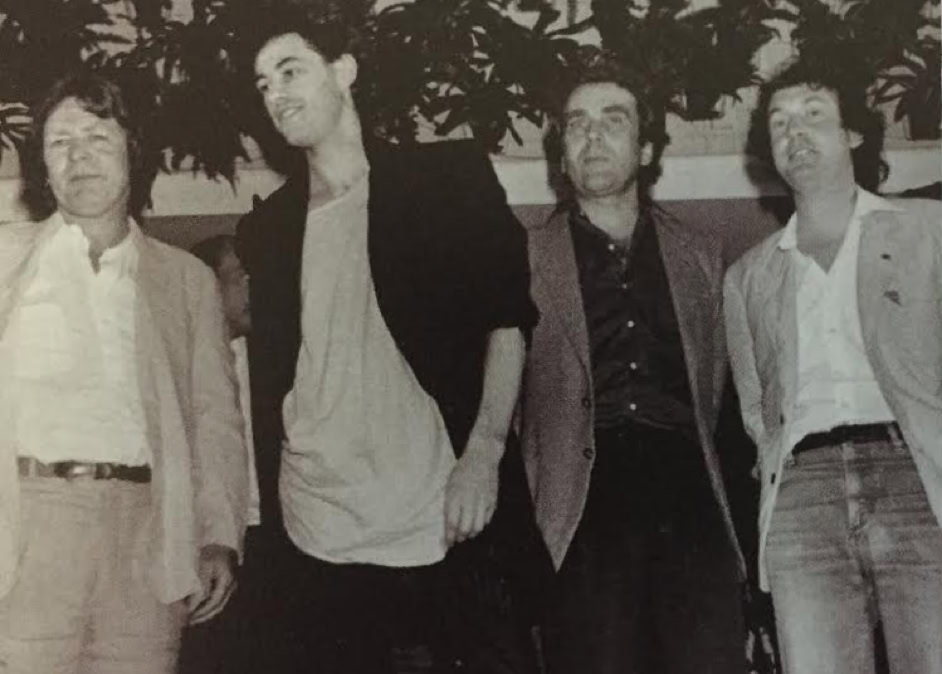
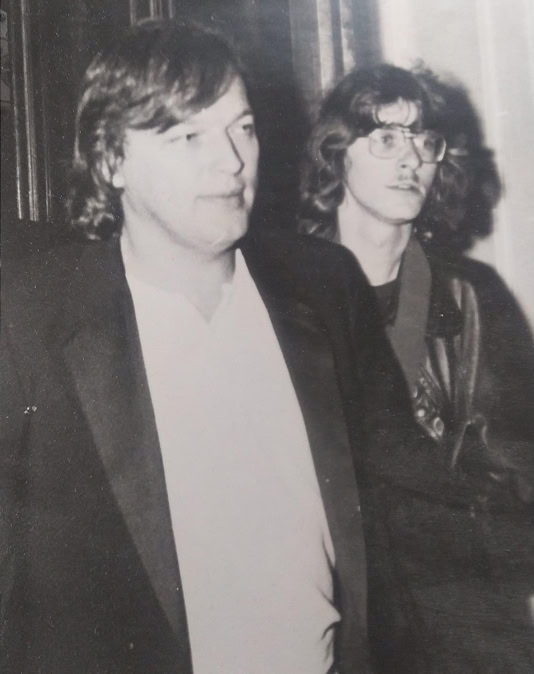
22 may 1982, premiere of the movie at the « Festival de Cannes ». David, Nick, Bob Geldof, Alan Parker and Alan Marshall are present.
Gerald Scarfe:
« The premiere at Cannes was amazing - the midnight screening (…) It was one of the last films to be shown in the Vieux Palais »
« The making of Pink Floyd The Wall », Gerald Scarfe
Bob Geldof:
« (…) Je n’avais pas voulu voir les rushes, je voulais tout découvrir hier soir et, bon, ce film est géant, n’est-ce pas ? »
« Mur, Mur », Rock & Folk, July 1982
Alan Parker:
« On va reprendre le montage et enlever une ou deux secondes à pas mal de plans. L’histoire est finalement très claire, j’avais peur qu’elle ne le soit pas assez. Ça nous laisse encore une marge pour accentuer l’efficacité des images »
« Mur, Mur », Rock & Folk, July 1982
David Gilmour:
« Tu sais, il y avait deux journalistes du « Sun » et du « Daily Express », les mecs n’ont rien compris! Même pas vu les uniformes anglais ! Pour eux, c’est la meilleure condamnation qu’on ait faite de l’invasion de l’Afghanistan ! »
« Mur, Mur », Rock & Folk, July 1982
JUNE 1982
17 to 24 June, James Guthrie and Roger Waters are recording the Pontarddulais Male Choir for the tracks When the Tigers broke free and Bring the boys back home.
Early June Built by Nautor Swan in 1982, the boat named Evrika is launched. It will bought by Rick after the release of « Identity ». A track from the « Endless river» will be named after this name
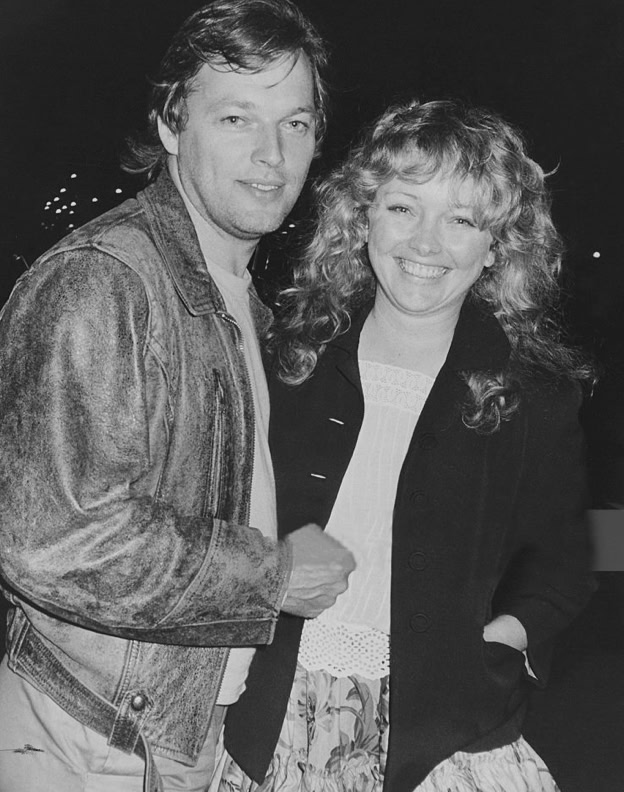
19 June, David Gilmour and his wife Ginger are seen at the Simon & Garfunkel concert at Wembley
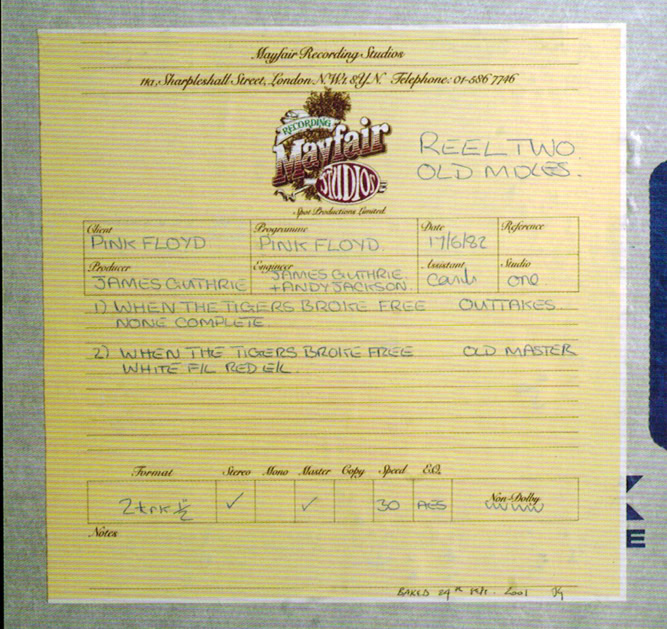
From 17 to 24 June 1982 When the Tigers broke Free and Bring Boys back home are mixed at Mayfair Studios for a single release.
24 June Advance press screening of the film at Ziegfield Theater. 33 years later, Roger Waters wiil held his premiere for « Roger Waters - The Wall » in the same theater
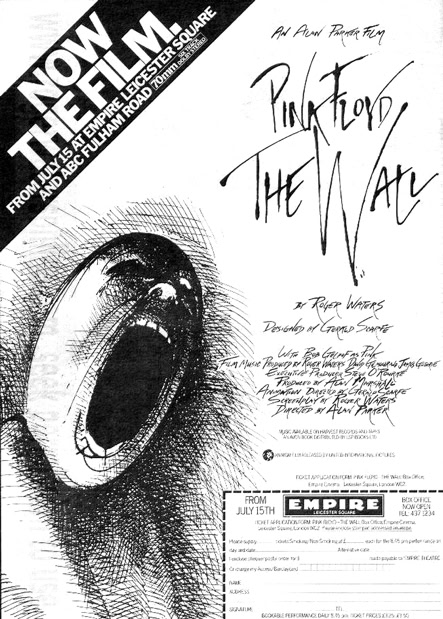
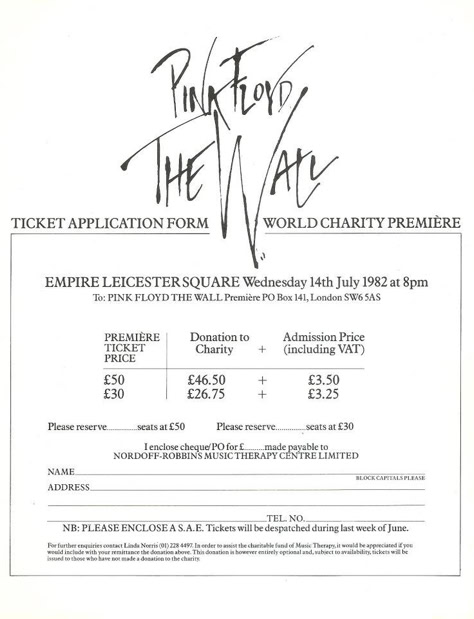
The English premiere of the movie is planned at the Empire Theater of London.
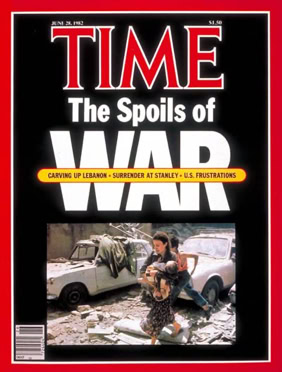
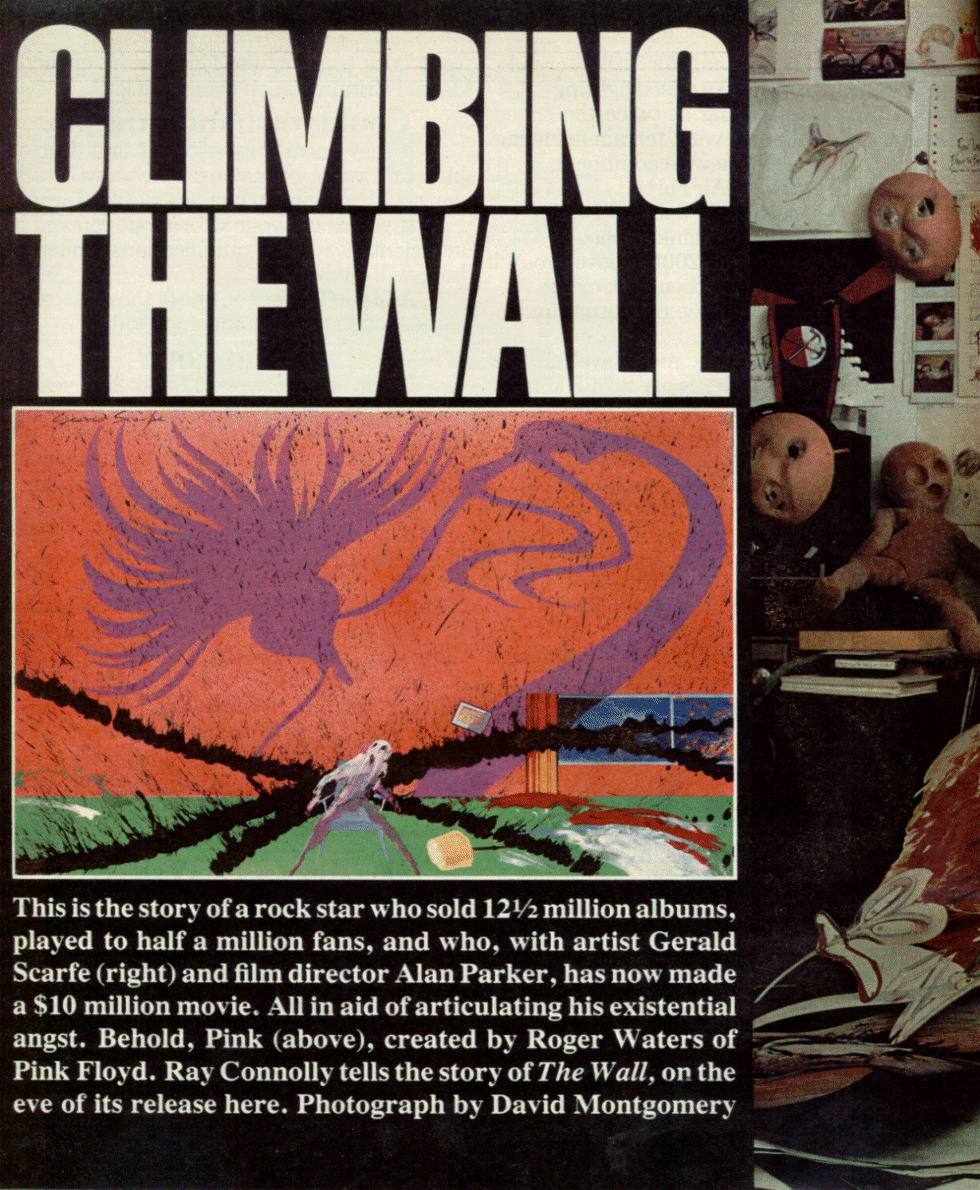
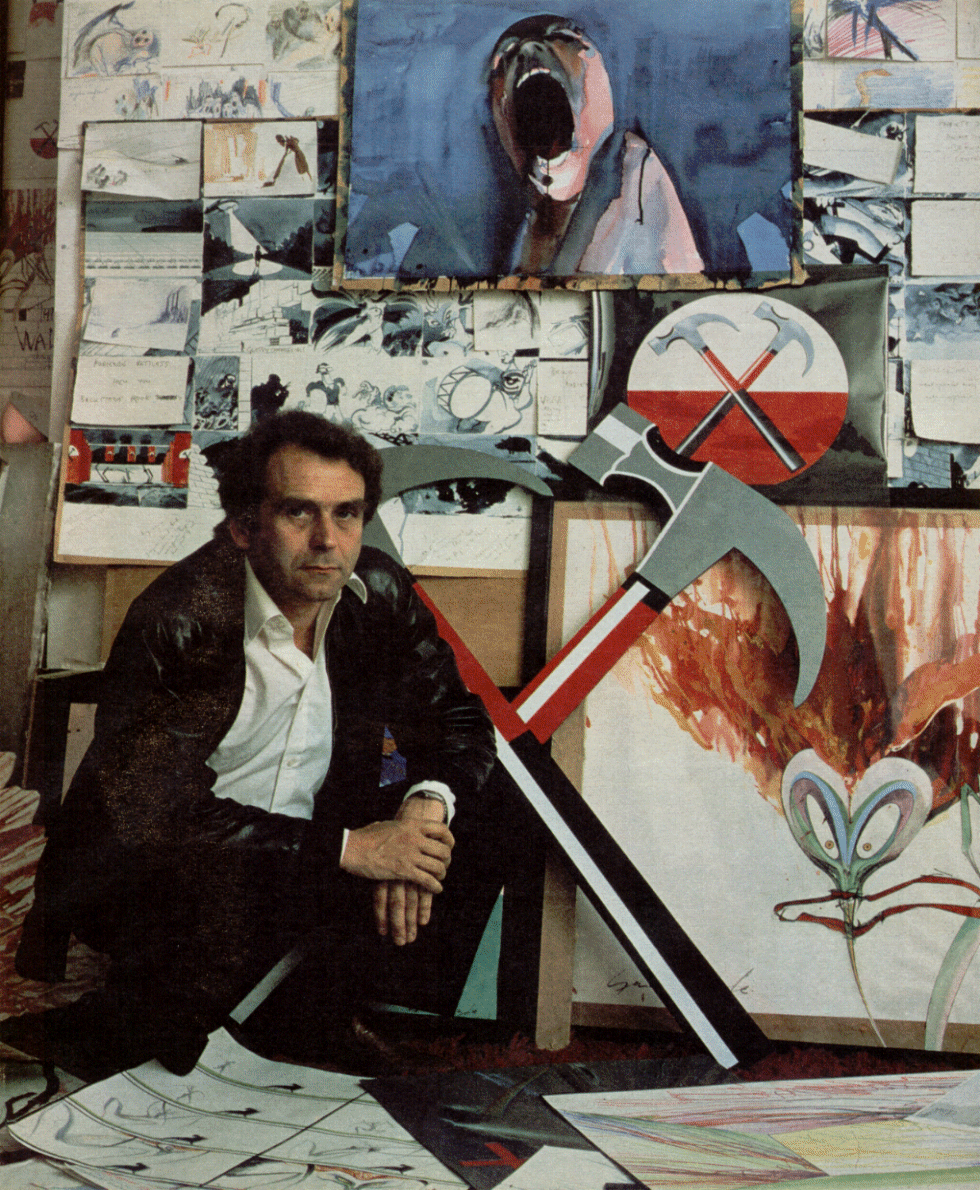
The very serious magazine « Times » devotes an article 6 pages-long to the film.
JULY 1982
Early July, Pink Floyd began five months of intermittent recording on their next album, « The Final Cut ». The sessions took place at various studios, including Abbey Road, Olympic, Mayfair, RAK, Eel Pie, Audio International, and David Gilmour's home studio, Hookend, and Roger Waters' home studio, The Billiard Room.
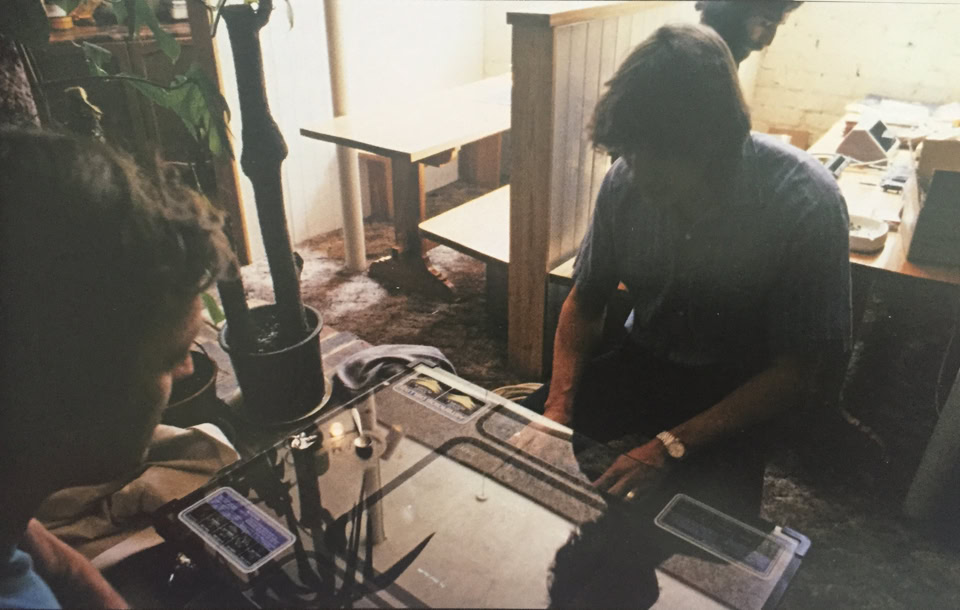
Photographies by James GUTHRIE
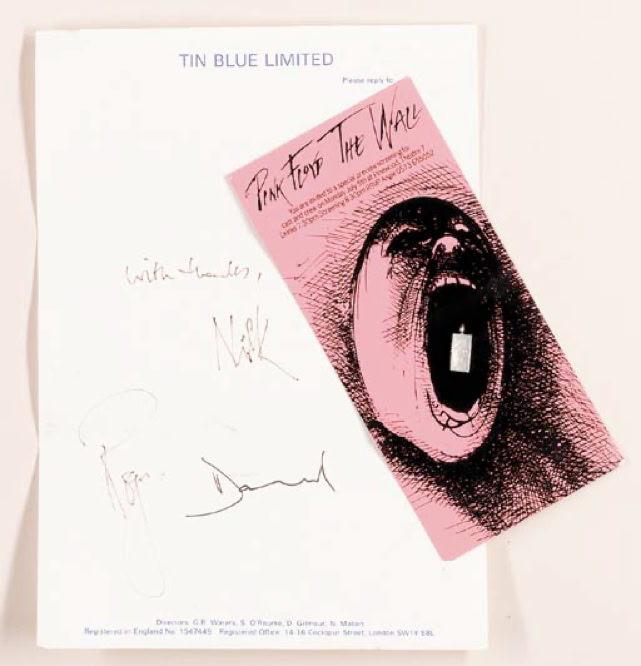
5 July 1982, cast and crew preview screening at the Pinewood Studios. An invitation with the thanks of the three remaining members along a miniature souvenir (an engraved silver brick) is given to the guests.
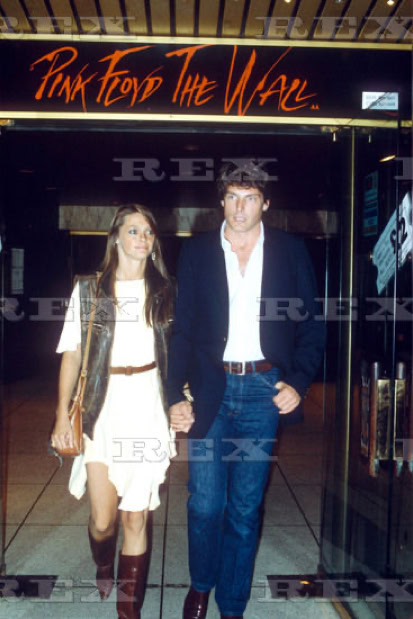
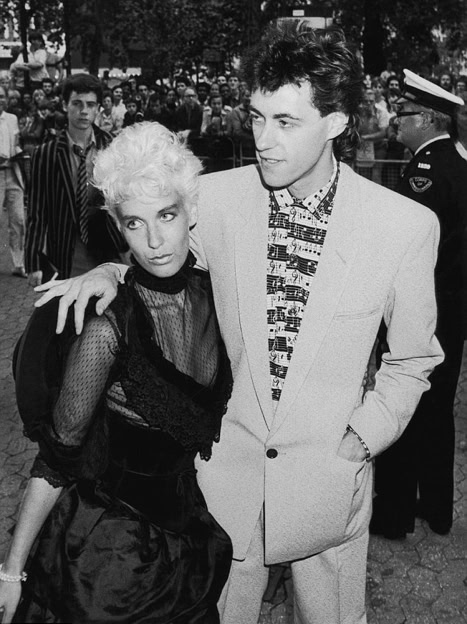
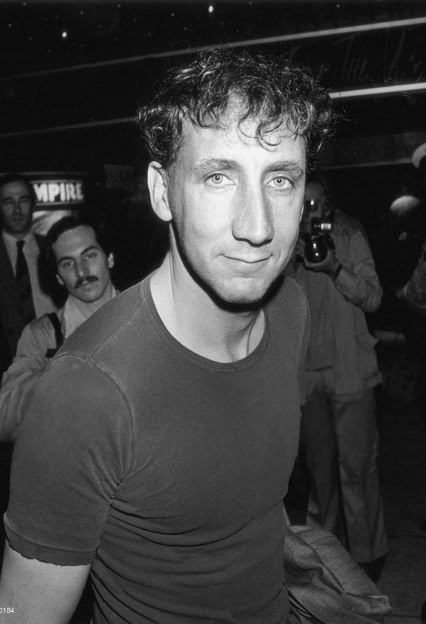
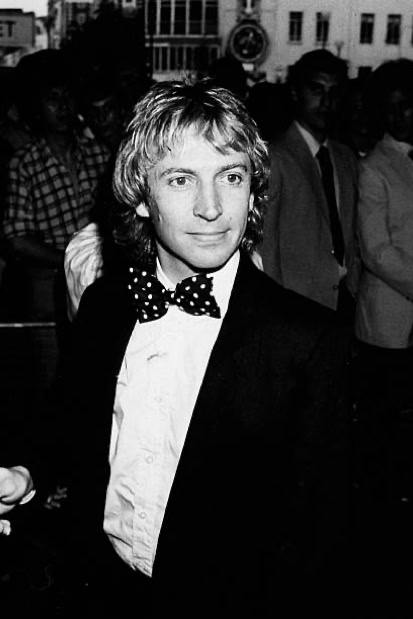
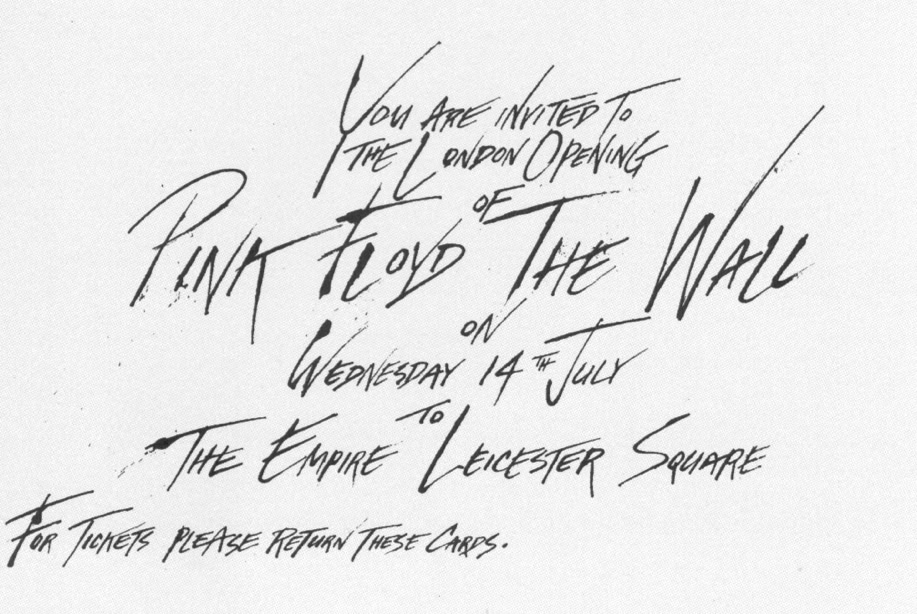
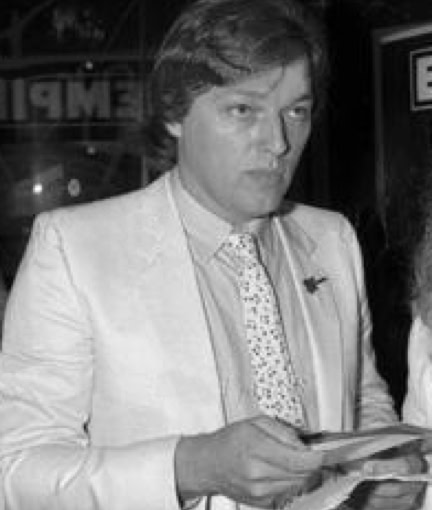
14 july 1982 Premiere of the movie at the Empire Theater of London
Left to right: Christopher Reeve and Gae Exton, Bob Geldof and Paula Yates, Pete Townsend, Andy Summers (Pictures by « Rex Features » and « Getty Images »)
David, Roger, Nick, Gerald Scarfe, Alan Parker and Alan Marshall are presents. Rick is excused by the band members!
Interviewer : « You told me at the Wall premiere that Rick Wright was on holiday, but you didn’t mention him leaving the band – had he actually left at the point ? ».
Mason: « I’ve no idea – I can’t remember whether he had or not at that time »
« Interview with Nick Mason », BRMB Radio, September 5th 1985.
Rick was in Greece at this time
14 july 1982 French release of the movie. On this occasion, Roger Waters gives an exclusive interview to the famous French newspaper «Le Monde».
He expresses a certain number of criticisms on the film and does not hide the difficulties related to the shooting. He also indicates that the future of the group depends only of him. You can find the complete transcript here (in French)
26 July 1982 Pink Floyd released a single, When The Tigers Broke Free (B-side: Bring The Boys Back Home), in the UK and US. The single charted in the UK at No. 39. The soundtrack is always in the process of the recording at this time.
AUGUST 1982
Following the payment of back royalties, Syd Barrett move back to London, at the Chelsea quarter. He decided finally to come back to Cambridge after some weeks.
Early August, Roger changes finally his mind and abandons the idea of releasing the soundtrack on disc. More detail on this unreleased soundtrack on this page.
Roger Waters:
« In fact, there was some stuff in The Wall that was too personal as well… which showed up in the movie. There’s a song in the movie called « When The Tigers Broke Free » which is about my father being killed, which had been on the original Wall demo. It was part of the piece originally but which made them uncomfortable because it tied it down to specifically « this record is about Roger Waters » rather than Pink, which was a worry, reasonably enough, I suppose »
« Inside track », unknow US Radio, 22 October 1984
In the absence of a soundtrack, the record company relaunches the 1979 album in the store as the original version of the film!
The group breaks during the recording sessions to promote the film in USA. David Gilmour takes the promotion in charge when Waters dismissed.
Roger Waters:
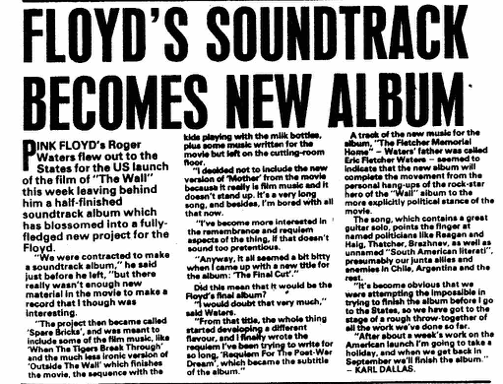
« After about a week’s work on the American launch I’m going to take a holiday, and when we get back in September we’ll finish the album »
«Floyd’s soundtrack becomes new album», Melody Maker, 7 August 1982
David gilmour:
« Roger should really be doing the promotional tour because it’s really his film »
«Film promotion drives Pink Floyd guitarist up the Wall», Arizona Republic, 21 August 1982
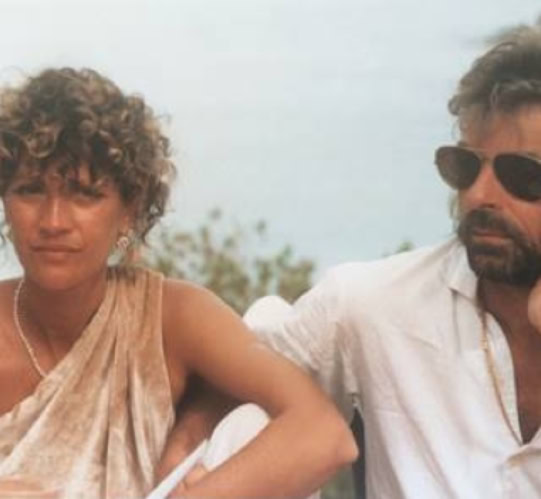
David takes a break in Greece before to come in USA for the American promotion of the film. He goes with his family in Lindos where Rick live with his fiancée.
Franka Wright:
«When we bumped into David in Lindos, both men studiously ignored each other !»
«The dark side of Pink Floyd …», Daily Mail Online, 3 July 2016
Left: David and Ginger Gilmour. Right: Franka and Rick Wright in Lindos, August 1982.
8 August 1982, US premiere for the East Coast at the Ziegfeld Theater of New York
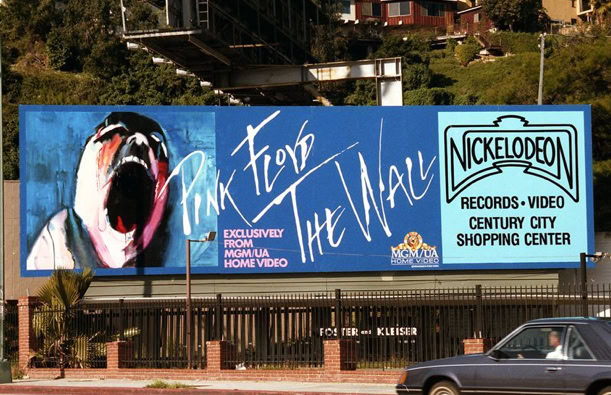
12 August 1982, Premiere of the movie on the West Coast at Los Angeles.
Finally, the soundtrack seems to be definitely buried
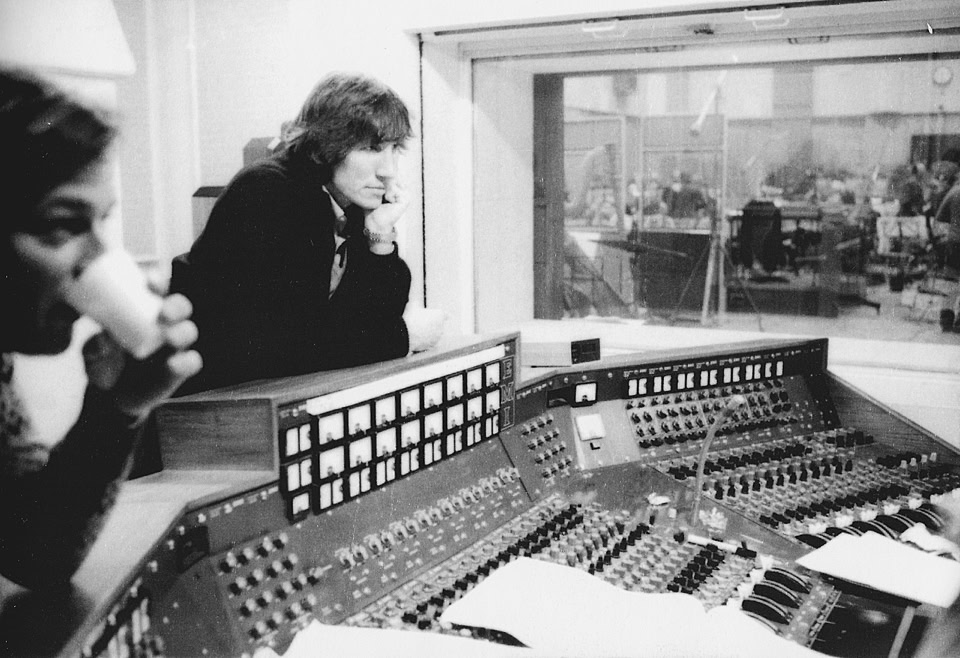
David and Roger at the Dubbing Theatre 2, Pinewood Studios
David Gilmour:
« At one point we intended to make a soundtrack album but we just didn't have enough new music to reasonably justify putting one out. At one point we thought more of the music in the film would be new or different, but it didn't work out that way. We re-recorded about five songs for the film, but in most cases we just re-mixed the original tapes »
« No soundtrack but ... Pink Floyd's next album will have a 'Wall' tie-in », Billboard, 18 September 1982 »
Roger Waters:
« We were contracted to make a soundtrack album but there really wasn’t enough new material in the movie to make a record that I though was interesting. The project then become called « Spare Bricks » and was meant to include some of the film music, like « When the Tigers break through » (sic) and the much less ironic version of « Outside the Wall » which finished the movie, the sequence with the kids playing with the milk bottles plus some music written for the movie but left on the cutting-room floor. Anyway, it all seemed a bit bitty when I came up with a new title for the album « The Final Cut ». From that title, the whole thing started developing a different flavour (…) »
« Floyd’s soundtrack becomes new album », Melody Maker, 7 August 1982
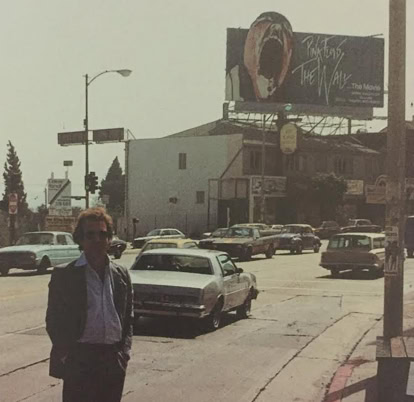
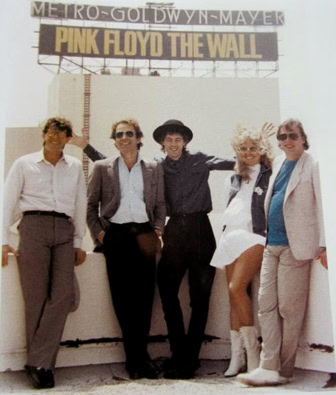
Left: Sunset Boulevard with Gerald Scarfe. Right: At the MGM studios with Steve, Gerald, Bob, Ginger and David
On the occasion, David gives many interviews for the world’s presses.
Interview with the « Music Life » magazine on 18 August. Pictures by Shinko Music
David is photographied by the famous Patrick LABANCA.
SEPTEMBER 1982
The band members don’t hide the disagreements inside the group in the press anymore:
Roger Waters:
«Back in the early seventies, we used to pretend that we were a group. I started to get very resentful because i was doing a lot more and yet we were all pretending that we were doing it. Well we don’t pretend anymore. I could work with another drummer and keyboard player very easily, and it’s likely at some point i will. (The future of Pink Floyd) depends very much on me »
«Behind Pink Floyd’s The Wall», Rolling Stones, 16 September 1982.
Gilmour:
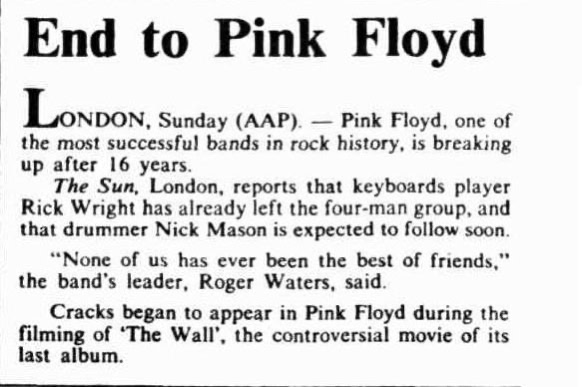
« Well, you know, none of us has ever been the best of friends. I have never been a close personal friend of anyone else in band, and neither was Rick, really. Roger and Nick have at times been fairly close. We don’t not get along, but we’re working partners »
«Behind Pink Floyd’s The Wall », Rolling Stones, 16September 1982
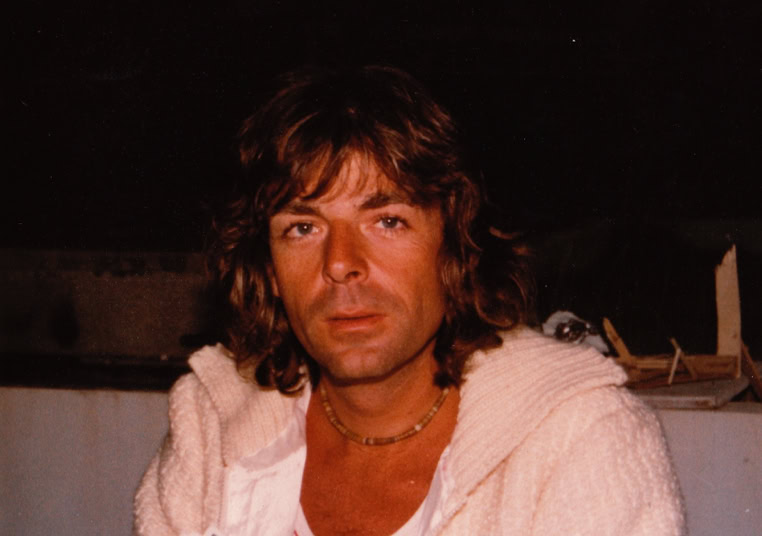
Richard at Lindos, Greece in 1982
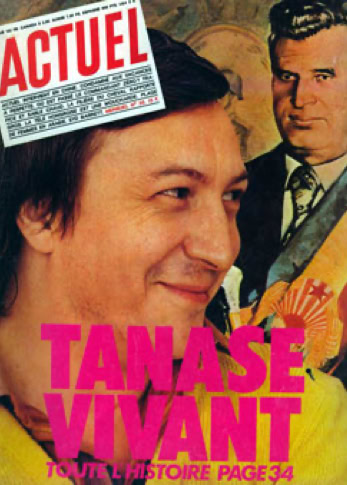
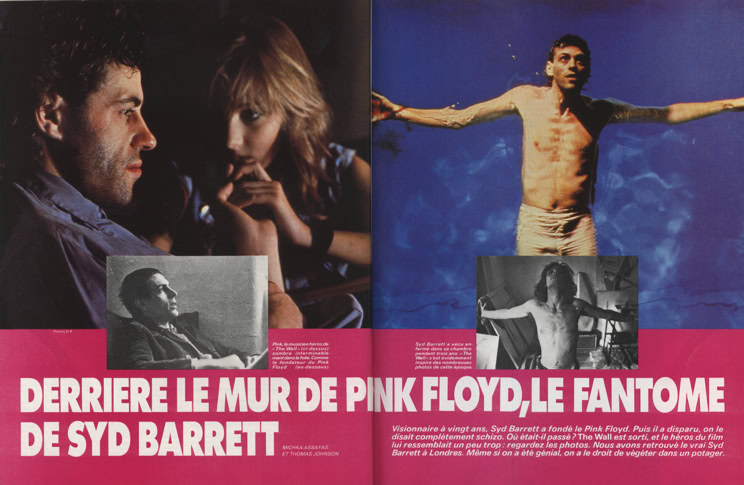
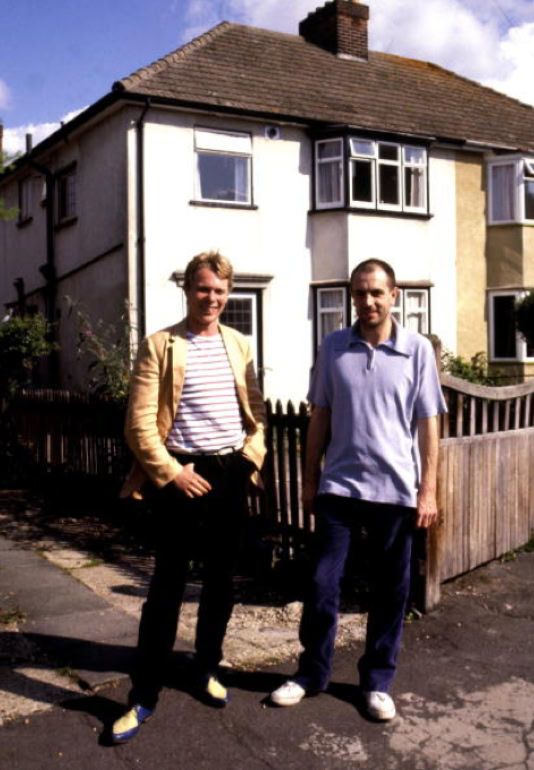
The reporters of the French magazine « Actuel » tracked down Syd Barrett. The journalists collected a few words from the former leader of Pink Floyd after having invited him to his house. On this occasion, some photos were taken
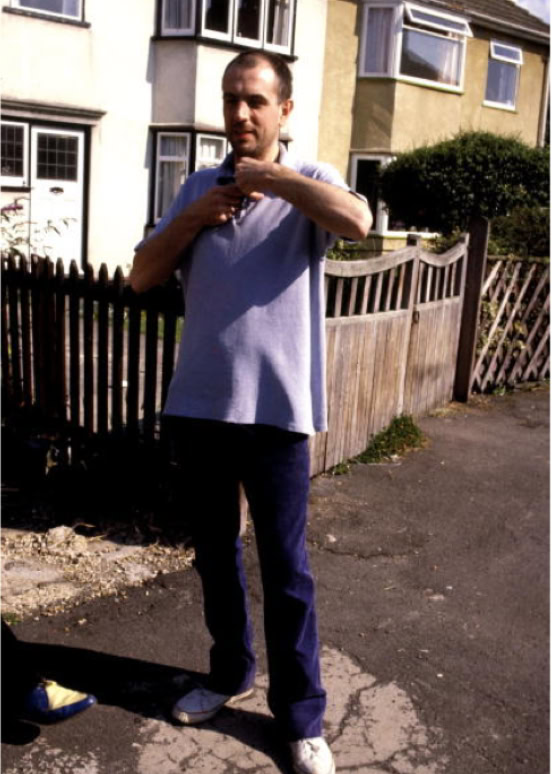
Syd photographied in the front of his house by Janette Beckman
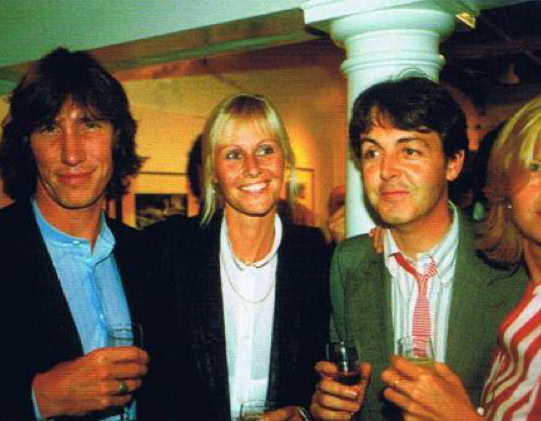
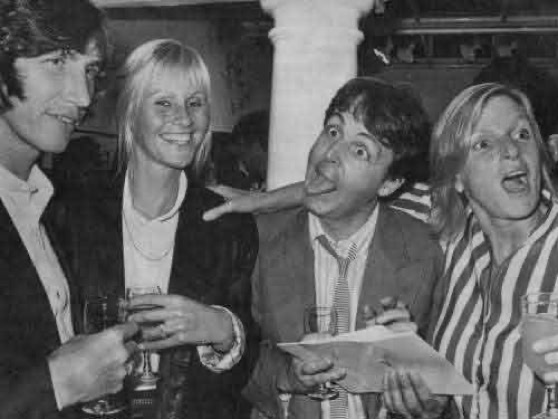
Roger and Carolyn are invited by the Mc Cartney’s to visit the « Linda Mc Cartney photo exhibition » at the Hamilton’s gallery of London.
Roger and Carolyne Waters; Paul and Linda McCartney
Late September 1982, Beginning of « The final Cut » recording sessions
Waters:
«(...) I started writing this piece about my father. I was on a roll, and I was gone. The fact of the matter was that I was making this record. And Dave didn't like it. And he said so … »
« Pink Floyd – The Inside Story », The Rolling Stone Magazine, November 1987.
Gilmour :
«I said to Roger: « If these songs weren’t good enough for «The Wall», why are they good enough for now ? » We had the most awful time of my life. Roger had got Rick out, Nick wasn’t around much and now he was starting on me. A most unpleasant and humiliating experience ».
«Fable of deconstruction», Mojo, May 1994.
Gilmour:
« Roger wanted to do all the writing, he wanted to take over the whole thing. He would engineer moments to try and ensure that no one else got any writing. Certainly on The Final Cut, he engineered a situation where no one else could do any writing »
« Dave Gilmour », Creem Magazine, February 1988.
Waters :
« The end came when we did The Final Cut, and Dave said he didn't think the record was good enough, so I asked him if he had any songs. Well, he hadn't got any. He wanted me to shelve it for a year, so he could write some songs. I said, "C'mon Dave, you haven't written any songs for five years, what makes you think you're going to start writing songs now?" I told him I'd release it as a solo record if they wanted, but they didn't want that either. That was the big bust-up really. There was so much rancor by the end of it ».
« The Man Behind Pink Floyd's The Wall », Greg Knot, 1999.
Gilmour :
« He was just obsessed with the idea that I was being destructive and I didn't believe absolutely and completely in everything he did and said. But I'd say « I’m sorry, man, I'm being constructive » »
The Guardian, Juin 1988.
Waters:
« I said : “Perhaps this should be a solo record. I'll pay you guys the money we've spent, and I'll make this a solo album” . No, they didn't want that, because they know songs don't grow on trees. They wanted it to be a Floyd record »
« Pink Floyd, The Inside Story » , Rolling Stone, 19 November 1987
OCTOBER 1982
The producers are recording some sound effects with the use of the holophonic sound process by Hugo Zuccarelli
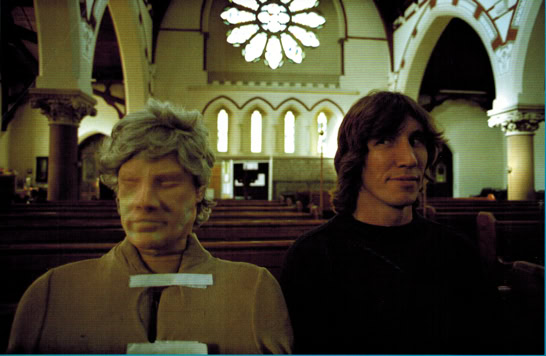
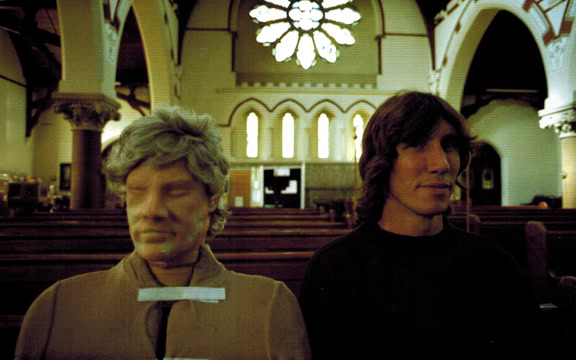
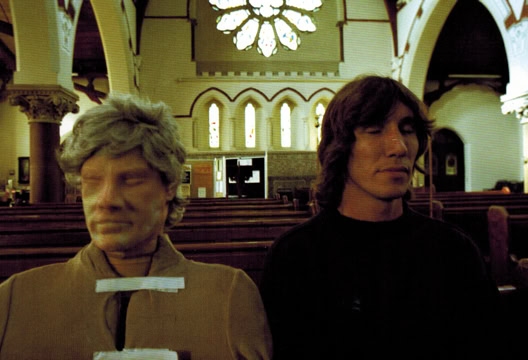
Roger Waters, Richmond Church
Hugo Zuccarelli:
« Well, after the project with Paul McCartney had failed, I lost the chance to work with other people because they were already involved with their own projects, but they offered me to contact Pink Floyd.
So I did and made them a demonstration of the holophonic sound, I placed the headphones to Roger Waters’ ears and he immediately pulled out a check and asked if I could start working the next day, I accepted, so they hired me for 10 days. When I looked at the check I did not understand the amount, it had many zeros, but I asked my friend if it was enough money and told me it was « Pretty much! »; it was about $ 40,000 sterlings for 10 days of recording. EMI told the band they had 10 days to finish the album, which at that point was the soundtrack for the film "The Wall".
In those 10 days, the album was not finished and they (Pink Floyd) said they were going to go on vacation (…) When they all got back from their holidays, EMI told them that « it was too late and had to make new material » and then decided to do what we know as « The Final Cut ». At that point, they told me "Hugo, we’re out of money, if you want to continue working with us, if you want to make the first use of holophonic recording on a Pink Floyd album you’ll have to work for free » I thought about it and finally decided to continue working with them. That was, I think, one of the biggest mistakes I made in my life, for two reasons:
1) I lost a year and a half recording with Pink Floyd, when in fact what a new technology needs is a company supporting the license and not a simple project.
2) The project gave me absolutely nothing in return, because the album was completely sabotaged by EMI. They haven’t told anyone that we were recording it with holophonic sound and also Pink Floyd decided not to record any music with it - I have wonderful masters (recorded with holophonic sound) with the London Symphony Orchestra conducted by Michael Kamen playing The Final Cut’s songs, but they decided not to use it ».
« Interview with Hugo Zucharelli », Diario Publicable, 2012
Gilmour:
« There's some of it on this album. We really didn't have the time or energy to really do it justice on this record, I don't think. It is a system that works best on headphones. It works best on the Sony, the little Walkman type headphones. It's good on other headphones, and it does work to a certain extent on speakers. The type of sound effects and things you hear on the record are very realistic, they sound better and more realistic because of it but you don't get all the things that you get with it on headphones (…) On some of the demonstration stuff that I've heard from it, on Walkman headphones, it's quite astounding »
« The Rise of Pink Floyd and the Decline of Syd Barrett », Guitar Heroes, May 1983
NOVEMBER - DECEMBER 1982
November 1982 Hipgnosis delivery hist last ever work for Led Zeppelin with « Coda ». The company will be disbanded just after.
Waters :
« The end came when we did « The Final Cut », and Dave said he didn't think the record was good enough, so I asked him if he had any songs. Well, he hadn't got any. He wanted me to shelve it for a year, so he could write some songs. I said, « C'mon Dave, you haven't written any songs for five years, what makes you think you're going to start writing songs now? ». I told him I'd release it as a solo record if they wanted, but they didn't want that either. That was the big bust-up really. There was so much rancor by the end of it ».
« The Man Behind Pink Floyd's The Wall », Greg Knot, 1999.
Gilmour:
« Roger wanted to do all the writing, he wanted to take over the whole thing. He would engineer moments to try and ensure that no one else got any writing »
« Dave Gilmour », Creem Magazine, February 1988.
Waters:
« I said: « Perhaps this should be a solo record. I'll pay you guys the money we've spent, and I'll make this a solo album». No, they didn't want that, because they know songs don't grow on trees. They wanted it to be a Floyd record »
« Pink Floyd, The Inside Story », Rolling Stone, November 1987.
Interviewer : « Dave has accused you of manipulating a situation with The Final Cut where the rest of the band couldn’t do any writing. How do you react to that?? »
Waters : « How could that be? How on earth could I possibly stop Dave Gilmour writing? What would I do? Go round to their house and when they pick up a guitar say, “Put that down”? The idea is absolutely ludicrous. It may be that within the context of the prolific nature of my own writing… I don’t know ».
« The Last Days of Pink Floyd », Uncut, June 2004.
Gilmour :
« He was just obsessed with the idea that I was being destructive and I didn't believe absolutely and completely in everything he did and said. But I'd say 'I'm sorry, man, I'm being constructive ».
« Pink Floyd – Tour de Force », The Guardian, June 1988.
Interviewer : « What were the contributions of Dave and Nick to « The Final Cut » ? Did they give them willingly? ?
Waters : « Oh absolutely. Nick played drums and Dave played guitars.»
Interviewer : « There have been reports that you took on session players in place of Dave and Nick ».
Waters : « Only on Two Suns in the Sunset. Andy Newmark played drums on that. Rhythmically, there are some 5/4 timings thrown in so the downbeat changes from bar to bar and it’s confusing for Nick. His brain doesn’t work that way. That’s why he didn’t play on “Mother” on The Wall. There are other session players on the record, but no guitar players».
Interviewer : « And then there were rumours that you and Dave were never actually in the studio at the same time.».
Waters : « That’s just not true. I have vivid memories of sitting in the back of the room playing Donkey Kong for hour after hour. After we’d got into it a bit, he didn’t come in very much ».
« The Last Days of Pink Floyd », Uncut, June 2004.
David and Roger … and Donkey Kong. Photography by James GUTHRIE.
A new situation appears to the end of the recording. The share of the credits become problematic.
Waters:
« The big argument was whether he’d be getting a production credit and a point off the top for producing the record. He didn’t produce it. He didn’t want it to be made. He was disinterested in the album. He didn’t get the production credit. He did, however, insist on taking the point off the top »
« The Last Days of Pink Floyd », Uncut, June 2004.
Gilmour:
« I said « you can take me off the credits, but I'm not going to pay you to produce it ». I thought he was wrong »
« Interview w/. David Gilmour », The Guardian, June 1988.
According Nick, Roger feels the producer systematically takes the defense of David. This will be one of factors beyond the will of Roger to dissolve the a year later. To counterbalance the weight given by the duo Gilmour and O'Rourke, he then approaches Mason
Waters :
« (...) When we did « The Final Cut », I asked her to stay with me to be part of my "gang" . He said ... « I want to go with Gilmour » ... At least he had the courage to tell me . I then said, « Ok if that's what you believe » ».
Cited in « A Saucerful of Secrets », Nicholas Schaffner, 1992.
Mason:
« Dave found himself particularly picked on during « The Final Cut », I found myself feeling that this was not fair »
« Pink Floyd, The Inside Story », Rolling Stone, November 1987
Waters:
« He (David) and I faced off about it, and Nick… I had this one telephone conversation with Nick about that. He said « I think you’re completely right about this, but I’m going to side with Dave cos that’s where my bread’s buttered ». Obviously I was a bit hurt because we were friends, but, I mean, if I’d got my way and the band had all disappeared and gone, that would have been probably pretty much the end of it for Nick in terms of rock’n’roll. He likes playing and he likes the attention and he likes the money and he got a lot more years – from 1984 or whenever we split up until 1994. That’s another 10 years and a lot of cash and a lot of attention »
« The Last Days of Pink Floyd », Uncut, June 2004.
Even if Hipgnosis was outvoted, Gerald Scarfe made a test version for the cover of « The Final Cut » but Roger rather ask to the Artful Rodgers Graphic Agency a project.
Willy Christie:
«David hadn’t been involved or consulted. I slightly found myself in the middle. It was a little ankwards as I’d been talking to Roger, but David’s a really good bloke, a genius. It was little «Oh, David, sorry I haven’t showed you. It’s not me, sort of thing»
«All equal in the end?», Prog Magazine, June 2018
According the « Rolling Stone » issue #378, the soundtrack of the movie will be out on november with maybe new songs
JANUARY 1983
MISCELLANOUS| Early January 1983. Roger Waters has commissioned Willie Christie to shoot a promo film as support to « The Final Cut ». Nick Mason was involved at the very beginning but the development is eventually held by Lack Simmons (a colleague of Christie from the advertising world) with the technical support of the advertising company Lewin and Matthews. Barry Matthews was chosen as producer and Steve O'Rourke was named executive producer.
Willie Christie:
«Looking at it with hindsight, I think it's pretty good. People weren't really making promos then. It was very early days - nobody quite knew what the score was. "The whole idea was to have
something modular so it could work as a whole, but be separated also. We talked in general terms of what 1t Was about and then he was very good - he left us alone»
«Haven't you heard, it's a battle of words», Prog, June 2018
FEBRUARY 1983
Gilmour:
« I started thing about (the solo album) and writing stuff in the early part of last year. I had one feverish burst of activity for about two or three weeks that saw most of the basis of what I did. I turned theme into proper demo tapes. I started recording the album in July »
« Gilmour’s solo effort doesn’t mean Pink Floyd’s demise », Baxter Bulletin, 13 April 1984
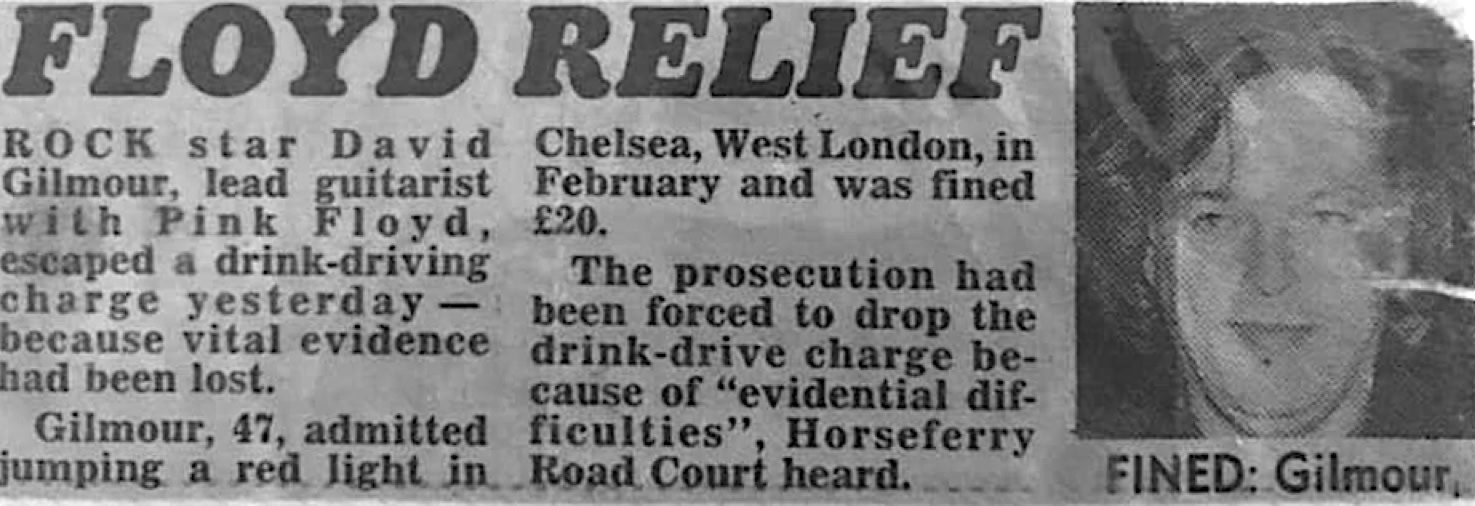
David Gilmour is arrested for jumping a red light. After this incident, he hired a driver. It was during one of his races that he noticed the Astoria boat this same year.
MARCH 1983
20 March 1983 « BAFTA Awards Ceremony », London, England. Roger Waters receives an award for the Best Movie Song with Another Brick in the Wall (part 2).
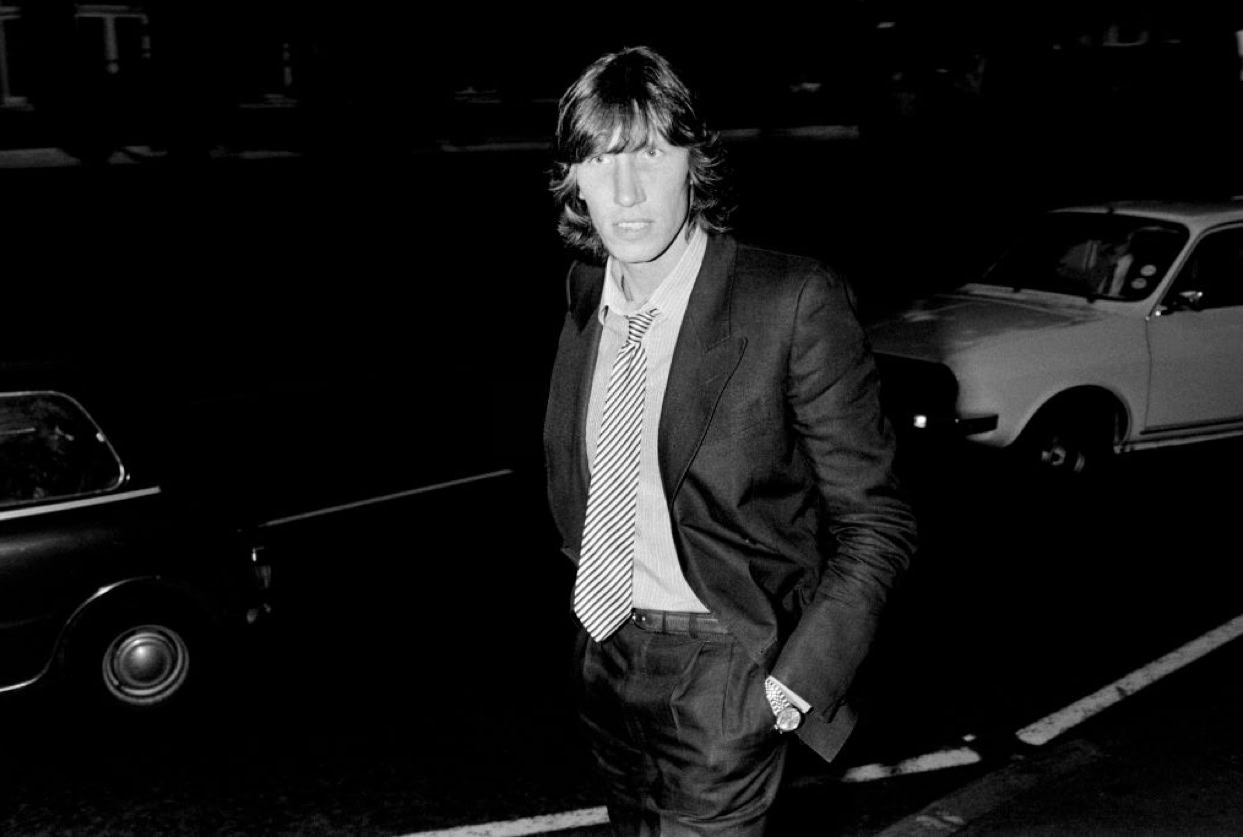
Photography of Roger arriving at the ceremony. Picture by Dave HOGAN.
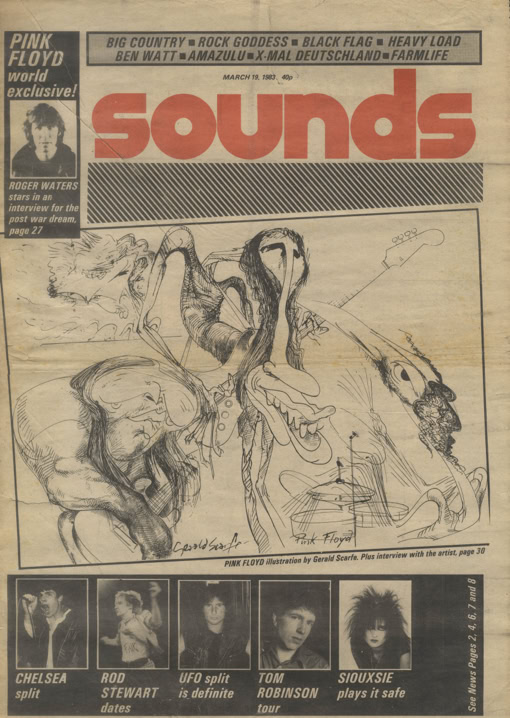
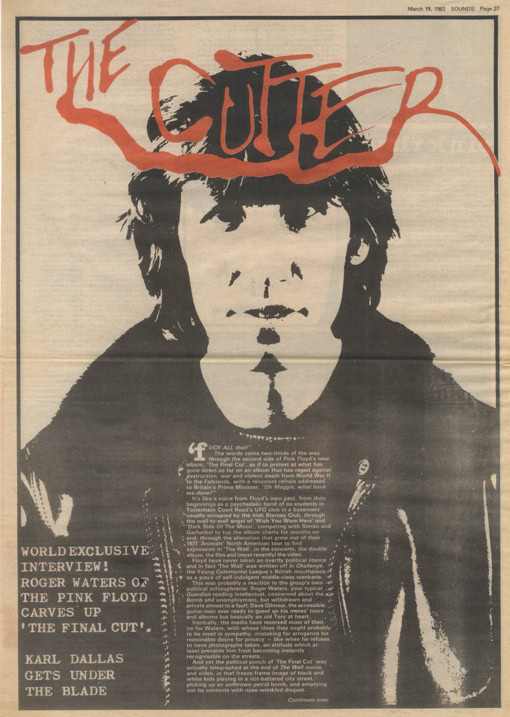
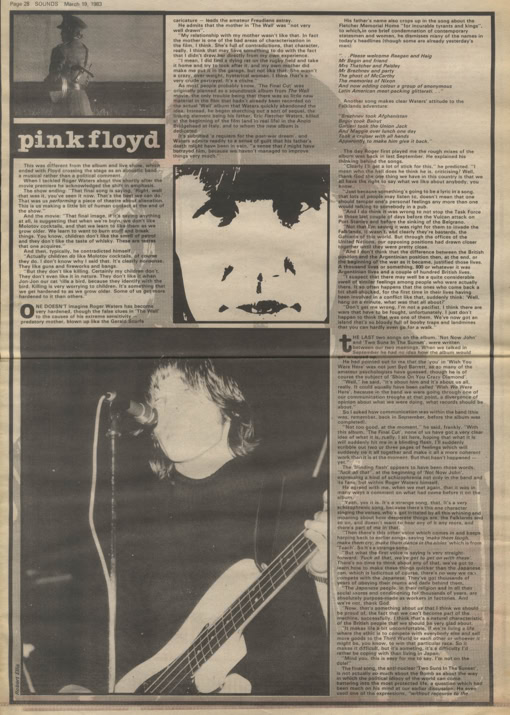
The 19 March issue of Sounds dedicated to the last LP.
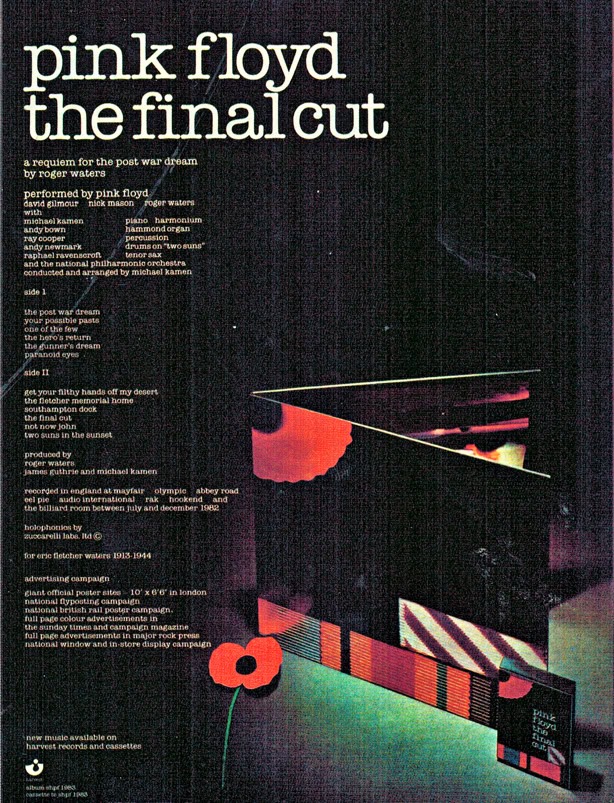
21 March 1983 « The Final Cut » is released in the UK. It reached No. 1 in the charts.
Mason :
« It was an aftermath to “The Wall”, at one time it was actually, “the Final Cut” was, the title meaning that it was “The final cut of The Wall” that it was going to contain a lot of old Wall material that hadn't made it onto the album or that was a sort of finale to “The Wall”. So the two albums are actually rather interconnected ».
« Shade of Pink», The Source, 1984.
Wright:
« I didn't like it, but I knew that I could be quite prejudiced about it, considering my situation. But I think that if you ask Dave or Nick (Mason) about it they don't think it's a very good album either. The thing is, during The Final Cut, the three of them had huge fights which culminated in Roger leaving the band. He had the misguided belief that he was the band, which is why his ego was shattered when Dave eventually decided to carry on without him»
« Broken China », Mick Blake, August 1996.
Gilmour:
«I got pushed out of contributing. It was Roger’s album. He simply made an album that’s not cery good. When it was being made, we knew it wasn’t very good. Worldwide, it didn’t even sell 3 million. For this band, that’s not very good (...) The final cut did real damage to the band»
«Rejuvenated Pink Floyd hits the road», Eugene Register-guard, 10 september 1987
23 March 1983 Press launch by Columbia Records at Madison Square Garden.
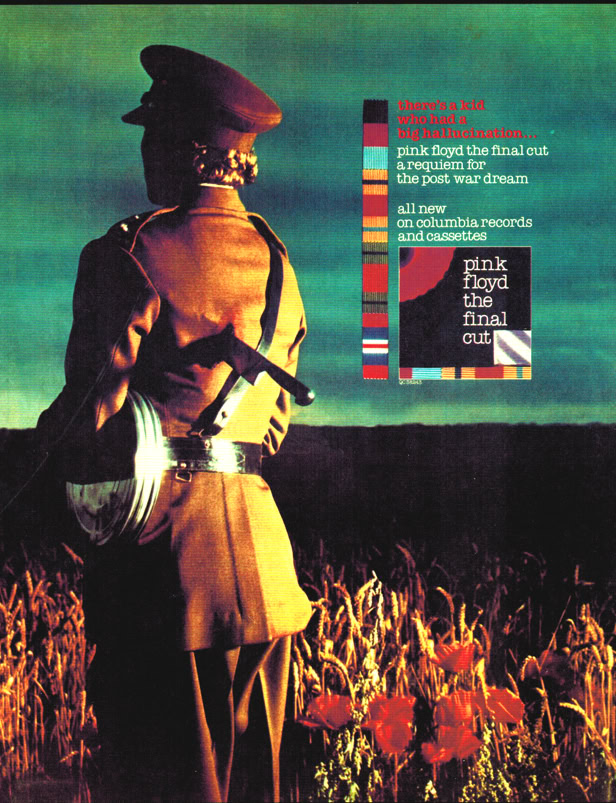
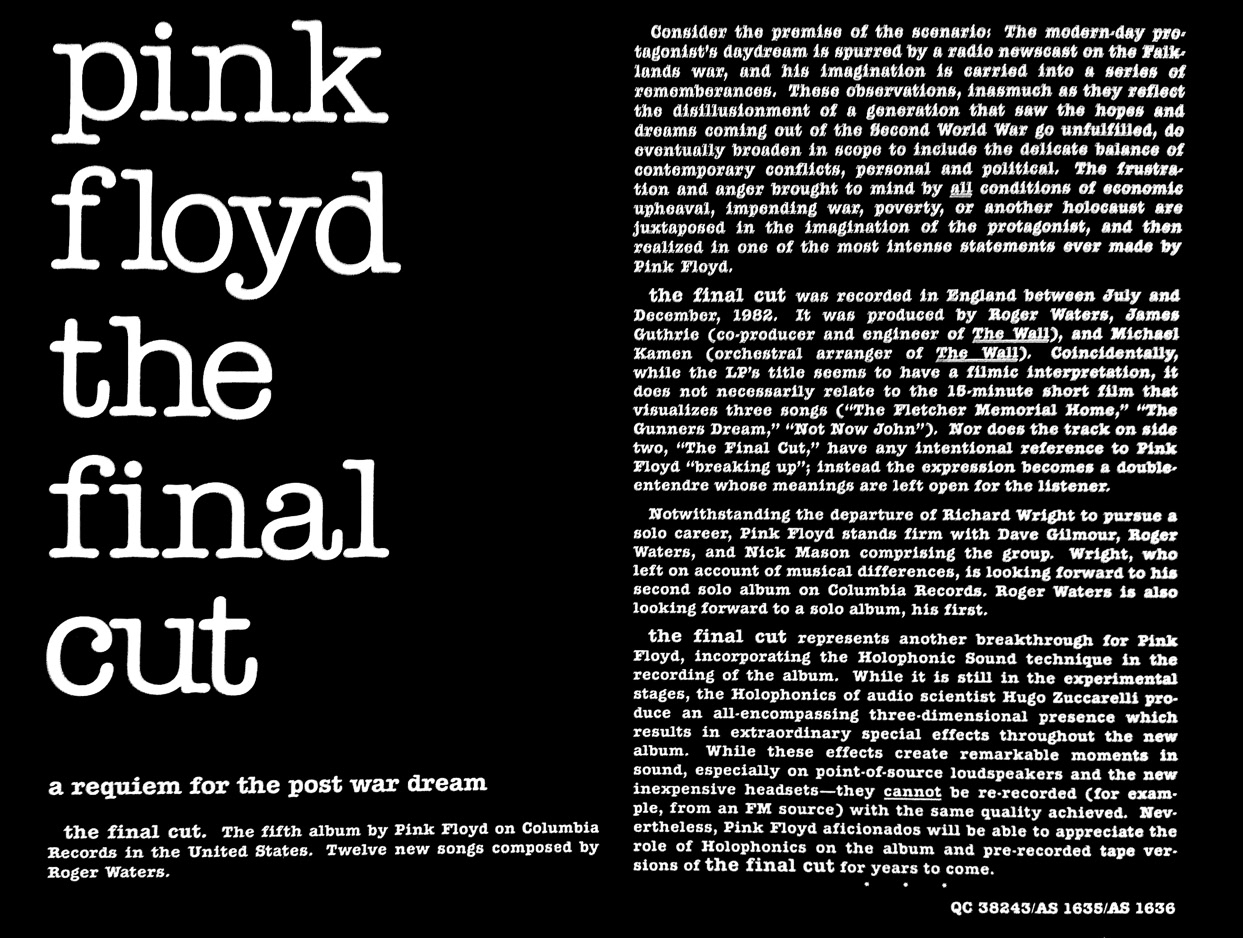
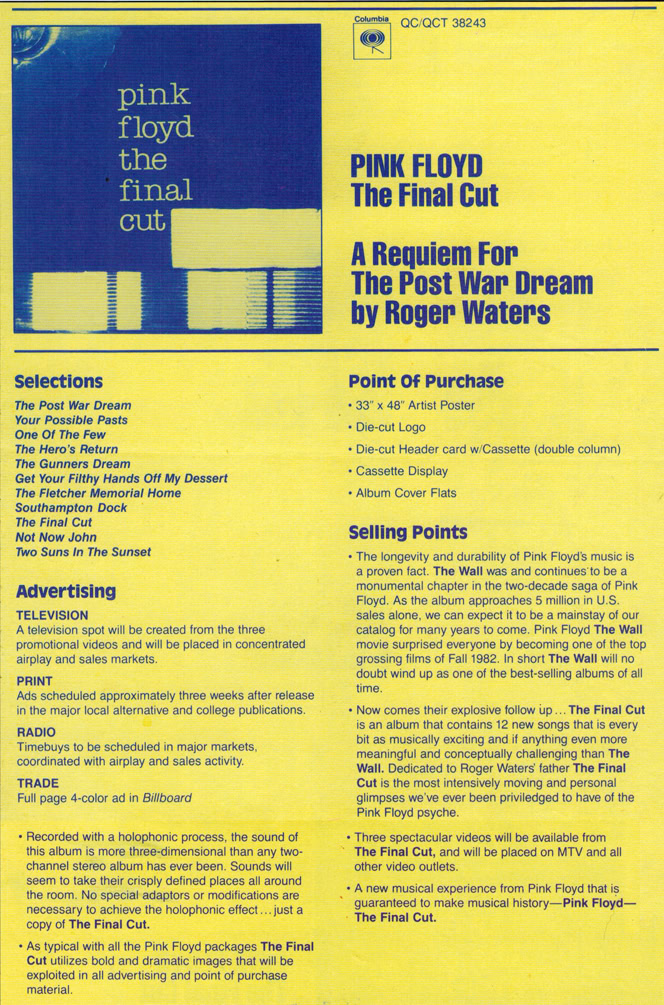
« The Final Cut » promotional press
Touring plans are being put in place by O’Rourke to support the release of the album. This tour, scheduled for November 1983, was to give Waters time to work on his first solo album (which will eventually be recorded from February to December 1983). But the deterioration of relationships within what is left of the band leads Waters to cancel any plans and think straight to their first solo album.
Gilmour:
« We did have a plan to try: it was all costed out - managers and people went away and told us where we could do it and what we could do it and what we could do and how much money we could make ... but Roger ... said "forget it!" ».
« Bricks in the Wall », Karl Dallas.
Waters:
« We were never going to tour, anyway. We might have done one gig for a TV simulcast, but I got involved with Pros and Cons and I thought I might well do something theatrical with it. I had a feeling at the time that I would try and organise it into theatre, I mean small theatre, rather than big rock theatre, but in the end, maybe because I feel confident about doing rock theatre, and also because Eric was pushing me to go on the road, I decided to go the Earls Court/Westfallen Halle route.”
«Brick in the Wall», Kerrang Magazine, May 1984
Interviewer : « Y aura-t-il des concerts après la sortie de l’album ? »
Waters : « Je n’en sais rien. En tout cas plus « The Wall ». J’ai du mal à supporter cette simple idée. Mais on ne sait jamais. Nous n’en serons pas certains avant quelques années, et alors nous saurons si la machinerie est rouillée. Si tu n’as pas revu « The Wall » d’ici cinq ans, alors tu ne le verras plus – tout aura été volé ou rouillé, le carton sera détrempé. Je n’ai pas envie de le refaire mais je suis heureux d’y avoir participé ».
« La solution finale », Rock’n Folk, Avril 1983.
David Gilmour is seen many times in the Londonian’s pub The Bridgehouse jamming with Phil May, Hugh Lloyd-Langhton, Ian Stuart and Willie Wilson
31 March, on MTV David Gilmour says for the first time he’s thinking to release a solo album.
APRIL 1983
2 April 1983 « The Final Cut » was released in the US, where it reached No. 6 in the charts.
« Pink Floyd are to tour again later this year. . . and they will release a follow-up. to 'The Wall' in the Spring Their decision to go on the road again has k&ed off rumors that the group would split.
But keyboard player Rick Wright has quit the group to start a solo career. The remaining members Dave Gilmour. Nick Mason and Roger Waters are hoping to arrange live British dates before the end of the year," a spokesman said this week. It stiff isn't known if the group wifi appoint another keyboard player to replace Wright. The group's new album is called « The Final Cut » — which yet again hints at an eventual split — and comes out on March 21 »
« Floyd cut Loose », 6 February 1983
Interviewer: « Tu ressens toujours le besoin de jouer en public ? »
Roger Waters: « J’aimerais jouer « The Final cut » live, oui. Je pense que nous le ferons, peut-être vers octobre ou novembre »
« Exclusif: Roger Waters défend le dernier Pink Floyd », Guitare, 1983
MAY 1983
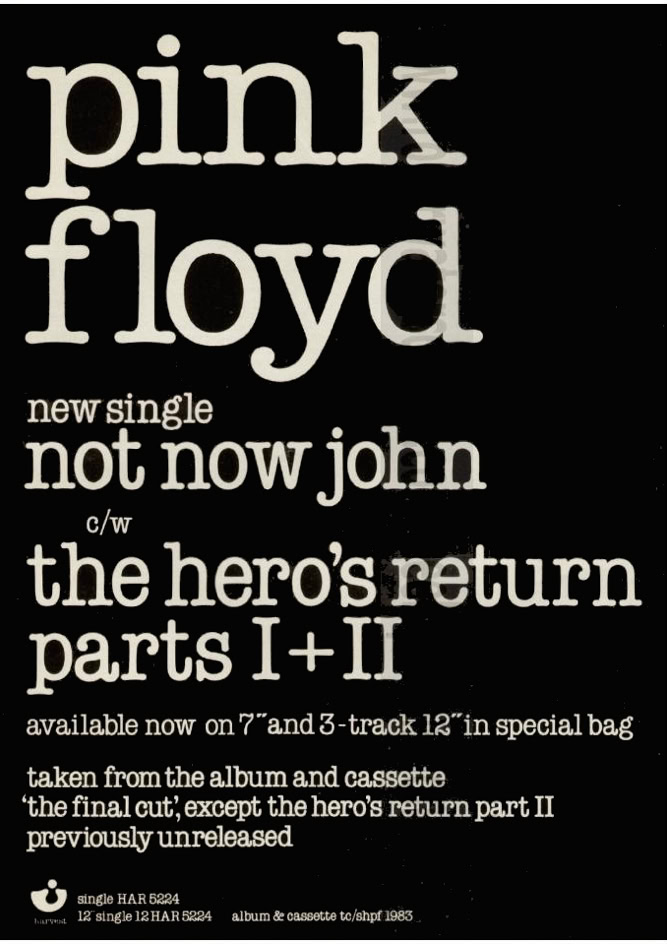
3 May 1983 Not Now John (B-side: The Hero's Return, Parts 1 & 2 was released as a single in the UK. It reached No. 30 in the charts.
JUNE 1983
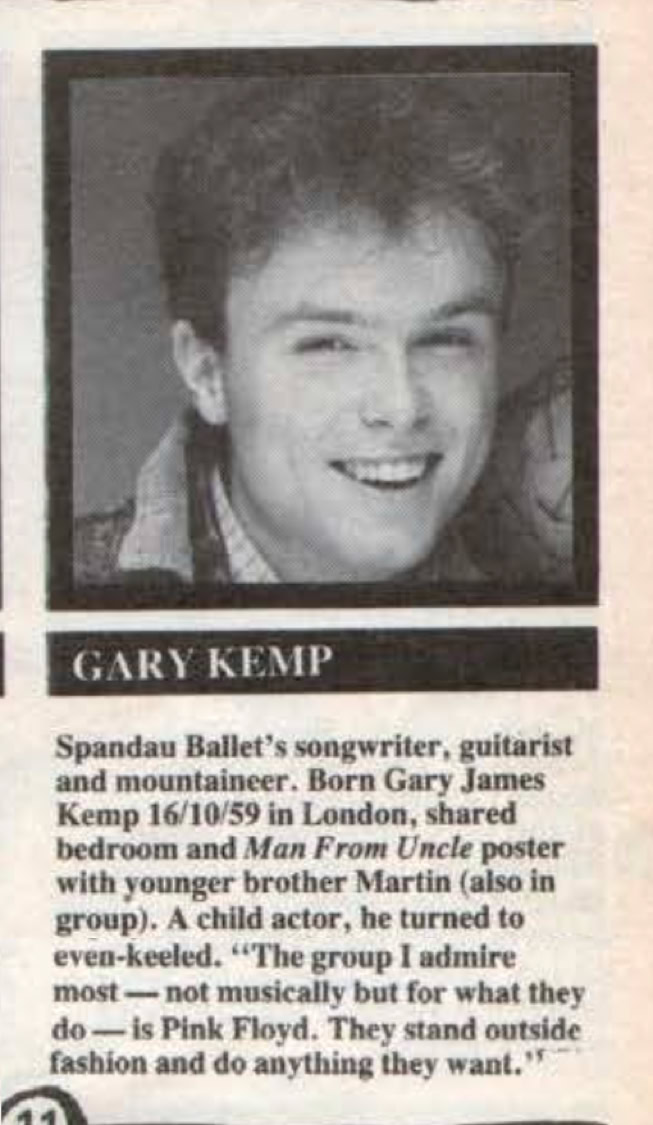
23 June, in the last issue of « Smash Hits » magazine, Spandau Ballet’s Gary Kemp when asked about his favorites bands cites Pink Floyd.
« The group I admire most is Pink Floyd. They stand outside fashion and do anything they want »