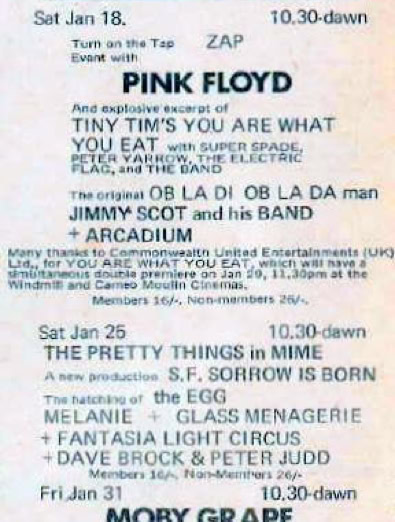
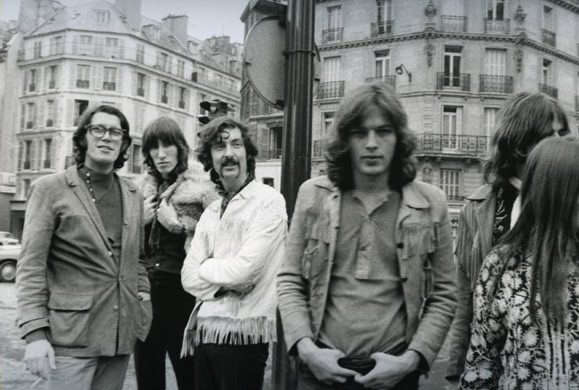
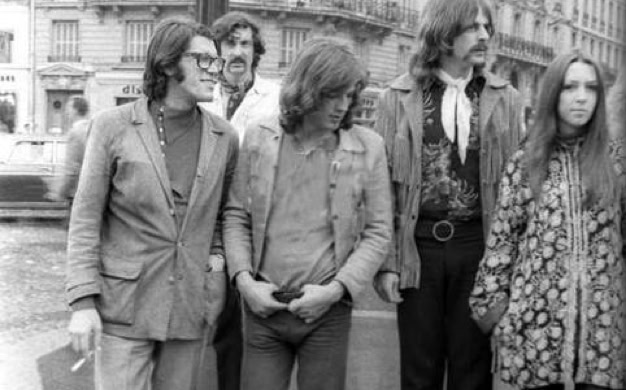
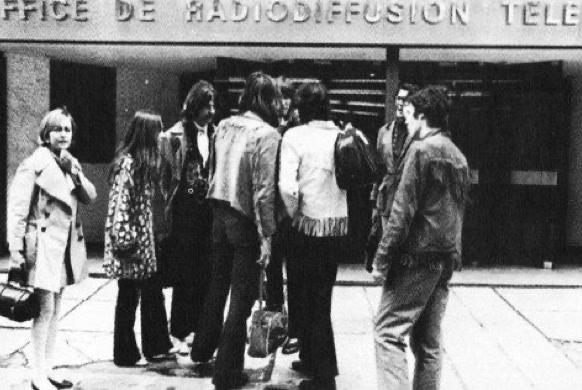
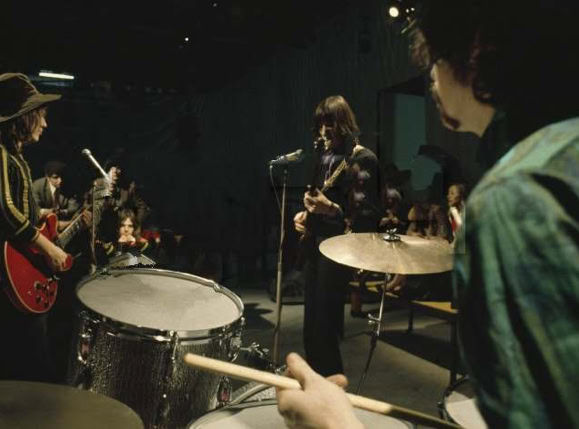
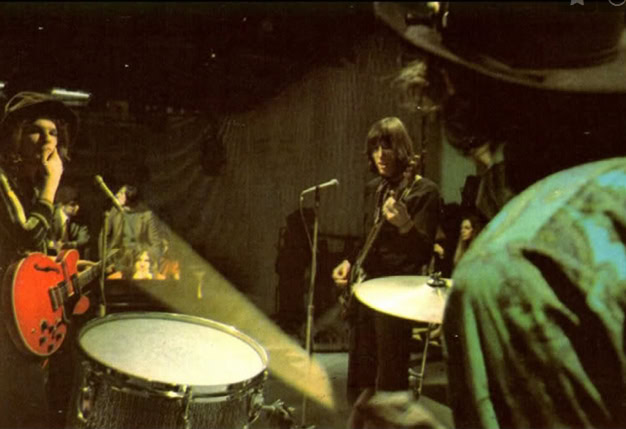
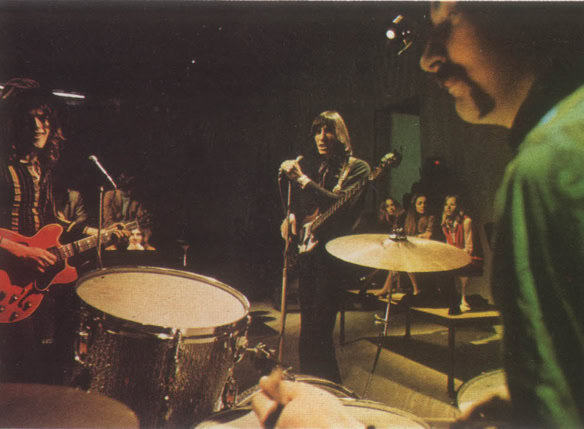
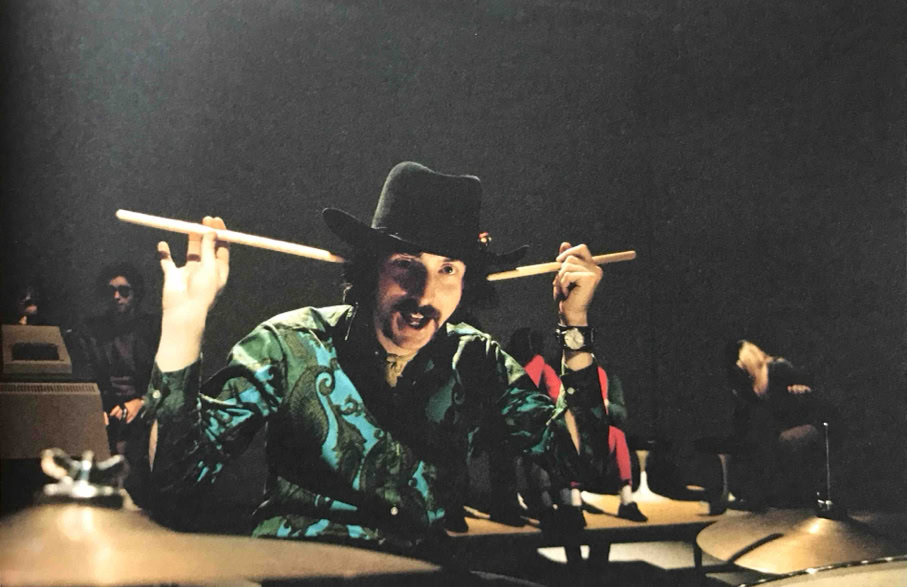
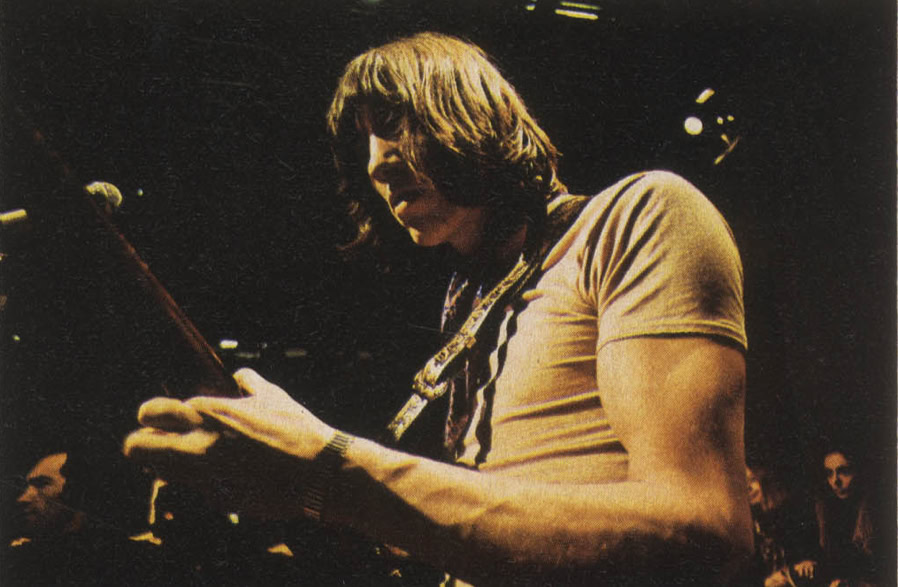
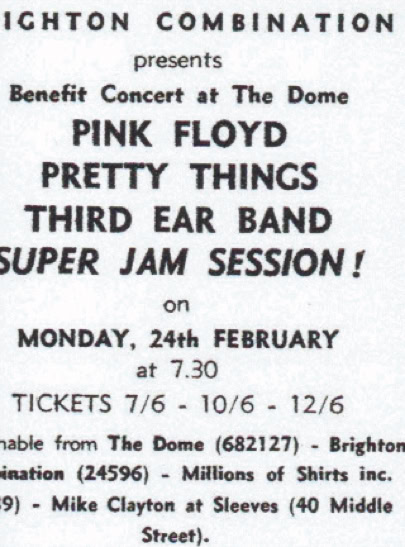
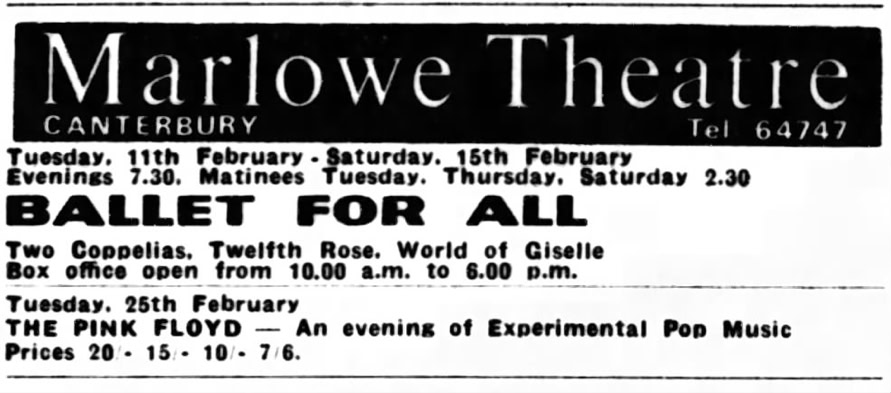
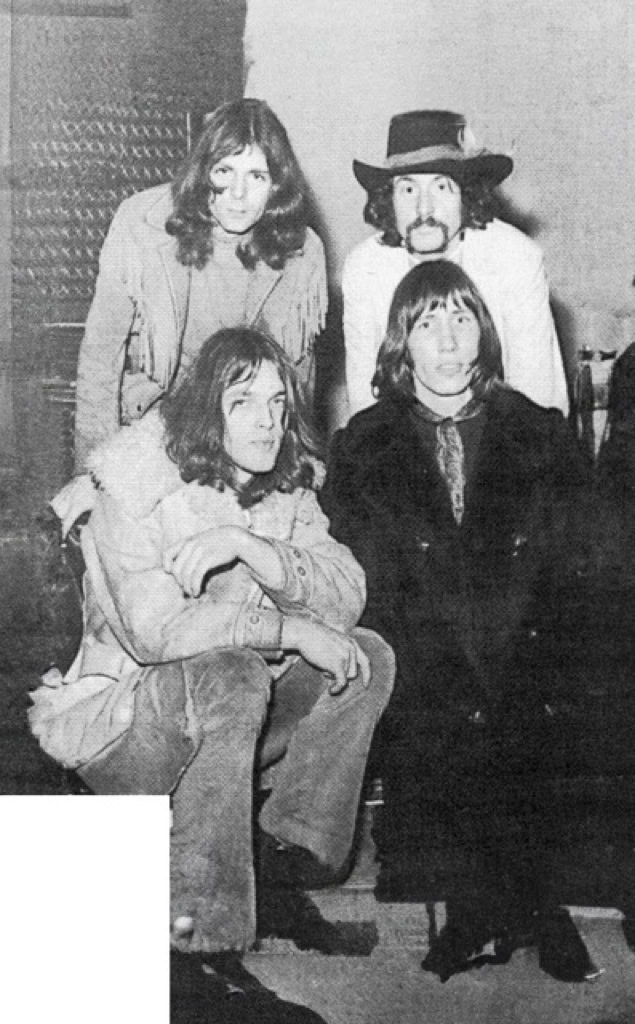
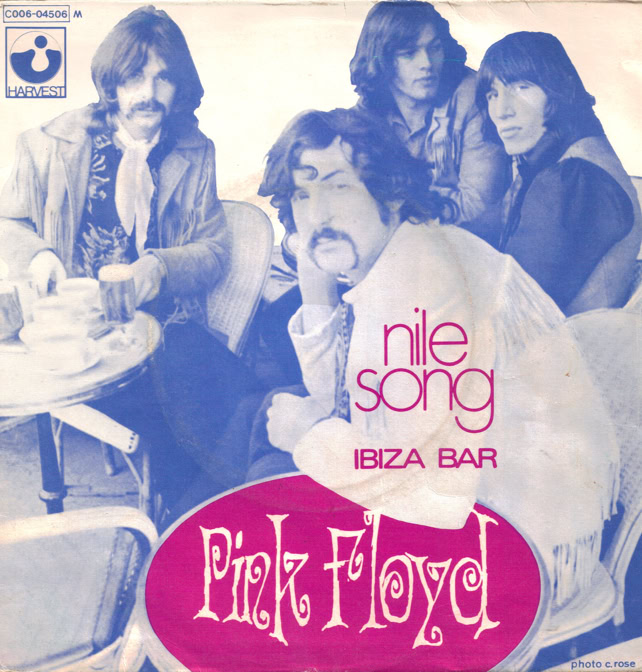
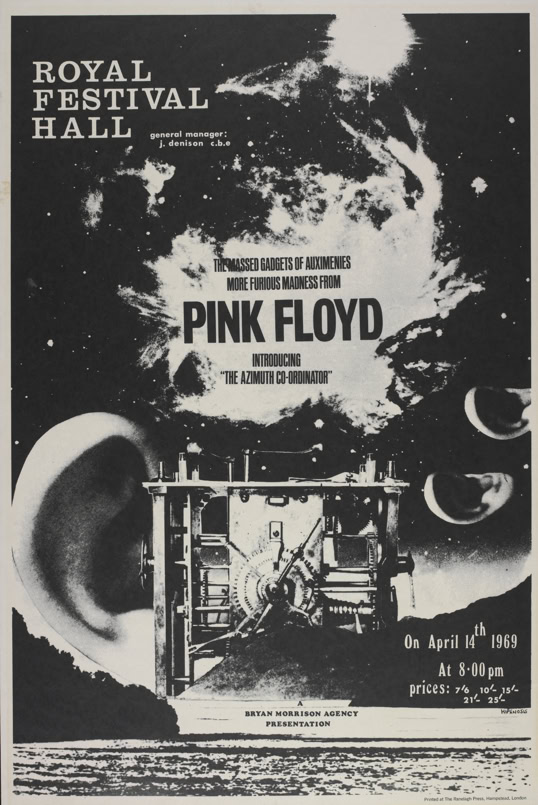
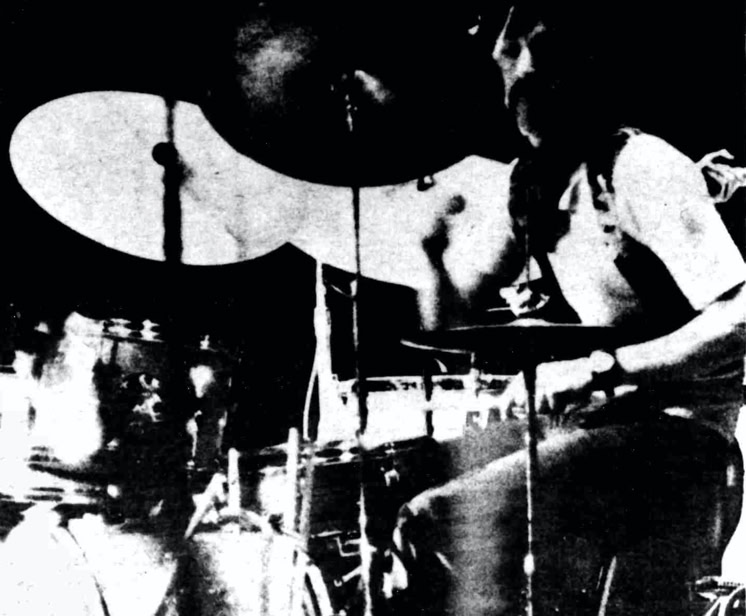
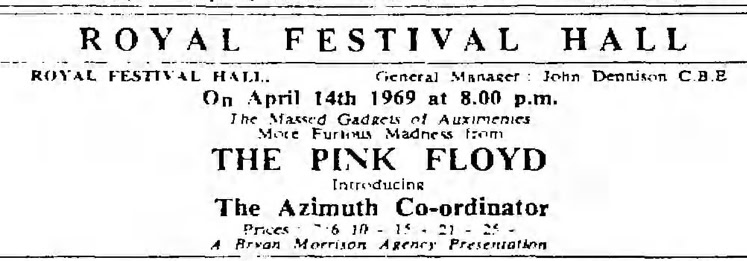
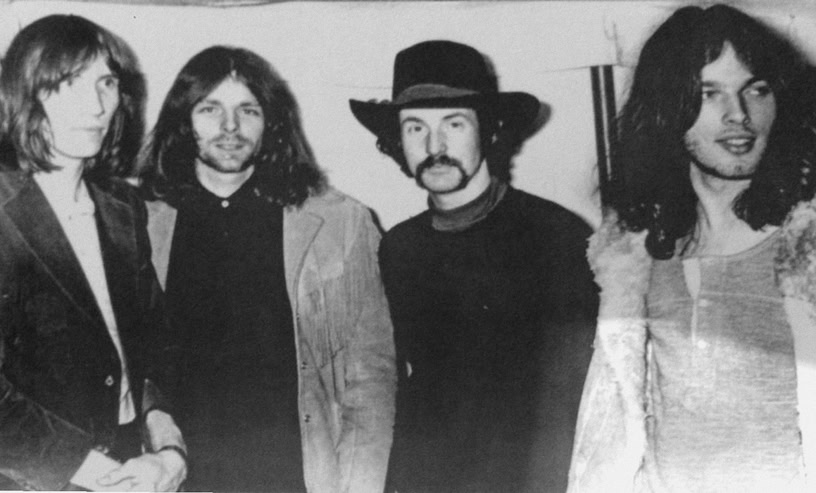
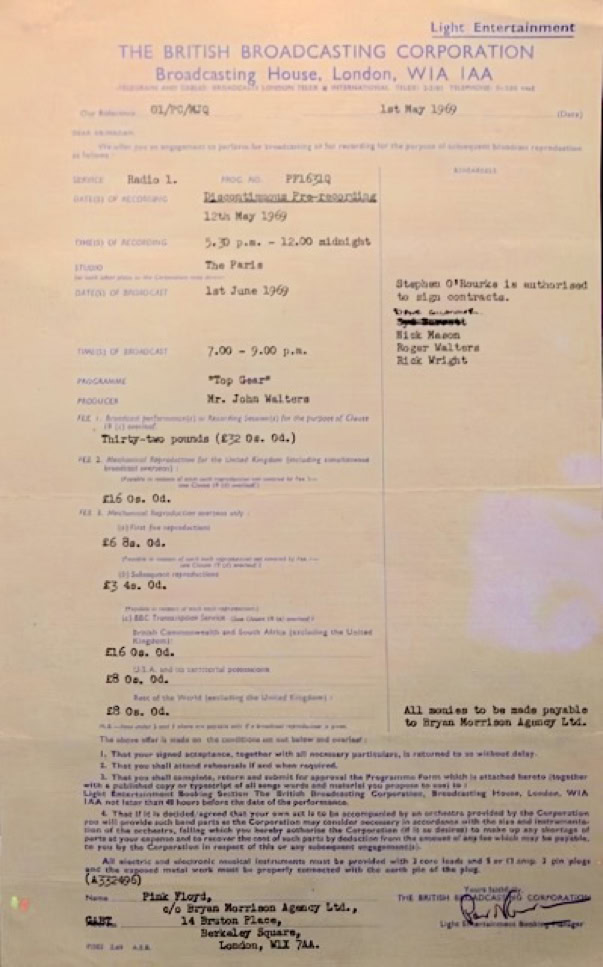
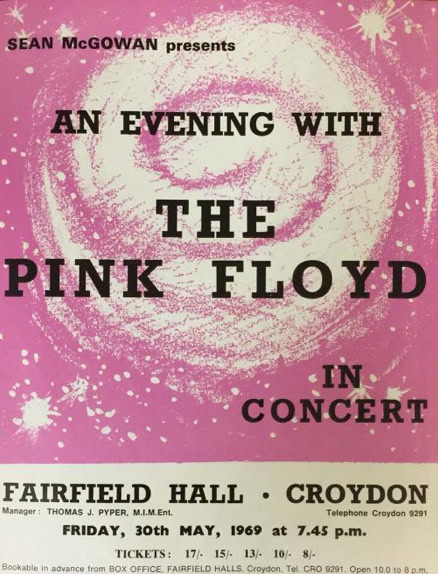
«The Pink Floyd gave a remarkable concert recently at the Royal Festival Hall. They had written an opera-oratorio called The Journey, which, together with a prologue titled ‘Man,’ they are now taking on tour throughout England. Disorganized and slapdash, it might easily have been written off ag the incoherent mumbo-jumbo of a group of sparkler-waving trendies. Fortunately, the idea which had inspired this adventure into sound was sufficiently startling so that even an indifferent performance could not diminish its power. A storm of electric violence was unleashed on an unsuspecting, trustful and finally amazed audience. It seemed as if the Festival Hall had rocked and rolled to a new age of music-making.
The story, like that of much opera, is confusing, irrelevant and banal. A man awakes, works, sleeps, suffers the most awesome nightmare and awakes again—full of that strange hope that has persecuted him from the very first time he awoke. The story is then retold in a series of allegorical dreams. Man is lost in a labyrinth, is beset by the creatures of the deep, beholds the temples of light and sinks into a semi-mystical reverie which he knows is only an illusion.
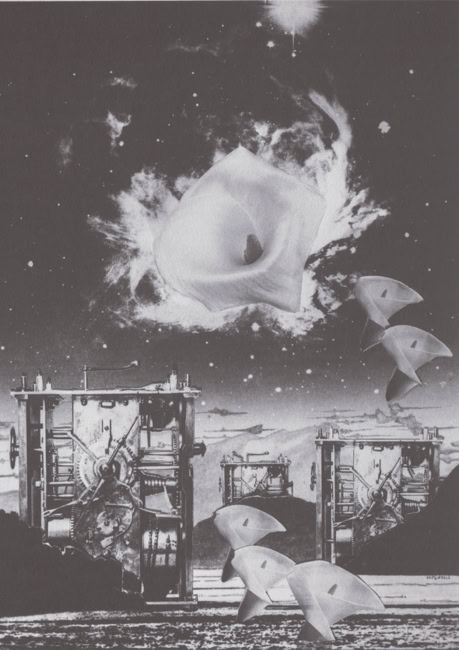
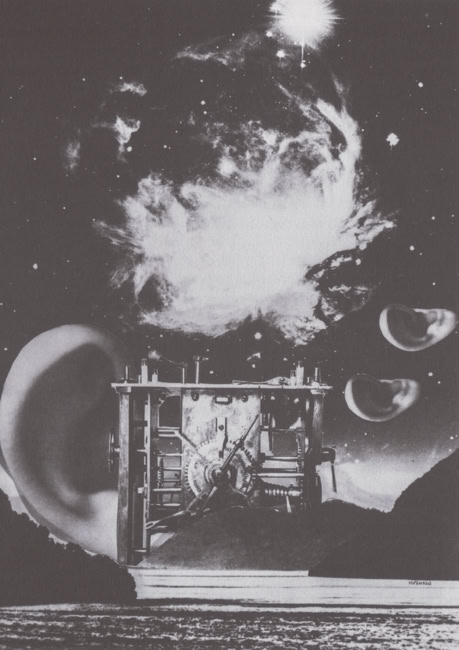
But, he asks, what alternative does he have ? The story is cruel and paranoic and laced with despair. It is the method by which this despair is translated into sound that jangles the imagination, The work begins with the simplest of songs—almost folk song. quiet, unassuming, delicate, distant, apologetic. The singer tells of the strange moments between night and daybreak, shadow moments when the witches and evil spirits sorry away into the heflholes from where they came. Almost imperceptibly, we hear a wind and a sighing: the sound seems to be all around us. As the sun comes up, the noise increases in fever, swinging from side to side ia the concert hall.
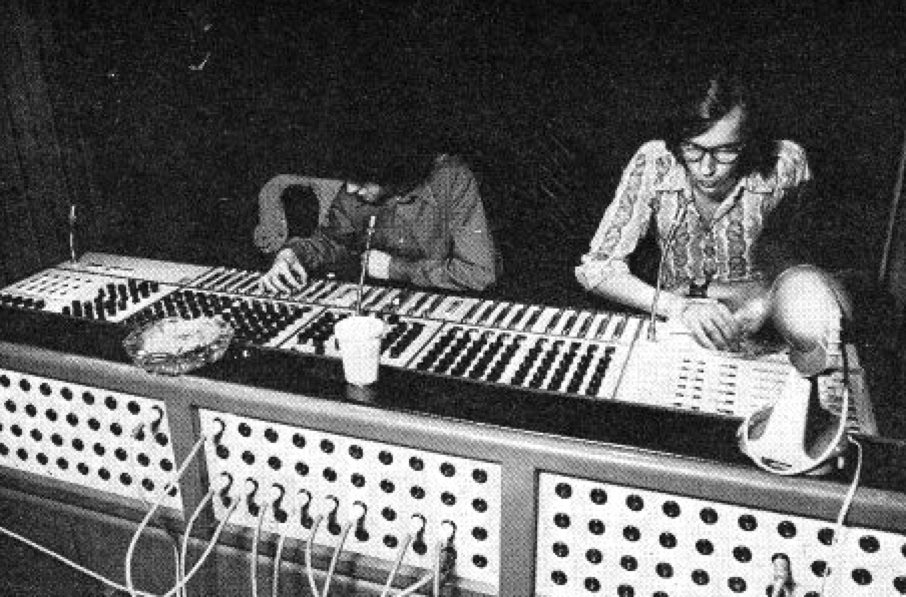
One’s ears become monstrous organs; ane ceases to notice what is happening on the stage. One is desperately trying to escape from the anguished screams which seem to be coming from the man next door, under the seat, the ceiling, the mind itself. Suddenly the full force of electronic guitars and ai tremendous battery of drums, grasping, arrogant, harsh and overwhelming, smashes one’s remaining sensibilities into a pulp. Then—almost imperceptibly— the sounds gradually recede into a distance that has no perspective, no source of origin, that has no focus and no definition. The mind is bewildered and uncomprehending. It has suffered an unmistakable terror, has been caught off its guard and led into a wonderland of vivid, painful sound pictures. The technique employed to achieve this effect is simple. The group has devised a seven-way stereo system into which all kinds of sound can be fed live performance, pre-recorded music, sound effects, feed-back — and then transmitted to multiple speakers placed strategically around the concert hall. The total noise Is swung relentlessly from one speaker to another, quickly increasing and diminishing in volume. Of course it is all instant, tatty and }insubstantial as Art. Of course it would not stand up to close scrutiny. But who could have failed to have been startled by the successful moments of this galactic explosion ? At the end, for example, a chorale, which had begun from the simplest of chord progressions, is pitched against the full _ paraphernalia of stereophonic excitement, punctuated by gongs, bells and cannon bursting in every direction, and dominated by the grand organ, building sound cluster upon sound cluster. After this there was about two minutes’ total silence. Everyone looked embarrassed, not sure what to do. But we had also been moved.
«Pop by Tony Palmer - A galactic uproar», The Observer, 1st june 1969
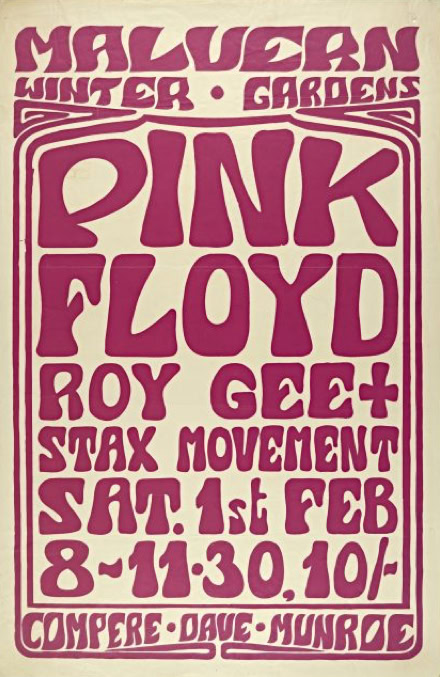
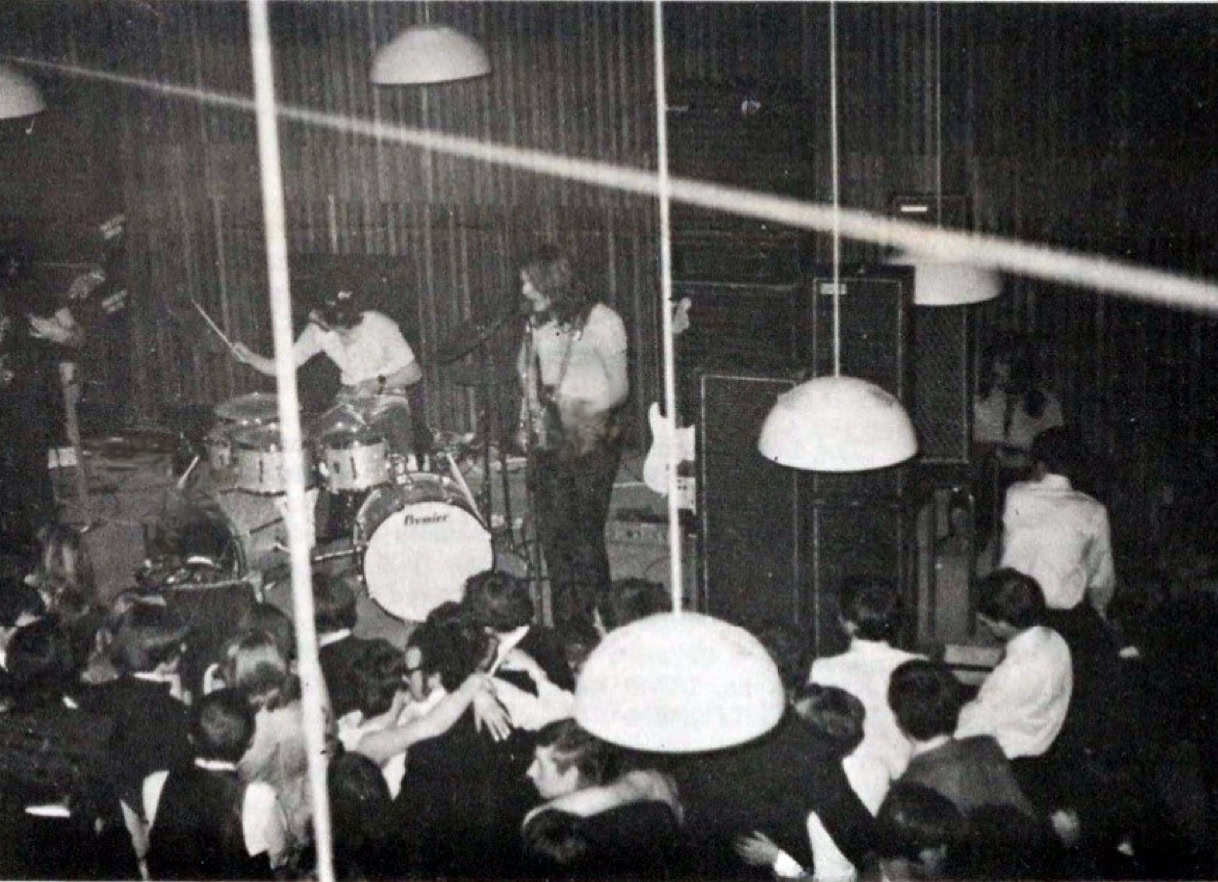
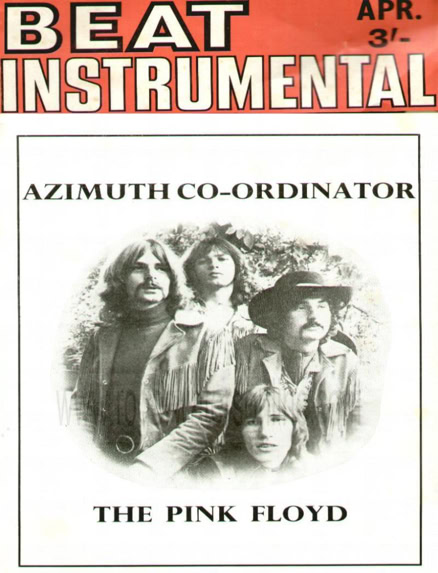
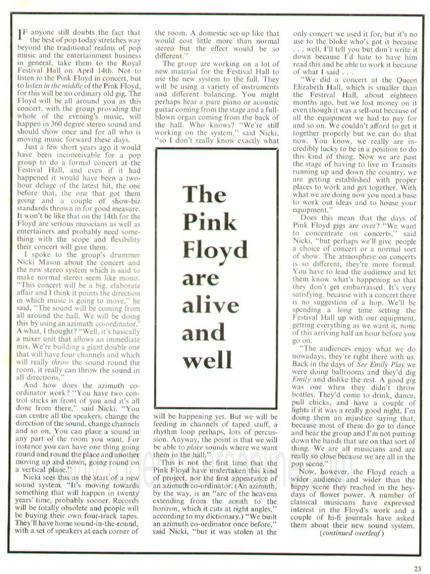
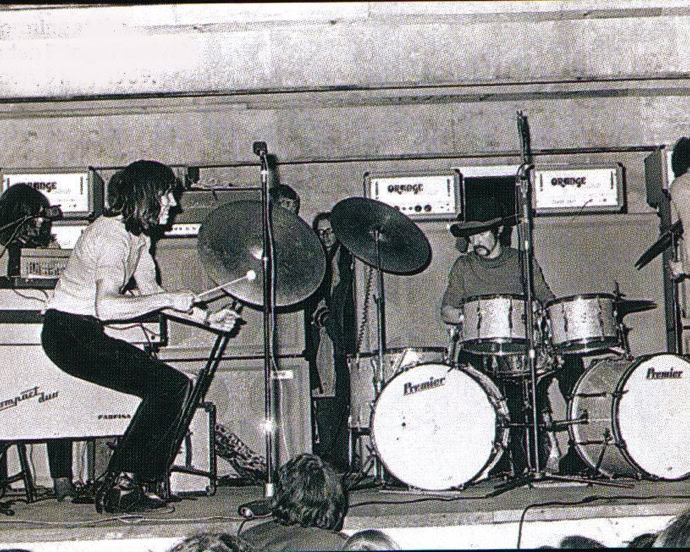
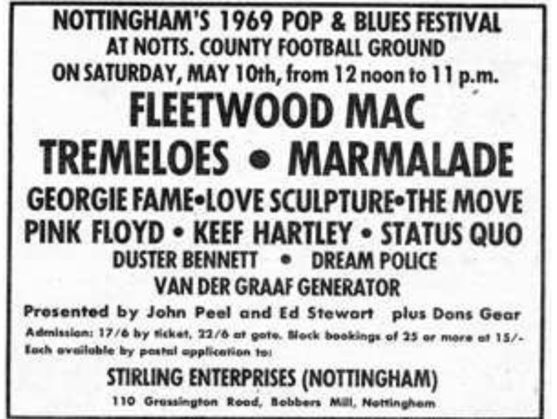
«Undoubtedly the major event of the pop music world last week was the concert given by the Pink Floyd at the Royal Festival Hall. The group, who have firmly established themselves as one of the principal innovating influences on the progressive side of pop music, gave a three-hour performance of sounds and miscellaneous musical items, introducing to the public their latest sonic toy known as the Azimuth Co-ordinator. This they did. Alternately bombarding the audience with hysterical cataclysms of sound and soothing their shattered ears with gentle, semi-mystical melodies they filled the evening with a constantly-changing compendium of musical moods. British pop music fans have come to regard the Pink Floyd almost at father-figures of the present scene and their occasional appearances are keenly followed by the vast core of post-bubble gum fans.
All tickets for the concert were sold only days after the original announcement, several months ago. The group, three of whom live la Chelsea, have aa un of horror story add science fiction about them. Their best-known numbers, for ex-ample Interstellar Overdrive, Saucerful of Secrets, Behold the Temples of Light and Astronomy Domine, conjure visions of sea monsters, whirling planets and strange witchcraft. Pink Floyd sprang from obscurity in 1967 with the original U.F.O. club in Tottenham Court Road, just as American “psychedelia" was beginning to make its influence felt in England. The group managed to adapt the obviously drug-influenced noise anarchy of the new music to their own highly individual style.
«Sweet discord from the Pink Floyd », Kensington Post, 25 April 1969