The photographs displayed on this page were meticulously identified to correspond to the exact date and the name of the source the time they were captured. However, errors may occasionally occur. If you notice any discrepancies or inaccuracies in the dates or other details, please let us know by sending an email here.
Your feedback is invaluable to me, and we will acknowledge your contribution by citing you as a contributor.
- 0entries indexed on -
MISCELLANOUS | January 1978. Roger Waters produce a first tape by organizing his demos under the title «Bricks in the wall» (the tracklist is available on this page).
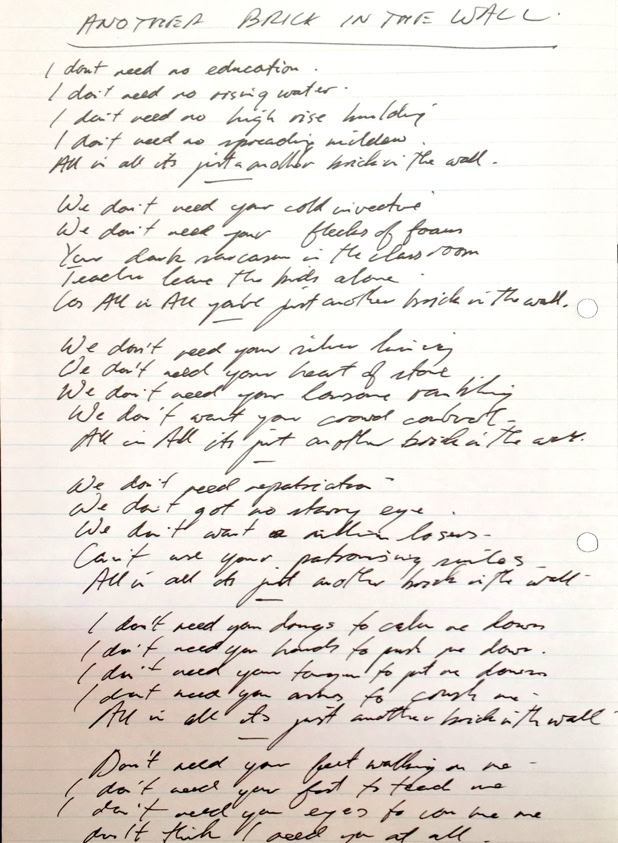
Original Lyrics for « Bricks in the Wall » demo.
RECORDING SESSION | January 1978 The French Rock magazine « Rock & Folk » announces a third album of Syd Barrett produced by David Gilmour for 1979!
« Télégrammes », Rock & Folk, January 1978
RECORDING SESSION | January 1978, recording sessions for the first solo album of David Gilmour in the south of France.
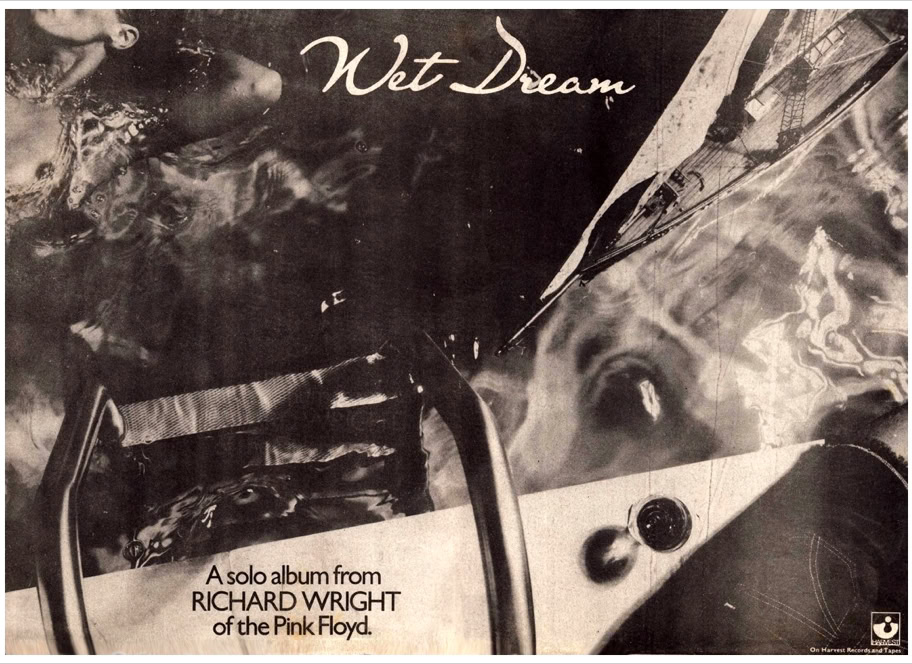
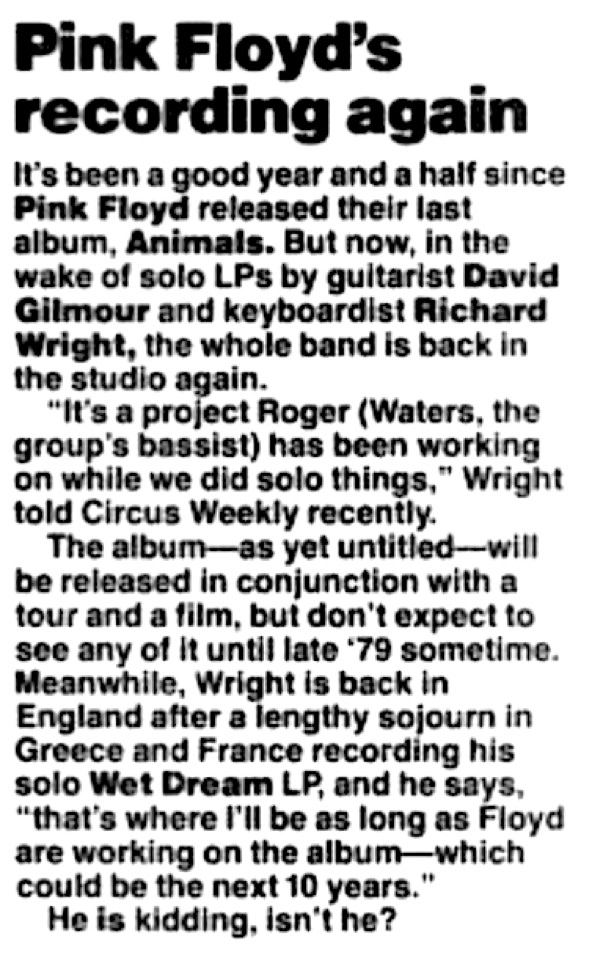
RECORDING SESSION | 10 January 1978 Rick Wright begins the recording for «Wet Dream» at SuperBear Studios, Nice, France
Interviewer: «You played on Rick’s solo album «Wet Dream» right after that»
Snowy White: «Yeah. That was nice. Rick was a lovely guy, actually. He was very gentle and I think Roger was occasionally quite fierce with him (…) It was down in the South of France. We went down for a couple of weeks. I liked Rick. It was nice to work with him. I felt that he used me because he was familiar with me as a person and guitar player. It was his first solo album and he was slightly nervous about how it was going to work out, so he wanted people there that he knew. It was a nice experience»
« Guitarist Snowy White on His Years With Pink Floyd, Roger Waters, and Thin Lizzy », Rolling Stone Website, 18 November 2020.
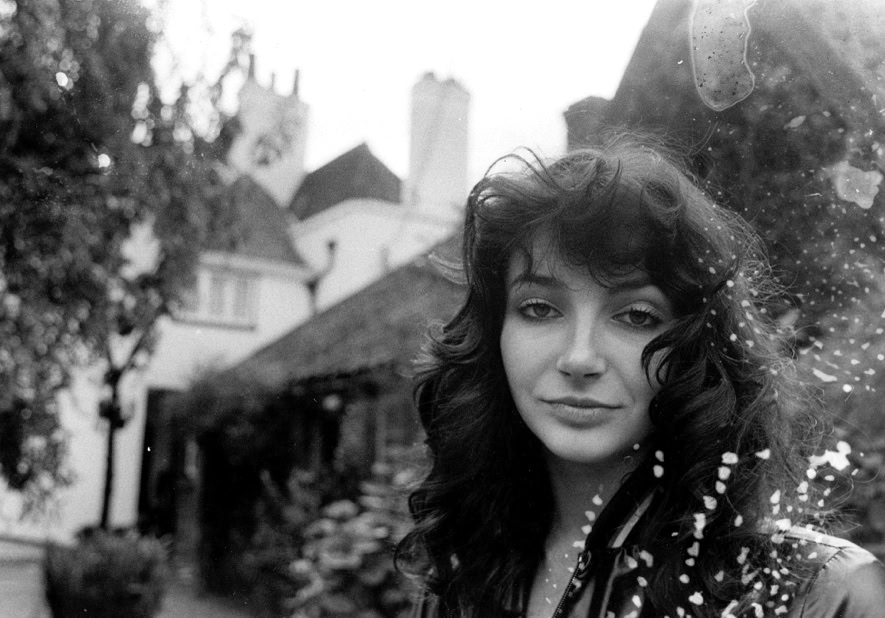
RECORD RELEASE | 17 February, UK release of the first Kate Bush album «The Kick Inside» whom two tracks are produced by David Gilmour.
Kate Bush:
«He was looking around for struggling young artists at the time, and I happened to be one. He paid for a demo of two songs and took it round to Capitol and got it sold for me»
Circus Magazine, 1978
Gilmour:
«I met her through a friend of mine whose name was Ricky Hopper. I dunno, I think he lives in Canterbury, so I’m told. I haven’t seen him for very many years, but he was friendly with Kate’s brother, and he said, ‘You must listen to this tape of this girl. She’s brilliant.’ So I listened to the tape of the girl and she was brilliant. We spent a bit of time working on what the best way of moving her forward, or getting her what she wanted, which was to make records, and made some demos--proper ones. I mean, we didn’t make them as demos. We made proper master recordings of three tracks which we then played to EMI who said they would like to sign her, and did»
«Pop On The Line», BBC, November 22, 1998
MISCELLANOUS | 15 April 1978 Nick Mason plays on the new Steve Hillage album
Nick Mason:
« He played the demo tracks for us and we thought it best he record it as a solo album. I suppose if we'd said 'Oh please, please Roger, can we record it?', we probably would have, but it was something he had to get off his chest and I'm glad he did, even if (the LP) hasn't been commercially successful ».
«A Collection Of Great Dance Songs (An A-Z of Solo Tracks) »,The Amazing Pudding 57.
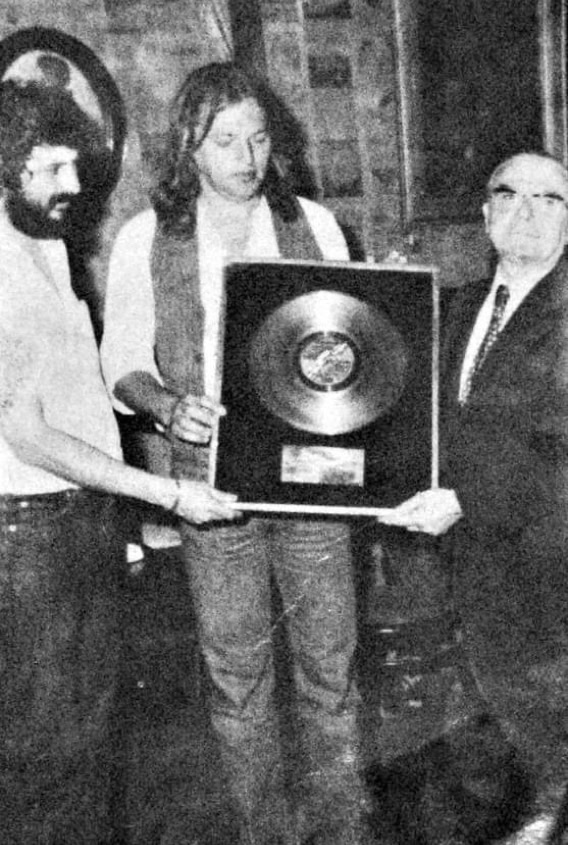
MISCELLANOUS | 2 May 1978, Gilmour receives a Gold Disc for the sales of «Wish you were here» in Greece.
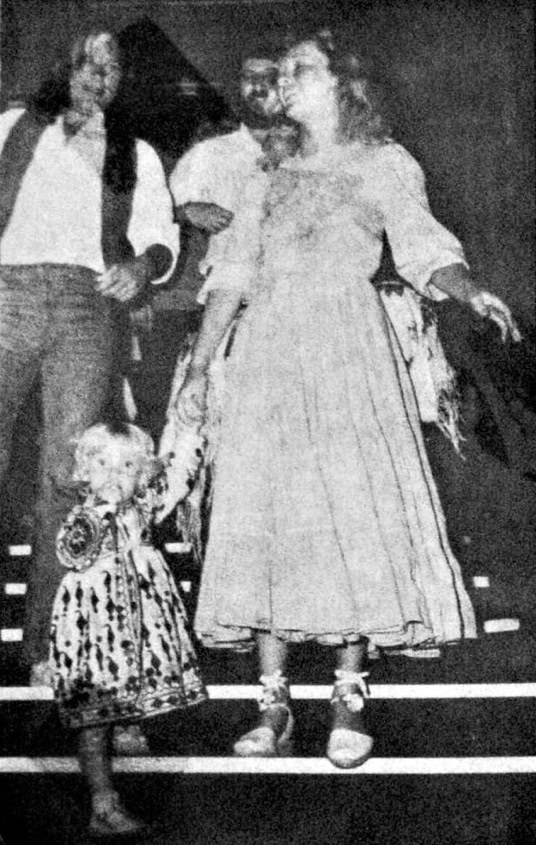
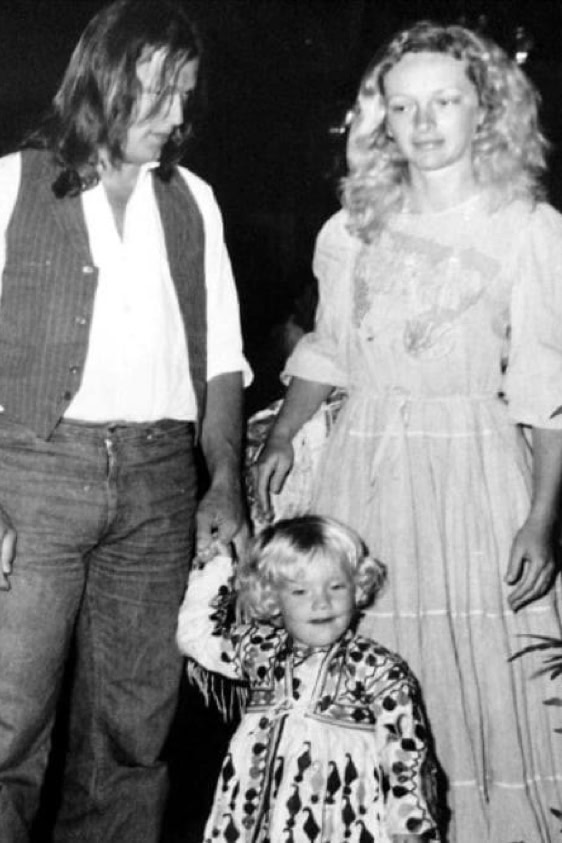
David with his wife Ginger and his daughter Alice. On the right picture: Theodore Sarantis, EMI international repertoire manager and Basil Toubakaris, EMI managing director.
As a follow-up to Pink Floyd Week, held throughout Greece by Emi and backed by massive promotion, group member Dave Gilmour flew to Athens to collect a gold disk for sales of 50,000 of Wish You Were Here, the first rock album to hit that figure in the Greek Market EMI Greece Communiqué.
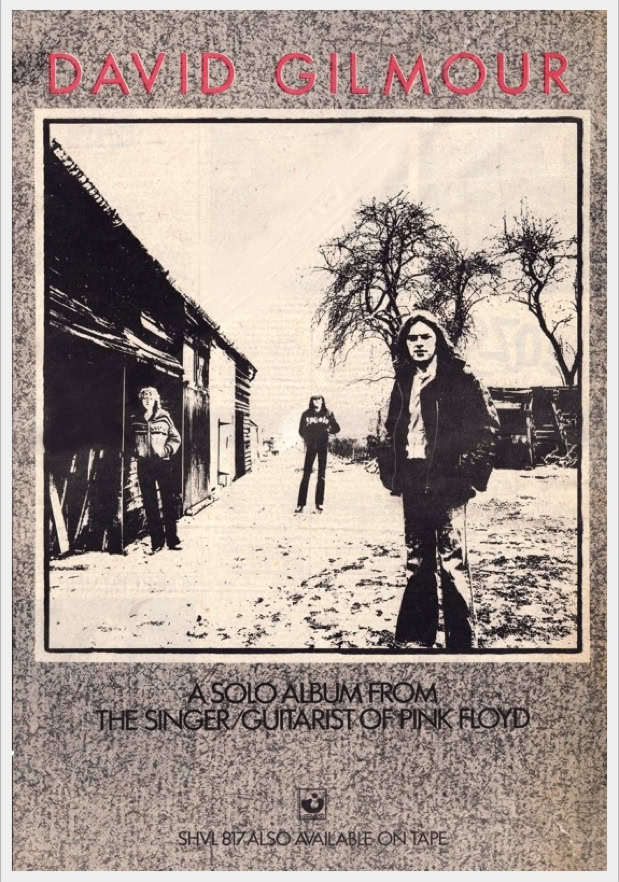
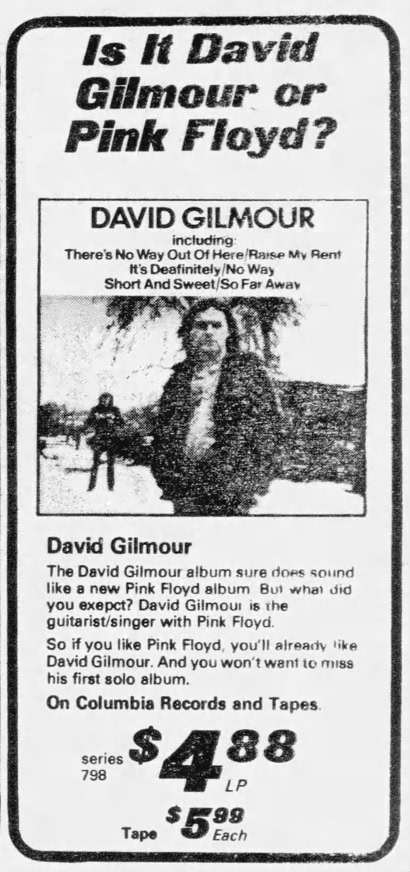
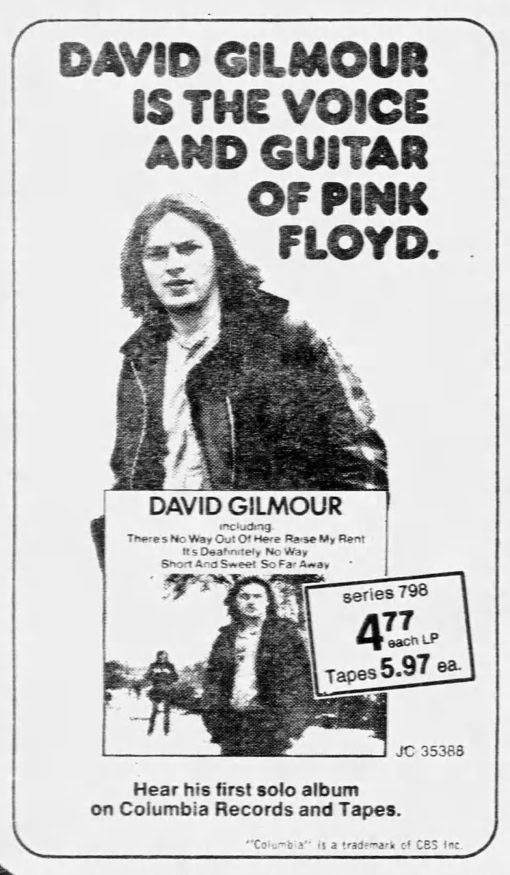
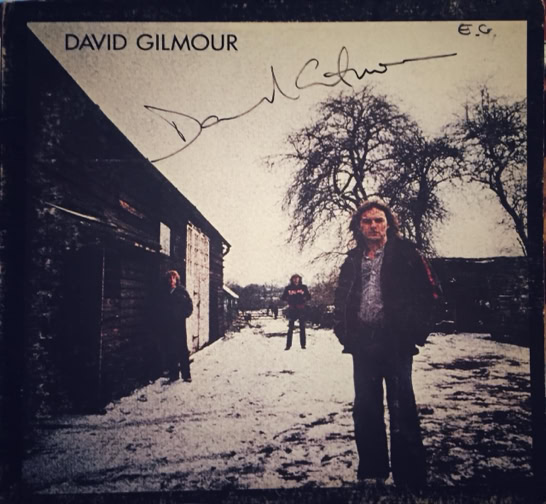
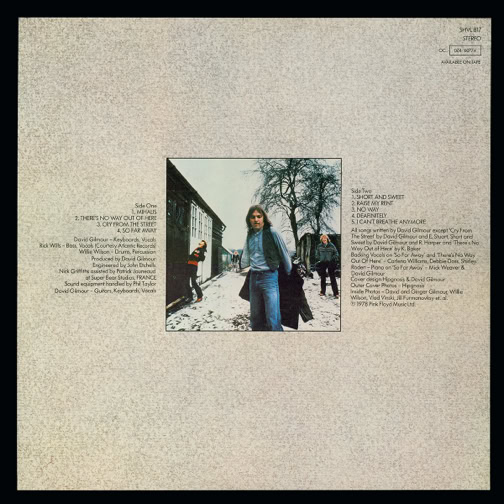
RECORD RELEASE | 25 May 1978, «David Gilmour» is released in UK
First English edition.
PRESS MENTION | May 1978. With the release of the album, the guitarist is asked about the future of the Floyd
David Gilmour:
« Roger comes up with the concepts - he's the preacher of the group and spends more time home writing with Pink Floyd in mind. We get along fine. I know what I give to our sound, and he knows it, too. It's not a question of him forcing his ideas on us. I get my ideas across as much as I want to. They would use more of my music if I wrote it»
«Interview w/. David Gilmour», Rolling Stones, 1978
Interviewer: «Why don’t you sing more with the Floyd, is it because you do not want to sing the lyrics of Roger ?»
Gilmour: «No, no , it's the opposite, it's because he wants to sing his lyrics . It happened once or twice several years ago, I did not want to sing his lyrics . But this was exceptional.
Rather I would be happy to sing most of the songs but if Roger writes the lyrics, he wants to sing and he sings ».
Interviewer : «Is this a situation that bothers you ?»
Gilmour: «Um, maybe not …»
«David Gilmour», Rock & Folk, 1978.
Interviewer: « Certainly Roger Waters is the brain, the mind of the band ? »
Gilmour: « Well, I think that is so. I never succeeded in writing proper lyrics »
«David Gilmour», Ciao 2001, August 1978.
David Gilmour :
« That first solo album came out of my frustration at how drawn out things were becoming in Pink Floyd... before heading back into another Floyd album that took even longer [laughing] ...The Wall ».
Mojo, Summer 2008
David Gilmour :
«Oh, you know. The usual Pink Floyd reaction. Absolute silence»
«Coming back to life», Uncut, September 2015
MISCELLANOUS | David Gilmour breaks the traditional Floyd’s wall of silence against the press by giving a large number of interviews to promote his solo effort.
From left to right: with Greg STONE; with Steve ROSEN and with Steve O’Rourke at the « Record World » magazine.
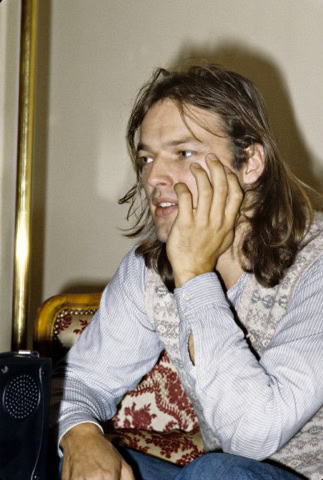
PHOTO SESSION | Early June 1978, David is photographed by Jean-Pierre LELOIR at the «Prince de Galles» hotel in Paris, France. The photos will be often used in the European press
Photographies by Jean-Pierre LELOIR
PRESS MENTION | 11 June 1978, according the French newspaper «Sud Ouest», a member of the band has given 100 000 Francs to a fund dedicated to the autism children.
RADIO SESSION | 13 june 1978 DavidGilmour is interviewed by WNEW Radio
David photographed in Los Angeles, June 13th 1978.
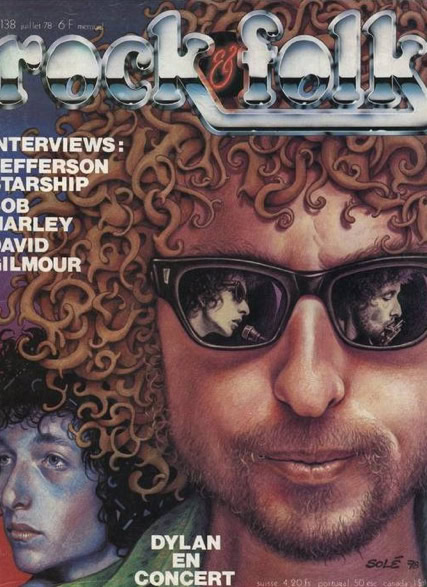
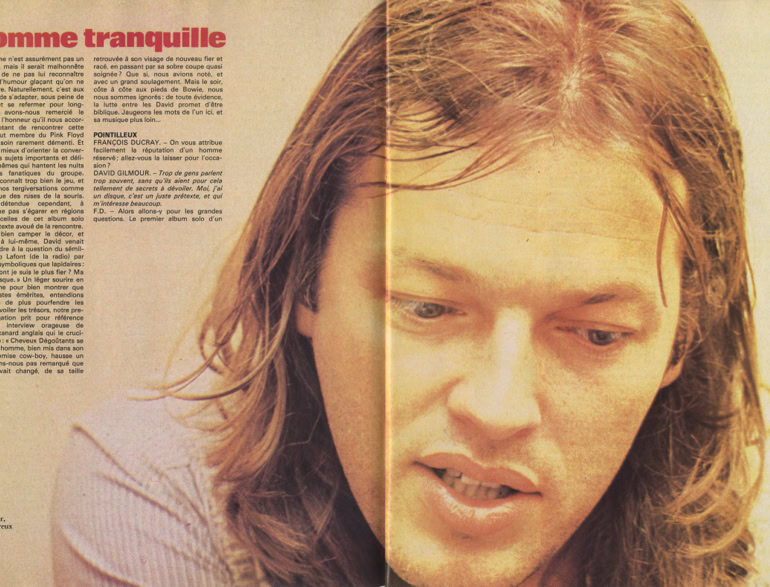
PRESS MENTION | David Gilmour gives an exclusive interview to François Ducray for «Rock & Folk» at Paris. Later published in the book «Le livre du Pink Floyd».
Rock & Folk, July 1978 (cover is a special drawn of the French artist Jean Solé)
David Gilmour:
« Roger comes up with the concepts - he's the preacher of the group and spends more time home writing with Pink Floyd in mind. We get along fine. I know what I give to our sound, and he knows it, too. It's not a question of him forcing his ideas on us. I get my ideas across as much as I want to. They would use more of my music if I wrote it »
«Interview w/. David Gilmour», Rolling Stones, 1978
Interviewer: « Why don’t you sing more with the Floyd, is it because you do not want to sing the lyrics of Roger ?»
Gilmour: « No, no , it's the opposite, it's because he wants to sing his lyrics . It happened once or twice several years ago, I did not want to sing his lyrics . But this was exceptional. Rather I would be happy to sing most of the songs but if Roger writes the lyrics, he wants to sing and he sings ».
Interviewer : « Is this a situation that bothers you ? »
Gilmour: « Um, maybe not … »
« David Gilmour », Rock & Folk, 1978 (Transalte: Romain FOURAY).
Interviewer: « Now what are you going to do ? »
David Gilmour: «I’m going to follow the example of others, I want to have a rest, devoting myself to my private life. We’ll see, in 1979, we’ll return to the recording studio»
Interviewer: « Why so late ? »
David Gilmour: «We aren’t machines that every year we must bring out a good record. We have our limits (…)»
« Interview with Aldo Bagli », Ciao 2001, 13 August 1978
MAIN EVENT | Early July 1978 Roger Waters presents his «Bricks in the Wall» demo tape to his bandmates and Steve O’Rourke at the Brittania Rows studios. He presents also «Pros and cons». The band minus Steve chose «The Wall» as their future album.
David Gilmour:
«Roger had the idea that he wanted to make one of the two projects that he had been working at his home studio during that time. He came in with two fairly well-formed, largely demoed ideas (…) Between us, we decided The Wall wound be the one we would start working on when we reconvened in September»
Cited in «Comfortably Numb - A history of «The Wall»», Vernon Fitch & Richard Mahon, June 2006.
Nick Mason:
«It was immediately clear that it was an interesting idea that could be developed musically»
Cited in «Comfortably Numb - A history of «The Wall»», Vernon Fitch & Richard Mahon, June 2006.
David Gilmour (as reported by Ginger Gilmour):
«I don't think I can really work with this. I have no idea how this could become something people would enjoy listening to. It is just Angst!»
«Memoirs of the Bright Side of the Moon», Ginger Gilmour, 2015
Nick Mason:
« He played the demo tracks for us and we thought it best he record it as a solo album. I suppose if we'd said «Oh please, please Roger, can we record it ?», we probably would have, but it was something he had to get off his chest and I'm glad he did, even if (the LP) hasn't been commercially successful ».
Cited in « A Collection Of Great Dance Songs (An A-Z of Solo Tracks) », The Amazing Pudding 57.
Nick Mason and crew at Britannia Row Studios.
RECORD RELEASE | Early July 1978, Pathé Marconi release a limited 12 vinyls boxset in France
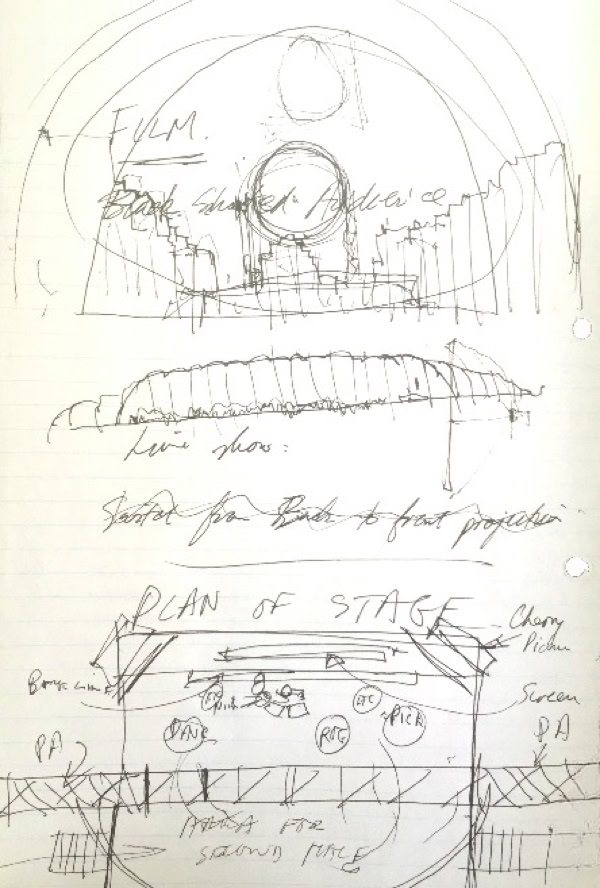
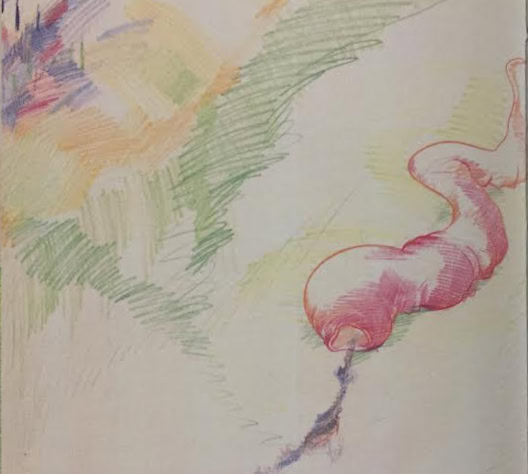
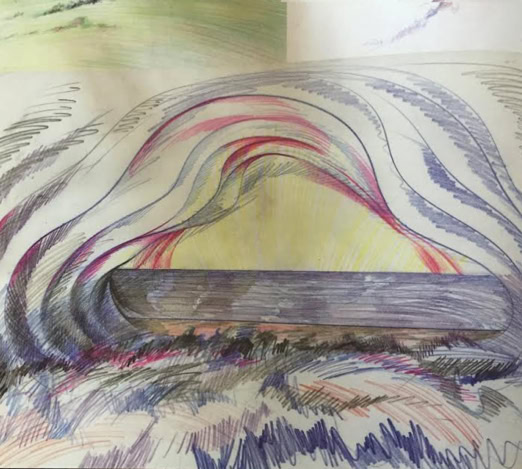
MISCELLANOUS | Early August 1978, first sketches by Roger for the forthcoming show.
Drawings by Roger Waters
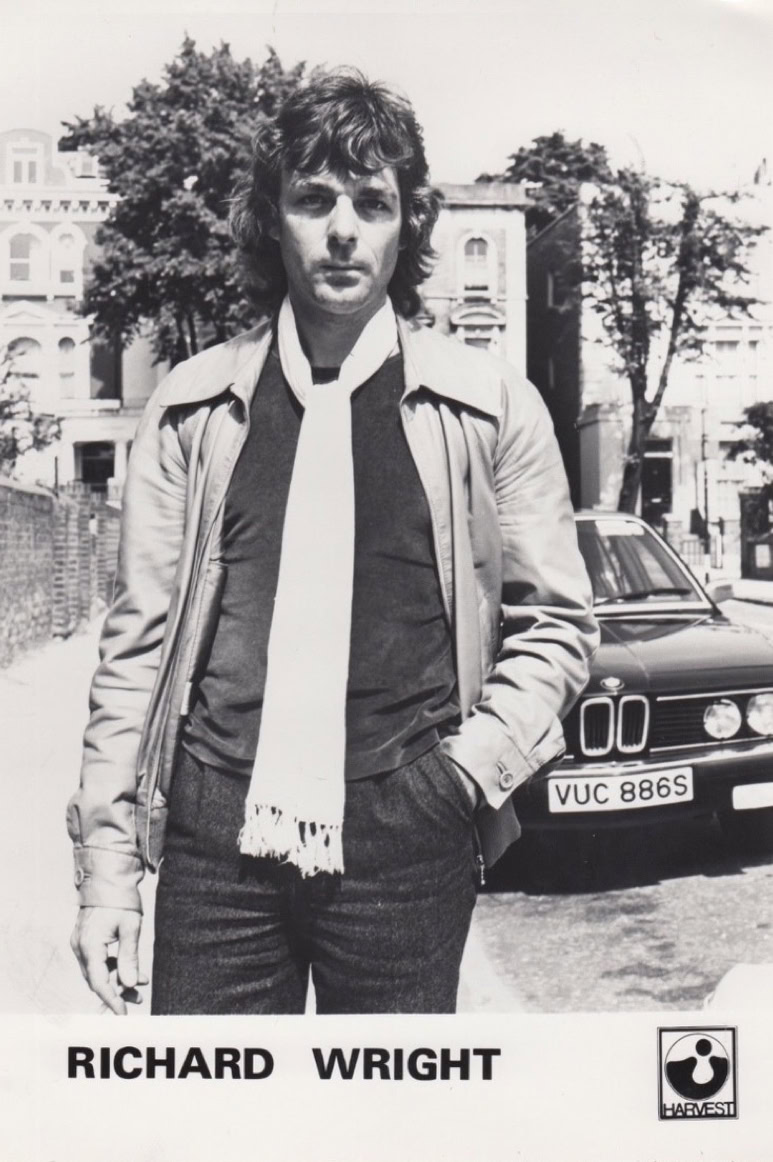
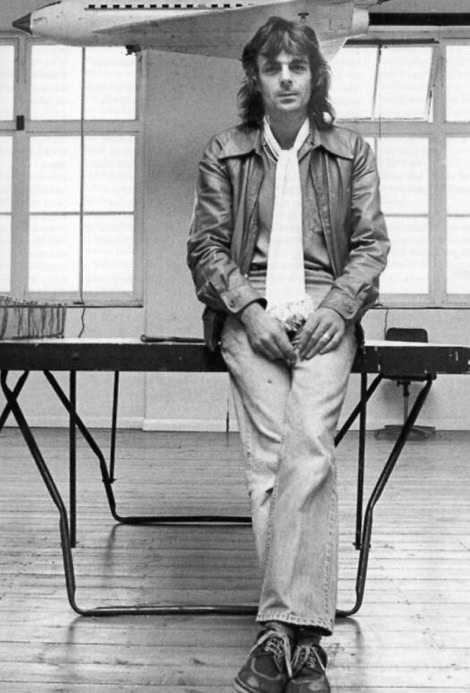
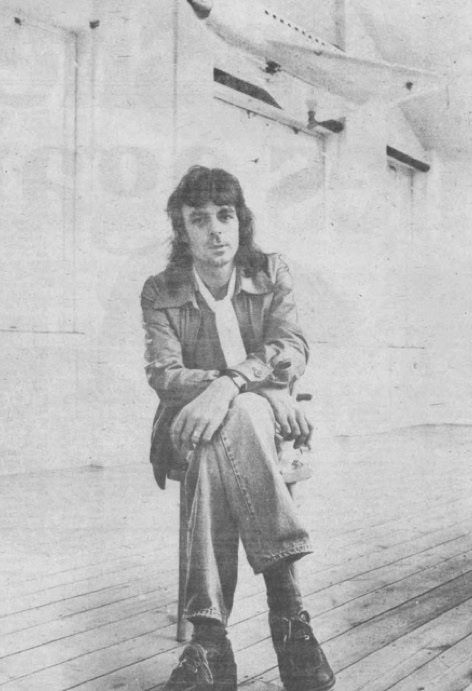
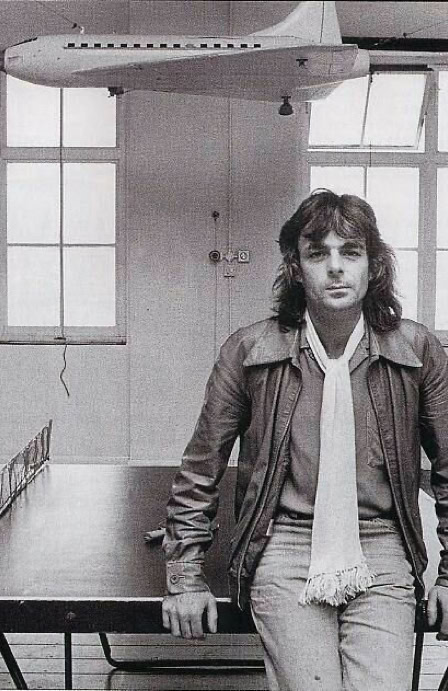
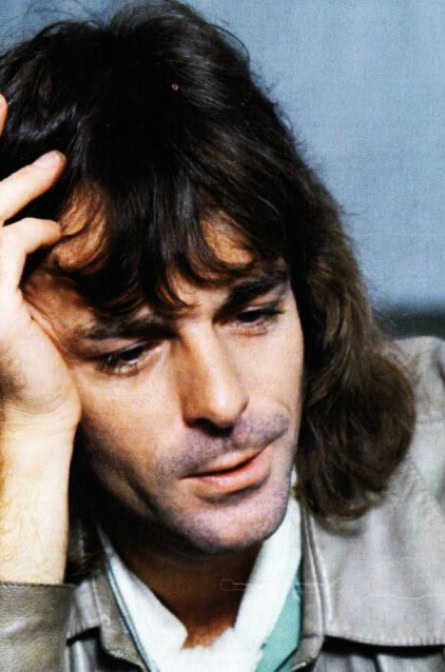
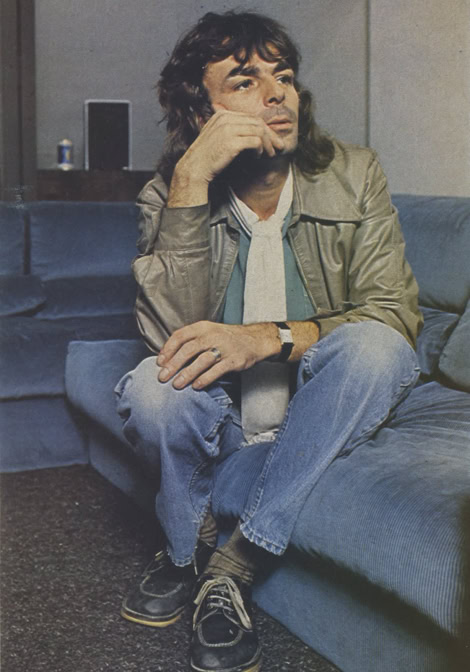
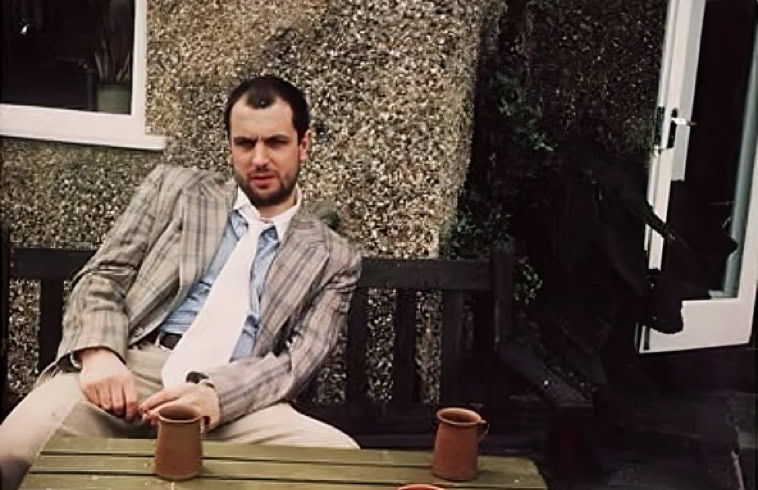
PHOTO SESSIONS | August 1978, EMI set up a photo session in London with Rick Wright to promote his forthcoming albums,
Photographies by Barry PLUMMER
PRESS MENTION | August 1978 Dave Gilmour gives his last promo interview at the Italian music magazine « Ciai 2001 »
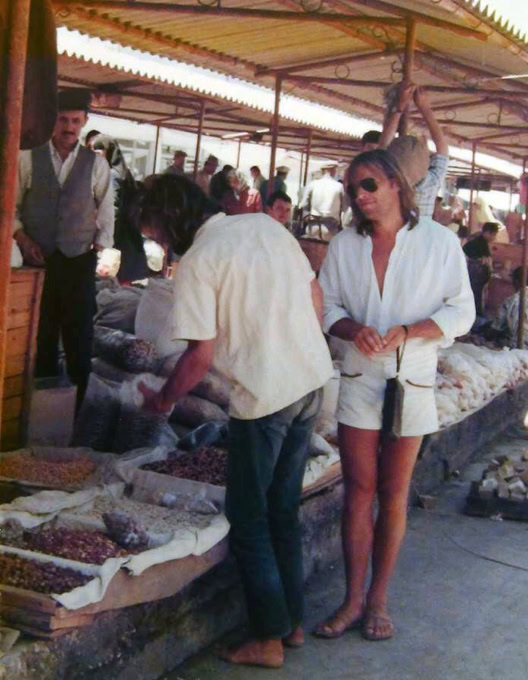
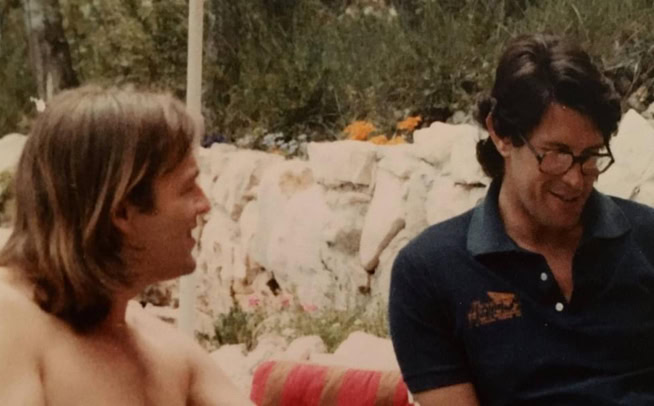
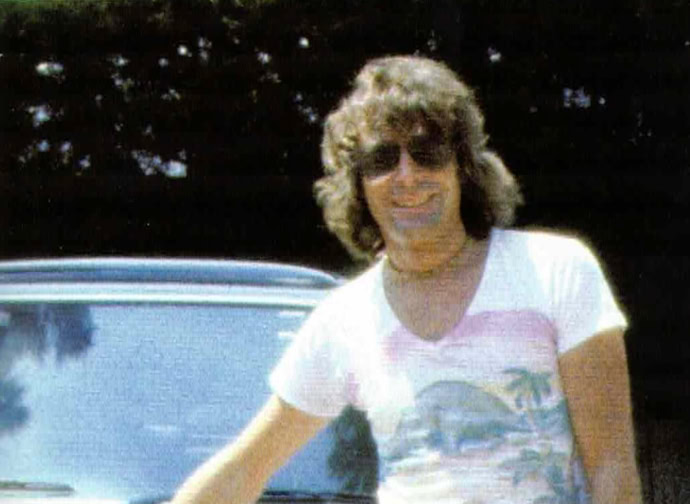
MISCELLANOUS | August 1978, Summer 1978, instead of promoting his album on the road, David takes vacation in Turkey and In Greece. David Gilmour said he thought about to do a solo tour but the next Floyd project has prevented to.... (source: «An average guy», The Evening Independant, 22 July 1978). On holiday in Lindos,
Marmaris Market, Istanbul, Turquie (Dave) by Christian MOURZON
MAIN EVENT | August 1978, Roger Waters meets Gerald Scarfe at his home (Cheyne Walk, London) for a first hearing of his «The Wall» project
A snapshot of the meeting. Photography by Jane Scarfe.
Gerald Scarfe:
«Roger came and said, ‘I’ve just written this thing, The Wall,’ and he wanted to play me these raw tapes. So he found a synthesizer and put it all onto tape, and he came to my studio in Chelsea here in London and played them to me. And it was kind of an awkward moment when he finished, because, what do you say when someone just plays their whole life out to you? And I didn’t have anything adequate to say. I said, ‘Oh, well, yeah. Well, you know. That’s great!’. And then there was a kind of awkward silence, and Roger says, ‘You know, I feel as though I’ve pulled my pants down and shit in front of you’»
«Pink Floyd’s The Wall Visuals by Gerald Scarfe», The Music aficionado website, 30 November 2019.
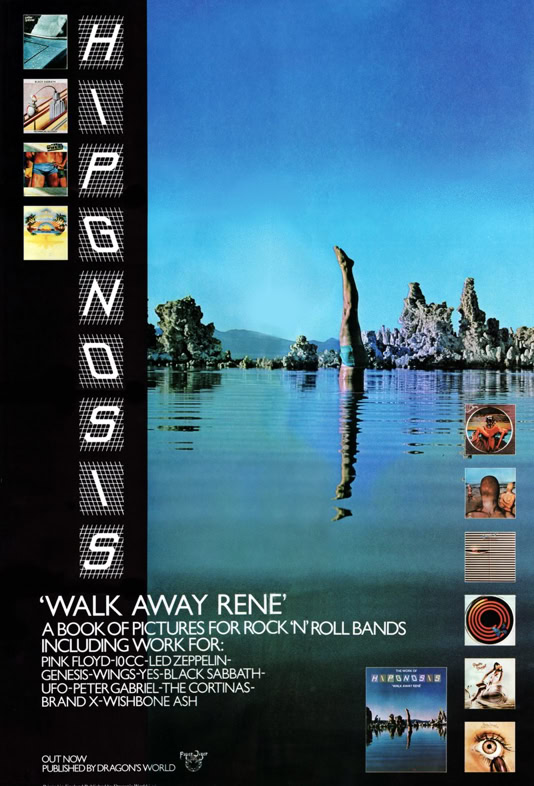
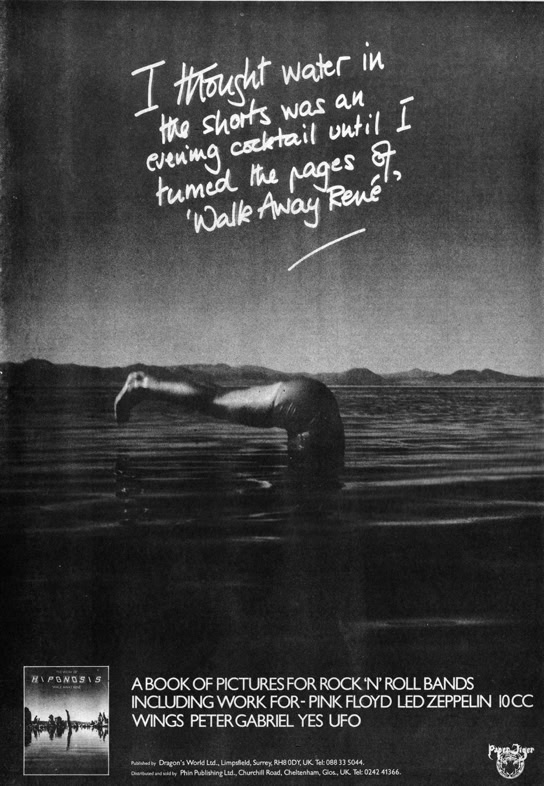
BOOK RELEASE | August 1978, Storm Thorgerson releases his first major book about his works for Hipgnosis: «Walk away René»
This release create a tension between Roger and Storm.
Storm Thorgerson:
«I’ve never known what the reason was. Apparently it was something to do with a caption in that book, but I don’t know if that’s really true. It also had something to do with arguments about ownership of photos. Whatever the reasons, it became an established fact»
«Floyd vs. Floyd», Classic Rock, October 2005
Roger Waters:
«I rather fell out with Storm when he included that sleeve in a book of their album designs, because it had nothing to do with them. Except that they called me up and said, «No hard feelings, but you are going to need lots of photographers for the day when you put the balloon up in the sky, would you like us to organise the photographers for you ?». So when subsequently they tried to take the whole thing over I was kind of pissed off about that»
«The show must go on», Rock Classic, January 2000.
MAIN EVENT | September 1978 Roger Waters began demoing ideas for the next Pink Floyd album, «Bricks in The Wall», and what became his next solo album, «The Pros And Cons Of Hitch Hiking», at Britannia Row studios.
David Gilmour:
« Roger comes up with the concepts - he's the preacher of the group and spends more time home writing with Pink Floyd in mind," a breezy Gilmour told Rolling Stone in 1978, as his "David Gilmour" album was being issued. "We get along fine. I know what I give to our sound, and he knows it, too. It's not a question of him forcing his ideas on us. I get my ideas across as much as I want to. They would use more of my music if I wrote it »
Rolling Stones, 1978
Roger Waters :
« I knew it would be long and complex and that I needed a collaborator with whom I could discuss it. There was no one in the group with whom I could speak - Dave was not interested, Rick had closed completely at that time and Nick would have been happy to listen to me because we were intimate, but he was more interested in his racing cars. I needed someone like Ezrin who was closest to me musically and intellectually. ».
« Danger Démolition in Progress », Mojo, Décembre 1999
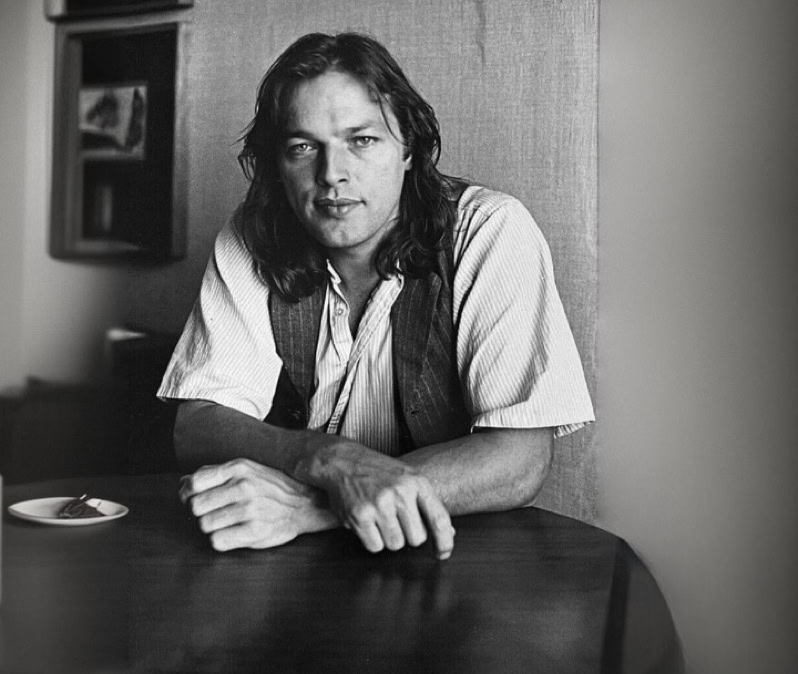
David in September 1978? Photography by Watal ASANUMA
Interviewer: « And Floyd never thought of recording Pros and Cons ? »
Gilmour: « The demo's for both The Wall and Pros and Cons were unlistenable, a shitty mess. The demo's for both sounded exactly alike, you couldn't tell them apart. I mean we thought of recording Pros and Cons at a later date, but as it turned out Roger preferred to go off and do it as a solo project. So we had to put a hell of a lot of work into that ».
Chicago, September 1987, with Brain Damage's Richard Ashton and Glenn Povey.
Rick Wright
«But there were some things about it where I thought, 'Oh no, here we go again--it's all about the war, about his mother, about his father being lost.' I'd hoped he could get through all of this and eventually he could deal with other stuff, but he had a fixation. Every song was written in the same tempo, same key, same everything. Possibly if we were not in this financial situation we might have said, 'Well, we don't like these songs,' and things might have been different. But Roger had this material, Dave and I didn't have any, so we'll do it»
«Danger - Band imploding», Mojo, December 1999
RECORD RELEASE | 22 September 1978, « Wet Dream » is released in UK
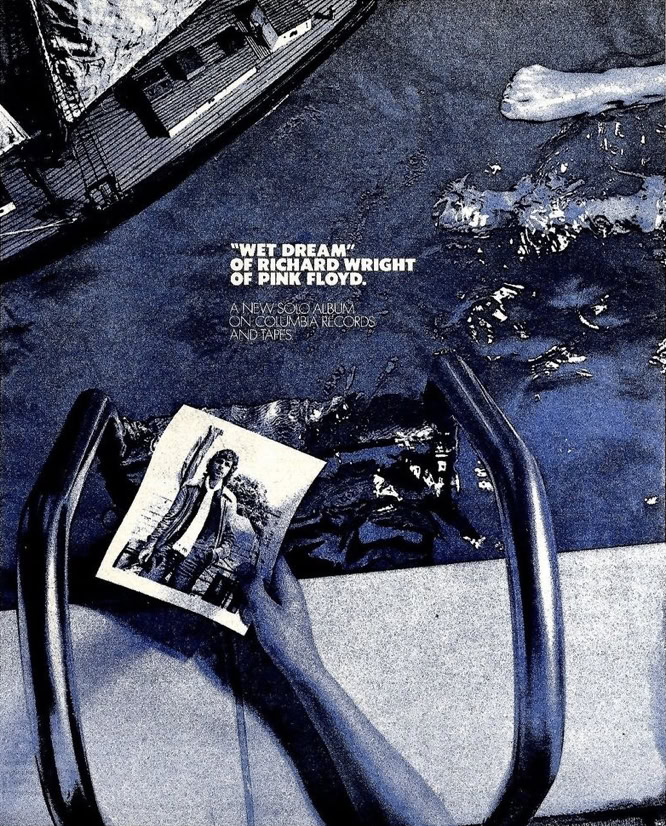
RECORD RELEASE | Late September 1978, « Wet Dream » is released in US
Rick Wright:
«Wet Dream was rather amateurish. It wasn't very well produced and the lyrics weren't very strong, but at the end of the day, I think there's something rather quaint about it. I actually like it now»
«Interview with Mark Blake», August 1996
MISCELLANOUS | Late September 1978, Syd Barrett sold the rights on all his solos albums to the record company. He returns back definitely in Cambridge
RECORDING SESSION | 3 October 1978, Mc Cartney invites David Gilmour at Abbey Road Studios to record an all-star track under the name «Rockestra»,
It was recorded as part of Wings' 1979 album «Back to the Egg» and released as a single in France.
RECORDING SESSION | This same month: Beginning of the recording works for «Bricks in the Wall»
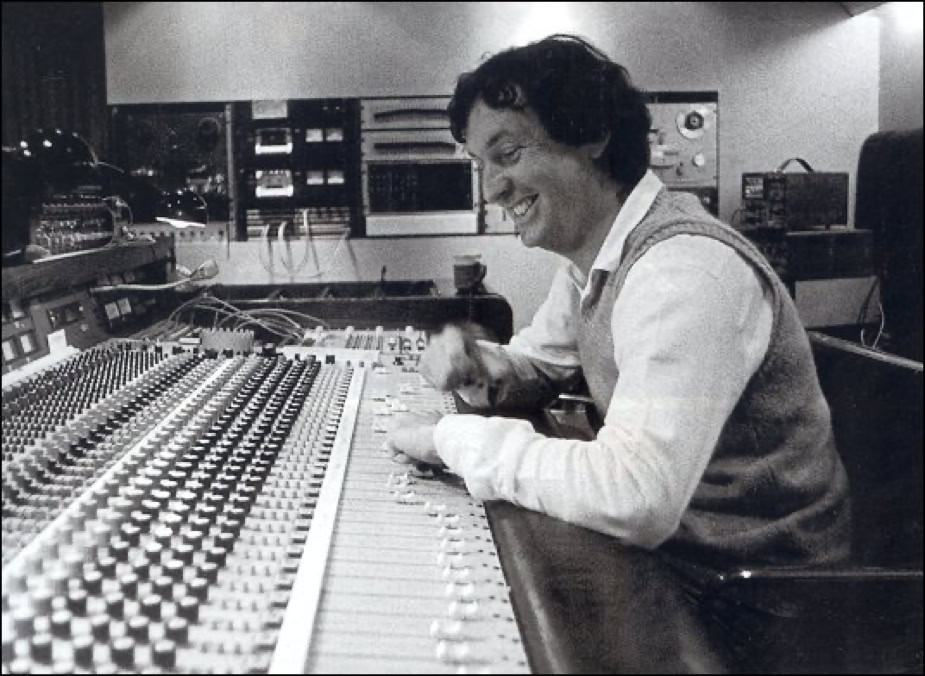
James Guthrie:
«Roger was an imposing figure, very direct in his communication. He was testing me. After our first meeting, we had regular phone conversations, more meetings with the rest of the band and we began work, just the five of us, in October of 1978 at Britannia Row Studios in London. Roger had written enough material for three albums, so we began by arranging and recording the most complete songs. That way we could start to get our heads around the shape of the story. At that time they were still playing together more as a band, rather than one guy at a time, which is the way we ended up recording in France. Working on a concept album is akin to making a movie. How you tell the story is all important»
«Unspoken bricks - Ezrin and Guthrie ring their bell on «The Wall»», Brain Damage Website, May 2005
Roger Waters
«I started writing, and in the process of doing that I began to realize, “I’m writing a script.” It took one night in my flat in London. I closed my eyes and wrote out the movie that would become The Wall. The next day in the studio, we made copies of the script and handed them out, and we all sat down for a table read. We laid down the bits of music we had from the demo, and obviously there were songs missing, bits of the script where we didn’t yet have a song. We’d mark those “TBW” — “to be written.” “Comfortably Numb” was a TBW song. With the screenplay, we had a real framework for how things would go, and it proved crucial.”
«The Making of the Wall», Grammy Website, 2013.
Paul Alessandrini, personal friend of Roger is the first to gives some hints about the future LP of the band in the press.
Paul Alessandrini:
« Waters devait enregistrer un album solo. Il avait eu plusieurs idées, et celle qu'il a retenue, celle qu'il a dans la tête depuis toujours, c'est que la guerre n'est pas terminée. Donc la guerre continue, sous forme de guerre froide. elle se manifeste dans la vie quotidienne, dans les relations entre les individus. Nous sommes en état de guerre. L'idée de son album personnel, c’était cela. Et puis, quand il a vu que les autres faisaient également des albums solo, il a laissé tomber son projet et l'a transformÈ pour que ce soit le projet du Floyd. Ce sera un double album, un mélange entre un truc très autobiographique de Waters et cette idÈe sur la guerre. il a débuté par des idées scéniques. il imaginait tout à fait le spectacle.
Son rêve était qu'ils jouaient en concert, et pendant ce temps, des mecs construisaient un mur sur le devant de la scène, un mur en briques. A la fin du concert, le groupe était emmuré. C’était l'image du Floyd poussé à son extrême. Je pense que les textes de leur prochain album tourneront autour de cette idÈe d'incommunicabilité entre les races, les groupes d’âge, les couches sociales.
Roger Waters a déjà enregistré quelques maquettes. C'est quelqu'un d'hyper pessimiste. ce que j'ai entendu était prévu pour un album simple, et finalement l'idée s'est étendue à un double album. Un film va être tourné à propos de ce disque, dans lequel ils apparaîtront en tant que Pink Floyd, soit sur scène, soit dans la vie. C'est l'histoire d'un mec qui n'a pas connu son père, mort pendant la guerre. Waters devait tenir le rôle principal, mais en fin de compte le rôle sera tenu par un acteur professionnel. Le type qui fait le film est un jeune mec de la télé anglaise, très branchÈ par le Floyd. C'est lui qui les a contactés. Il y aura également des passages d'animation.
Si tout va bien, le disque sera terminé en juin prochain, et sortira soit juste avant soit juste après l’été. Le film est censé sortir à la fin de l'année 1979. au point de vue tournée, il n'y aura donc rien avant 1980. Et s'ils tournent en 1980, le spectacle sera tellement extraordinaire qu'il sera intransportable. Ils joueront huit ou dix jours dans une capitale et les gens viendront les voir par charters, par exemple»
« Pink Floyd », Musique Magazine, November 1978
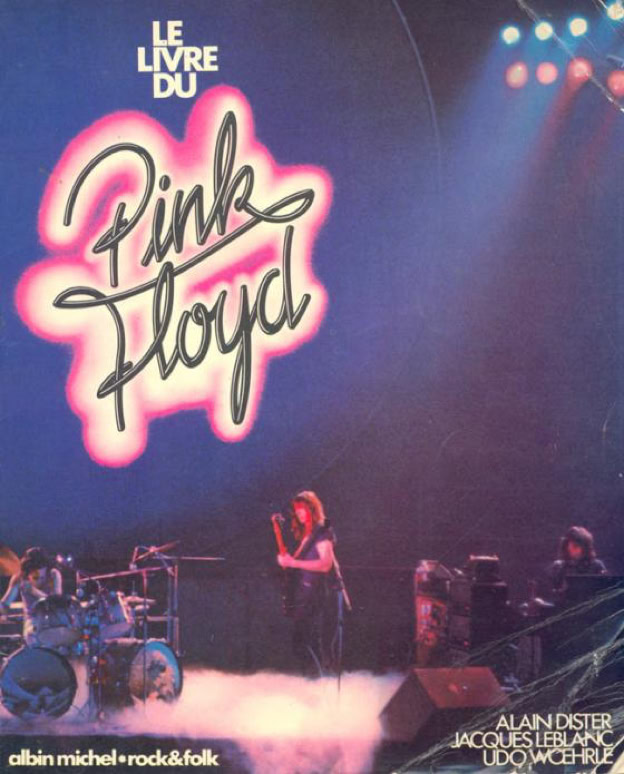
BOOK RELEASE | A major book is released in October: «Le livre du Pink Floyd». This book is a goldmine of original Pink Floyd photographies provided by Alain Sister.
Alain Dister:
« Je me suis fait avoir dans les grandes largeurs. Un Allemand,UdoWoehrle, est venu me trouver, me proposant de faire un livre, d’écrire le texte et de fournir mes pho- tographies. Il nous a donné vraiment deux francs cinquante, et il me dit : « De toute façon, ne vous inquiétez pas, il y a de l’argent qui va rentrer avec les traductions, c’est une bonne affaire pour vous ». A l’époque, en 1978, j’étais chroniqueur de rock, je ne gagnais pas beaucoup d’argent et donc, j’ai accepté le deal en me disant : « Ok, peut-être que plus tard... ».
En fait, j’étais totalement naïf, parce que le gars a disparu dans la nature. Il y a effectivement eu des traductions en japonais et en allemand que j’ai pu obtenir par d’autres voies. Donc sur le plan professionnel, ça n’a pas été une grande réussite. Mais le bouquin existe et je crois qu’on peut dire que c’est un beau livre parce qu’il y a pas mal de photos originales dedans »
« Interview Alain Dister par dumbangel », Speak to me fanzine #°4, Spring 2010.
RECORDING SESSION | October 1978. Roger, David and James Guthrie enters in Brittania Row studios for the project then-called «Bricks in the Wall»
James Guthrie:
«Roger, David, Nick, Rick and I had been living with Roger's original demo recording of The Wall during the summer of 1978. We began work in the studio that October and, as Roger had written about 3 album's worth of material, the first order of the day was to determine how best to tell his story in a more manageable, double album format. Working up some of the musical arrangements and creating a new set of demos was the most logical solution to that challenge»
«Demo disc notes», The Wall immersion boxset, 2011
« Circus », 19 December 1978.
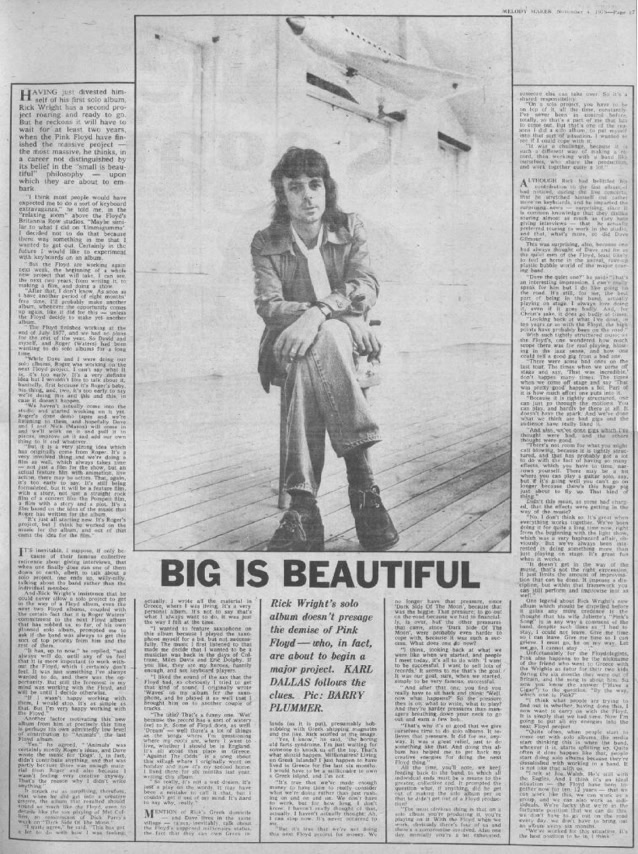
PRESS MENTION | 4 November 1978: Rick Wright is interviewed by Melody Maker. He gives some detail about the forthcoming project «The Wall»
«The Floyd finished working at the end of July 1977, and we had no plans for the rest of the year. So David and myself, and Roger (Waters) had been wanting to do solo albums for a long time. While David and I were doing our solo albums, Roger was working on the next Floyd project. I can’t say what it is, it’s too early. It’s a very definite idea but I wouldn’t like to talk about it, basically, first because it’s Roger’s baby, his thing, and, two, it’s too early to say we’re doing this and this and this. In case it doesn’t happen.
We haven’t actually come into the studio and started working on it yet. Roger’s done demo tapes and we’re listening to them, and hopefully Dave and I and Nick (Mason) will come in and we’ll work on it and pull it to pieces, improve on it and add our own thing to it and whatever.
“But it is a very strong idea which has originally come from Roger. It’s a very involved thing and we’re doing a film as well, which always takes time-not just a film for the show, but an actual feature film, with animation, live action, there maybe actors. That, again, it’s too early to say. It’s still being formulated, but it will be a feature film with a story, not just a straight rock film of a concert like the Pompeii film, a film with a story and a plot. It’s a film based on the idea of the music that Roger has written for the album. It’s just all starting new. It’s Roger’s project, but I think he worked on the music for the LP, and out of that came the idea for the film»
«Big is Beautiful», Melody Maker, 4 November 1978
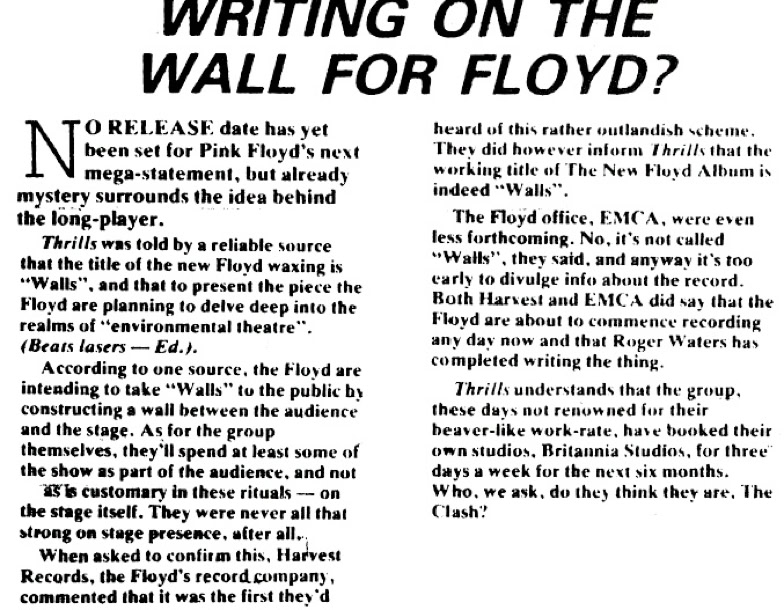
PRESS MENTION | 11 November 1978, New Musical Express stated the band are working on a new album called « Walls »
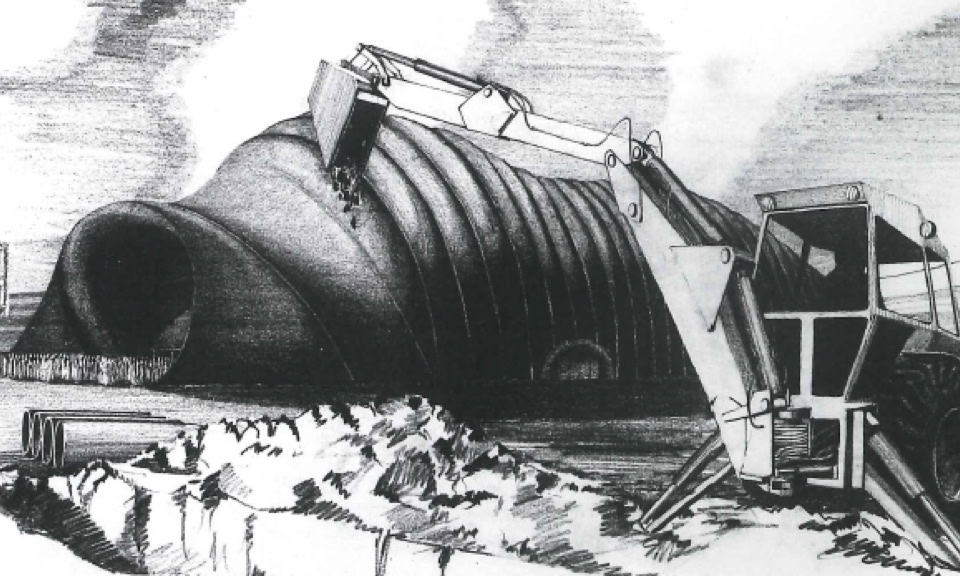
PRESS MENTION | Late 1978. French press get more details about the concept of a huge inflatable concert hall called « The slug »
See the page dedicated to the unused projets for more details
« (…) Une seule solution, une salle mobile sous la forme d’un immense chapiteau d’une contenance de 5 000 places. Les quatre Flamants sont actuellement en studio avec Bob Erin pour l’enregistrement de leur album «The Wall» (sortie prévue en juin) qui sera accompagné d’un film dans lequel le groupe évoluera sur scène sous la large toile de tente »
« Floyd Circus », Best, January 1979
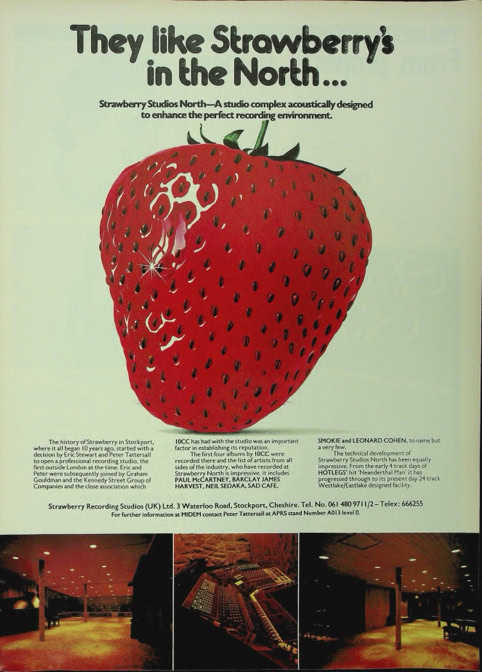
MAIN EVENT | Late 1978. The band are considering going in France for recording of «The Wall».
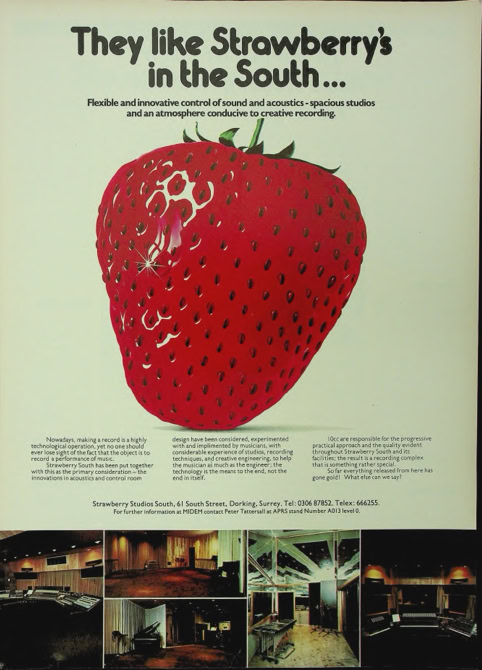
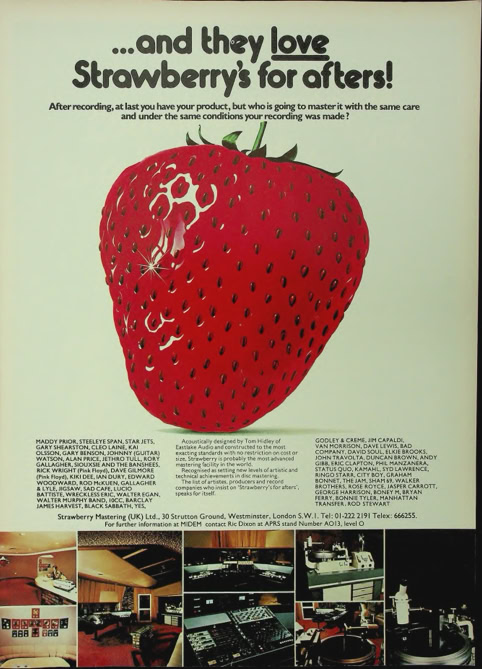
The Superbear and Strawberry studios are chosen following the works of David Gilmour and Rick Wright earlier this year.
Late 1978 adverts for the Strawberry Studios in the south of France with mentions of Gilmour and Wright solo LPs.
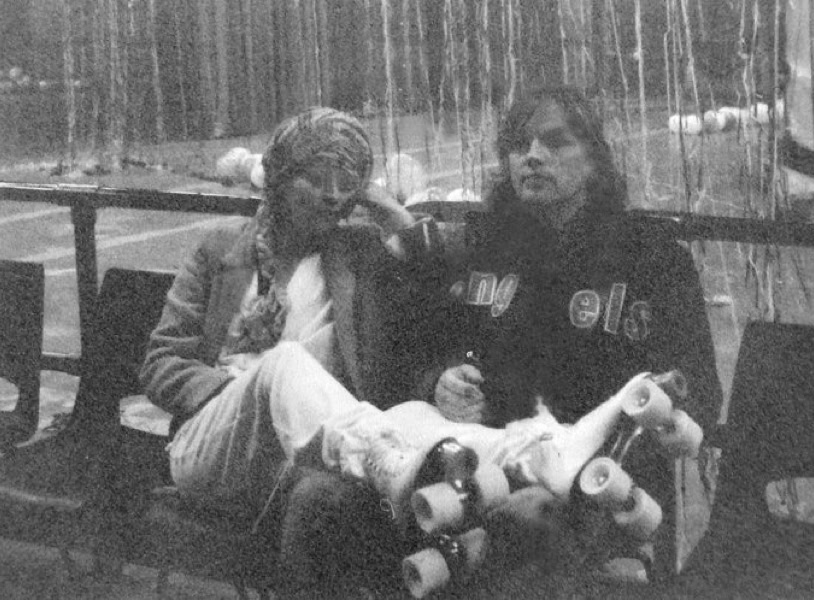
MISCELLANOUS | 19 January David and Ginger at Ginger’s 30th birthday skating party (a popular hobby then).
« I am slightly staggered to discover that the ponderous Pink Floyd are all roller-disco fanatics. Their guilty secret came to light when blonde Ginger Gilmour, the exotically beautiful wife of Floyd guitarist David Gilmour held a huge roller-disco party. Nearly 300 luminaries, including all but one of the Floyd, pirouetted and tumbled hair they way around the floor. Ginger tells me: "Dave and I met and fell in love at a roller-disco party in Detroit »»
« Floyd's roller-disco », Liverpool Echo, 27 janvier 1979
PRESS MENTION | 1st February 1979, communiqué from the management about the band is working on new album for a release on June.
MISCELLANOUS | With his financial troubles the members of the board of the band looking for solutions to avoid to pay huge taxes. March 1979 the English gouvernment required over £2 million.Roger Waters buy a house in Switzerland.
« With an eagerness worthy of the most dangerous robbers, we packed up for two or three weeks. To comply with the parent laws for taxpayers residing in the United Kingdom, we had to leave the territory before April 6, 1979 and not set foot there again until April 5 of the following year, not even for a short stay. In fact, several other groups adopted this solution, happy to benefit from the government's generosity. In our case, it was vital. The prospect was enticing: a year net of taxes to settle our debts, but also the occasion to make new musical start without being disturbed by our lawyers and our financiers. Anyway, Bob considered that our stealthy life in Great Britain slowed down the development of a harder rock album. We were almost happy to leave the country »
«Inside Out - A personal history of Pink Floyd», Nick Mason, 2005.
MISCELLANOUS | Before the departure of the band in France, James Guthrie produces a rough mix from the recording sessions of « The Wall »
Interviewer: «Did Labour drive Pink Floyd into tax exile in France ?»
Nick Mason: «No. It was greed that drove Pink Floyd into exile. We thought we could make a pile of cash if we lived outside the country, saved taxes and invested the money. Unfortunately, the people we chose to invest the money were useless».
«Rock stars have to show off because they’ve got weak egos»; Galore Magazine, November 2005
PRESS MENTION | According a communiqué of Harvest the band « have been re-recording some stuff that was done last years »
(cited in « Reactivated Floyd », Melody Maker, 31 March 1979)
PRESS MENTION | Before the band leave England, David Gilmour is seen at the concert of Wayne Kramer at Dingwalls.
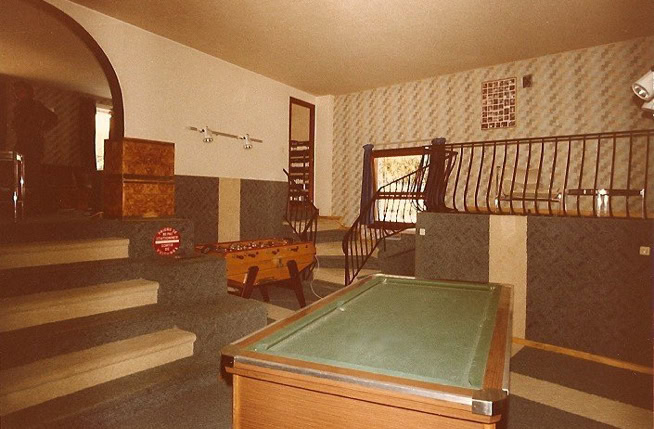
Gilmour’s house near berre-les-Alpes. On the left: Nick Mason and Ginger Gilmour, on the right: David Gilmour and Steve O’Rourke
MAIN EVENT | Late March, the band and their families move in the south of France, at Bear-Les-Alpes
Ginger Gilmour:
«It was around March-April, David came home and said that we had to do a tax exile year. English tax laws were such that this would be the only way to get out of our mess. With our income bracket and the possible income tax liability from the Warburg affair, we had no other choice (…) We had to go with David. Overnight, we found ourselves packing and leaving the country A.S.A.P. We went back to Lindos, as our house was nearly ready to live in until other plans materialized for where the Floyd would continue to record. I interviewed several ladies to be our nanny for our year away. Sue Turner entered the fold. Eventually, we would re-locate in a home near Super Bear Studio in Berre-les-Alpes, France, where the creating of The Wall would further manifest.
In addition, we asked our dear friend Christian Mouzon to come as family support while David was working. We had grown very close during our time in Turkey and we thought he would be a perfect addition to our team. He was French and as only David spoke French, he would be a great asset to us at home. The process was swift as I recall. By the time we settled in Lindos, to my surprise, I began having not only morning sickness but also afternoon sickness. I was pregnant with our second child.
Our home in France was a lovely ground level French stone structure amongst a forest of pine trees. It was hot, but we were graced with a swimming pool to cool us down from the summer heat. Alice and I often played on our rubber rafts in the late afternoon sun splashing about like little kids. I was getting rather pregnant and often sought refuge in the shade.
Some days I would go with David to Super Bear. There were very special walks down the road from the studio. The air was always full of the scent of pine and mimosa. The branches hung down over the path laden with yellow fluffy flowers and the morning dew would wet my face as I parted them along the way. There was a moment during my first walk amongst this wonder of nature that I had such a fright. Bathed in its Beauty as I was, I parted the low-lying pine branches when unexpectedly the path abruptly stopped. There I was teetering on the edge of a deep ravine.
I felt off balance with my pregnant tummy hanging out before me. Leaning against the rock face next to me, taking a moment to stand still, I regained my composure (…). It was not so within the Walls of the studio. The contrast between the calm of nature’s temple and the creative process amongst the band made it rather difficult to be there for long. As time went by, I especially found it painful to witness Rick losing his self under the pressure of Roger’s growing domination. Since Animals, there started to be no room for Rick to express his innate qualities, nor David, but David persevered and found a way.
But as Roger’s need to have his vision dominate, his inner turmoil increased, it did not make fertile ground for such music to grow, or for David’s intuitive way to bring forth that silent flavor.
The flavor, which both contributed to within the sound of Pink Floyd. Upon reflection and some research, I was unearthing an invisible aspect of this time, which I had never considered, buried under the Wall»
«Memoirs of the Bright Side of the Moon», Ginger Gilmour, 2015
Juliet & Rick Wright along Ginger.
Ginger Gilmour:
«What also made it difficult was the fact that (Rick) was often the punching bag. The camaraderie of the band's relationship was always boy tease boy, but for me this was getting to be too cruel. Rick buckled. It was heartbreaking to watch (...) I watched Rick's withdrawal give a podium for a victim within the subconscious aspects of the story. I watched Nick's struggle between friendship and finding his voice»
«Memoirs of the Bright Side of the Moon», Ginger Gilmour, 2015
Roger Waters :
« (…) We were having problems with Rick - he was sort of there but not there ».
« Pink Floyd – Danger, Band imploding ! », Mojo, December 1999.
David Gilmour :
« Most of the arguments came from artistic disagreements. It wasn't total war, though there were bad vibes - certainly towards Rick, because he didn't seem to be pulling his weight ».
« Pink Floyd – Danger, Band imploding ! », Mojo, December 1999.
Rick Wright:
«Roger and I just couldn't get on. Whatever I tried to do, he would say it was wrong. It was impossible for me, really, to work with him ».
« Repent, Pink Floyd Idolaters! », Musician Magazine, August 1988.
Roger Waters :
« Rick didn't have any input at all, apart from playing the odd keyboard part, and Nick played the drums, with a little help from his friends. And Dave, yeah, Dave played the guitar and wrote the music for a couple of songs, but he didn't have any input into anything else really. We co-produced it, I think, Ezrin and myself - the collaboration with Ezrin was a pretty fertile one, his input was big - and Dave got a production credit - I'm sure he had something to do with the record production; he had very different ideas about that sort of thing. But there was really only one chief, and that was me ».
«Pink Floyd – Danger, Band imploding!», Mojo, November 1999.
Ginger Gilmour:
« Others have written that Rick had nothing to offer, but I feel there was another contributing factor that created this difficulty within Rick. There was no room for his true soul to enter which I will explain later. What also made it difficult was the fact that he was often the punching bag. The camaraderie of the band's relationship was always boy tease boy, but for me this was getting to be too cruel. Rick buckled. It was heartbreaking to watch. Nevertheless, I feel there is another invisible aspect that turned off his creativity»
«Memoirs of the Bright Side of the Moon», Ginger Gilmour, 2015
Nick Mason:
« When Roger wanted to fire Rick after « The Wall » even the rest of us thought: « Now our band is better ». With our next album that turned out not to be the case. It took us forever to admit that ». « A band is like a marriage, with multiple husbands » by Martin Stolz, Die Welt, November 2014
Interviewer: «Have disagreements between you and Roger ever reached the point of physical violence?»
David Gilmour : «They've threatened to. But it's never actually come to that. Once Roger and I had a real shouting match at this Italian restaurant in North Hollywood. We'd gone there with Bob Ezrin to have it out over something on «The Wall» - probably Comfortably Numb, because the only thing I'd really argue with Roger over was my own music. With his music, I wouldn't bother to argue ».
«David Gilmour», Guitar World, February 1993.
Ginger Gilmour: «(…) I will never forget the look of shock on everyone's face especially Roger's, with everyone's tensions riding high. Roger wanted to remove 'Comfortably Numb' from the album. It was one of the only songs, which David had a major credit for and he exploded. (...) I will never forget the look of shock on everyone's face, especially Roger’s»
«Memoirs of the Bright Side of the Moon», Ginger Gilmour, 2015
Lindy Mason and Carolyne Waters
Mark Blake:
«Ginger also found herself clashing with Waters’ new girlfriend, Carolyne Christie. Both came from wildly different backgrounds and, as one associate from the time recalls, ‘they did not see eye to eye»»
«Pigs Might Fly», Mark Blake, 2013
Bob Ezrin:
« There was tension between the band members, even tension between the wives of the band members. There was a period in France where it was very hostile, that passive-aggressive English-style conflict».
«Pink Floyd – Danger, Band imploding!», Mojo, December 1999.
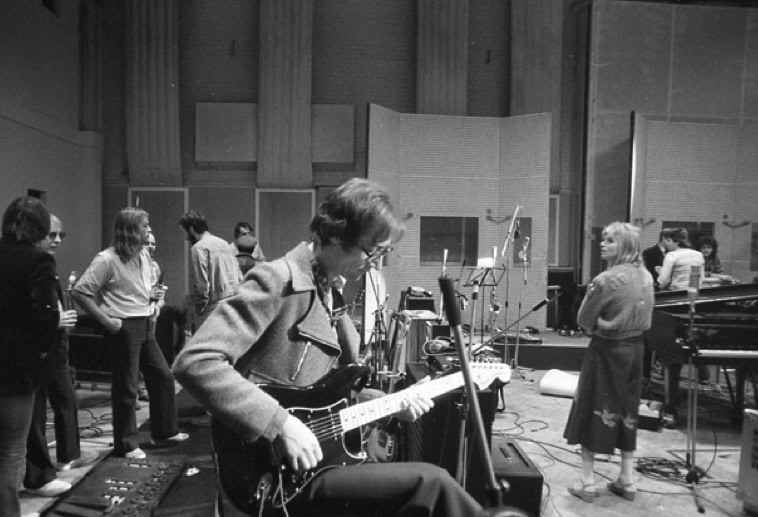
RECORDING SESSIONS | April the recording sessions continues to Super Bear Studios
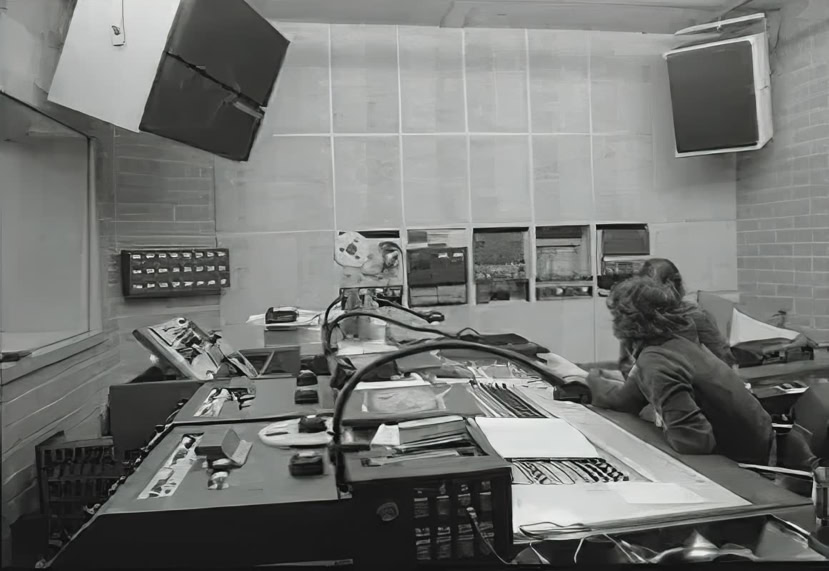
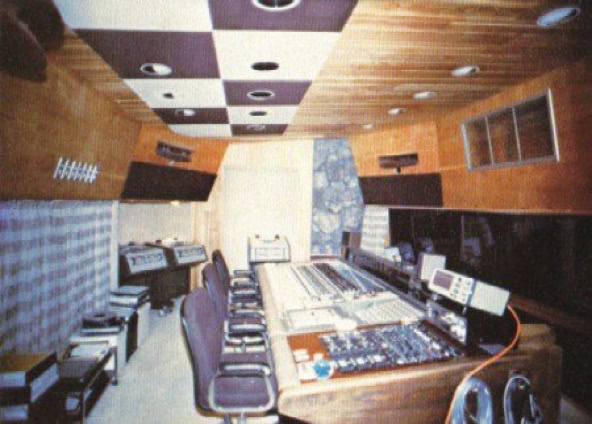
Above: Roger, Phil Taylor, Rick photographed at the Superbear Studios. Below: the recording studios photographied in 1979
MAIN EVENT | The work on the « slug concept » by Mark Fisher and Jonathan Park goes on. More details on this page
Concept arts by Gerald Scarfe.
MAIN EVENT | David invites The Act (a band who include Gilmour’s brother Mark and Nick Laird-Clowes) to use his home studio while he’s in France
Nick Laird-Clowes:
«We used this little old studio in the house he bought from Steve Marriott. It was near Harlow in Essex. We used to take the Central Line and then walk a few miles to the house. It was a lovely little Tudor-looking cottage with a building in the garden a bit like a garage. He had an eight-track in there»
«Coming Back to Life», Uncut, September 2015.
RECORDING SESSION | 11 May 1979, Nick Griffiths recorded sound effect for the Wall’s exploding
« City's towers go down on record the sound of Coventry's last cooling tower crumbling to the ground could soon be rising up the charts or, the blast will be one of a variety of unusual sound effects featured on the next album by the rock group, Pink Floyd. Two cooling towers were blown up at the former Coventry Power Station yesterday and the group's recording engineer, N. Griffiths, was on hand with his assistant Linda Marshall, to record it. Just 151 b. of explosives and a few carefully removed bricks were enough to demolish each of the towers. Unconventional Nick said: «This is only one of a number of rather unconventional sounds that Pink Floyd have asked me to get for the album that they are recording at the moment. We have been trying for about a month to find a chimney or tower that was to be demolished, and I think the Journey here to, day has been well worth it». Nick and Linda had travelled from Pink Floyd’s studio in Islington, to tape blast. Five other towers at the old Power station have been demolished in the last 2 weeks »
« Here we go again … with lasting effect », Coventry Evening Telegraph, 12 May 1979
PRESS MENTION | 19 May 1979 Melody Maker drops a name for the forthcoming album: « Bricks »
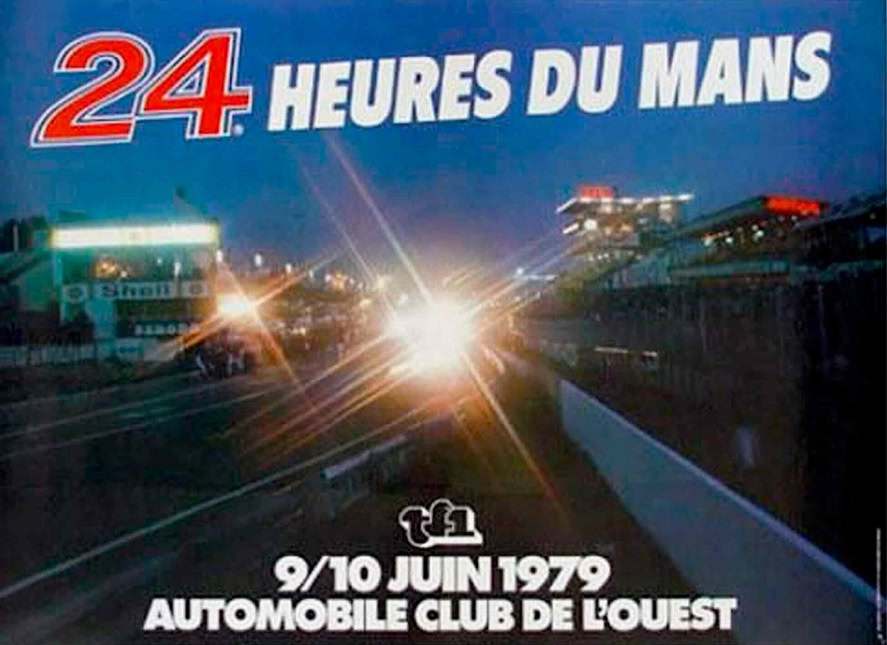
MISCELLANOUS | 9-10 June: Mason drives for Dorset Racing Associates at «Les 24 Heures du Mans». He was ranked #18. Steve O’Rourke is here too.
Nick Mason:
«Il s'est effectivement passé deux choses (…) Tout d'abord, nous nous sommes rendu compte que nous devrions enregistrer «The Wall» à l'étranger, et nous sommes partis pendant un an en exil fiscal. A la même époque Augustus Bertelli, propriétaire de l'usine Aston Martin pendant les années 1930, est décédé. On m'a demandé d'amener mon exemplaire de l'Aston Martin Ulster à ses obsèques. J’y ai fait la connaissance de Brian Joscelyne, qui faisait partie de l'équipe Dorset Racing. Il m'a demandé si j'aimerais bien faire Le Mans. Je n'avais jamais piloté de voiture de course, mais au final c'est la meilleure décision que j'aie jamais prise. Par la suite, nous avons passé l'essentiel de notre temps en studio pour l’album, mais j'avais un ami, Simon de la Tour, qui dirigeait l'école de pilotage Winfield, et je me suis entrainé avec lui. J'ai beaucoup piloté, et je me suis senti de plus en plus en confiance pour les 24 Heures. En 1979 nous avons gagné à l'Indice de Performance et terminé deuxième des prototypes Groupe 6 2 litres. J'ai l'impression que les conditions météo étaient encore plus difficiles l'année suivante, mais nous avons fini troisièmes de cette catégorie.»
«Pink Floyd et les 24 heures du Mans », 30 November 2019, Le Mans Websote
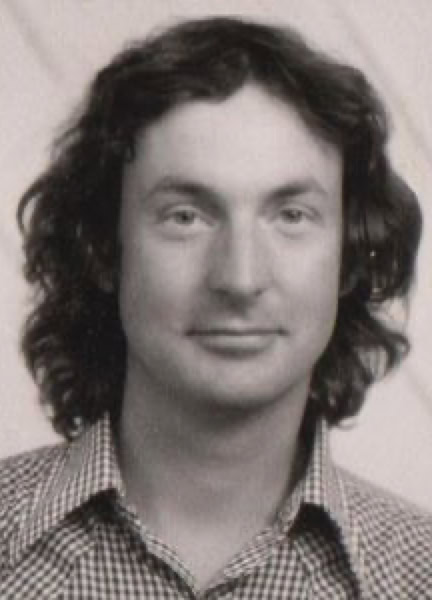
ID photography for Nick’s licence.
MAIN EVENT | EMI promises to add £5 million to the deal if the band release the album before Christmas
Nick Mason:
«During the summer, shortly after the 24 Hours of Le Mans, Dick Asher of Sony / CBS had offered us an agreement increasing our percentages if we managed to deliver an album before the end of the year. After consulting Bob, Roger studied the matter, and together we decided to take up the challenge - and so did our percentages! For part of the recording, we settled in another studio, that of Miraval, located seventy-five kilometers away. It belonged to the jazz pianist Jacques Loussier»
«Inside out - The personal history of Pink Floyd», Nick Mason, 2005.
Storm Thorgerson:
«(Roger) didn't want to use me on The Wall, which is understandable. He was also supposedly cross with me for something, for a credit I'd given him in a book I'd done called «Walk Away, Renée». An illustration of the Animals cover appeared in the book, and Roger didn't like the credit I'd given him. I corrected it on a reprint, so I don't know whether that was really what upset him»
Guitar World, February 1998
Storm Thorgerson:
« Gerarld Scarfe’s evocative illustrations too over Hipgnosis for «The Wall». We not over pleased - especially since Gerald also married the lovely Jane Asher on whom I’d had a crush in my early 20’s ... but really folks no-hard feelings ... Because Gerald’s scathing, raking style laced equally with majesty and vitriol were so much better suited for The Wall project, the case is unarguable »
« Graphic Tales », Discovery Booklet, 2011
Gilmour:
«Roger was very displeased with Storm. These are very old stories and I can't claim to remember every detail, but I think it culminated in Hipgnosis putting Animals into a book of album covers and saying it was theirs and didn't put in that it was from an idea by Roger. Roger's keen quest for credit on everything at the time made him rather upset»
«Danger - and imploding», Mojo, December 1999
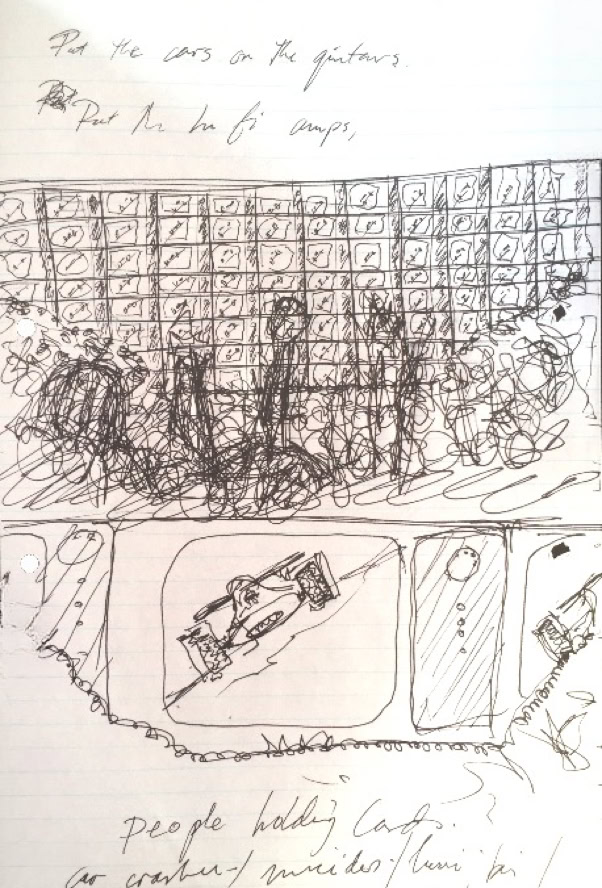
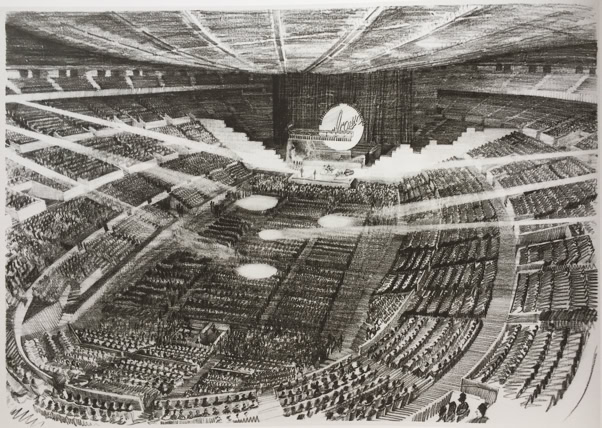
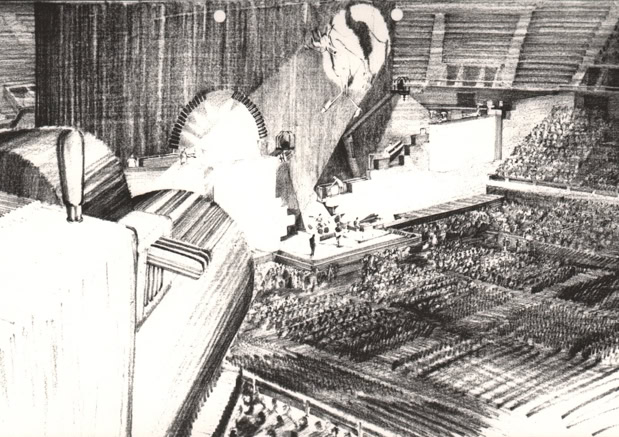
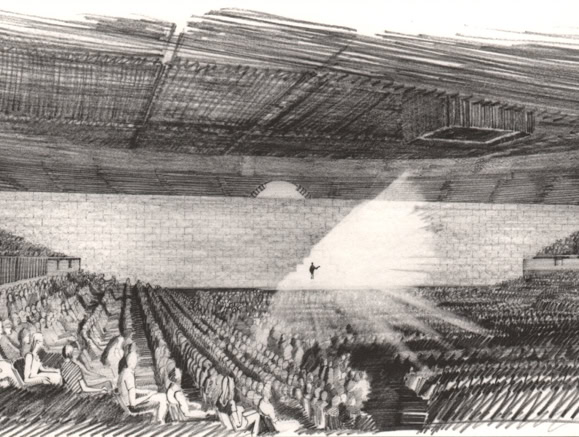
MAIN EVENT | Mark Fisher shows his first work for the stage version of «The Wall». The model of the hall is the Madison Square Garden since this location was initially envisaged).
Drawings by Mark Fisher
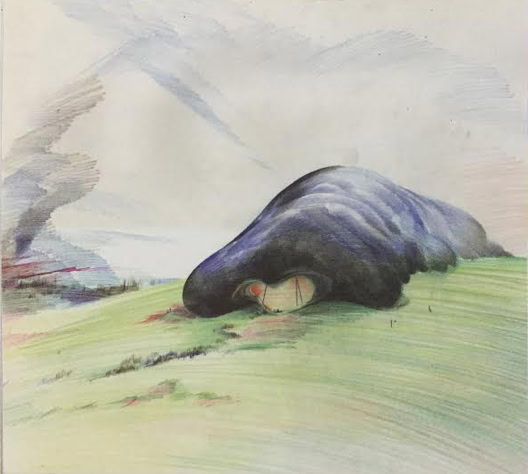
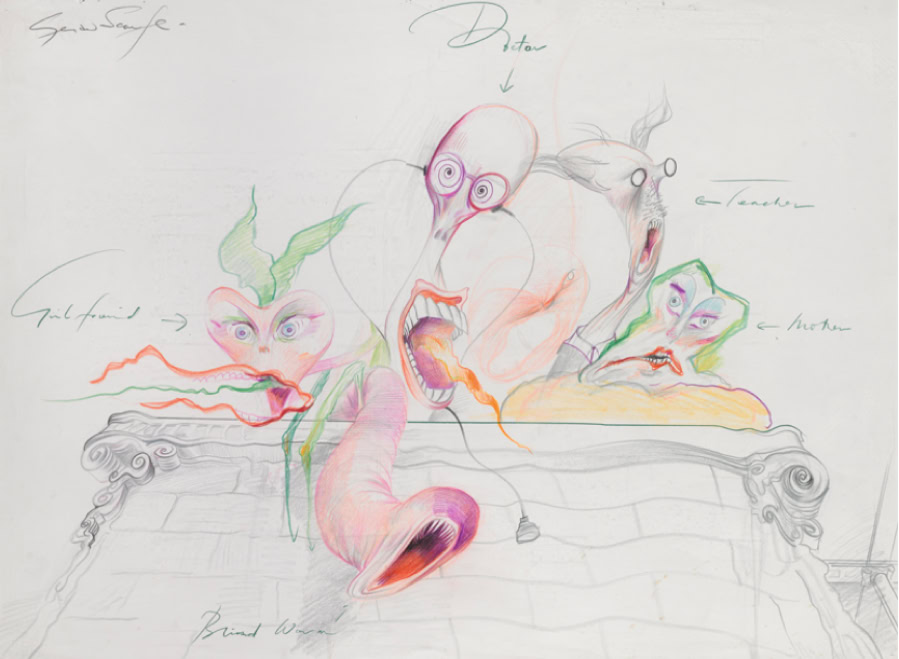
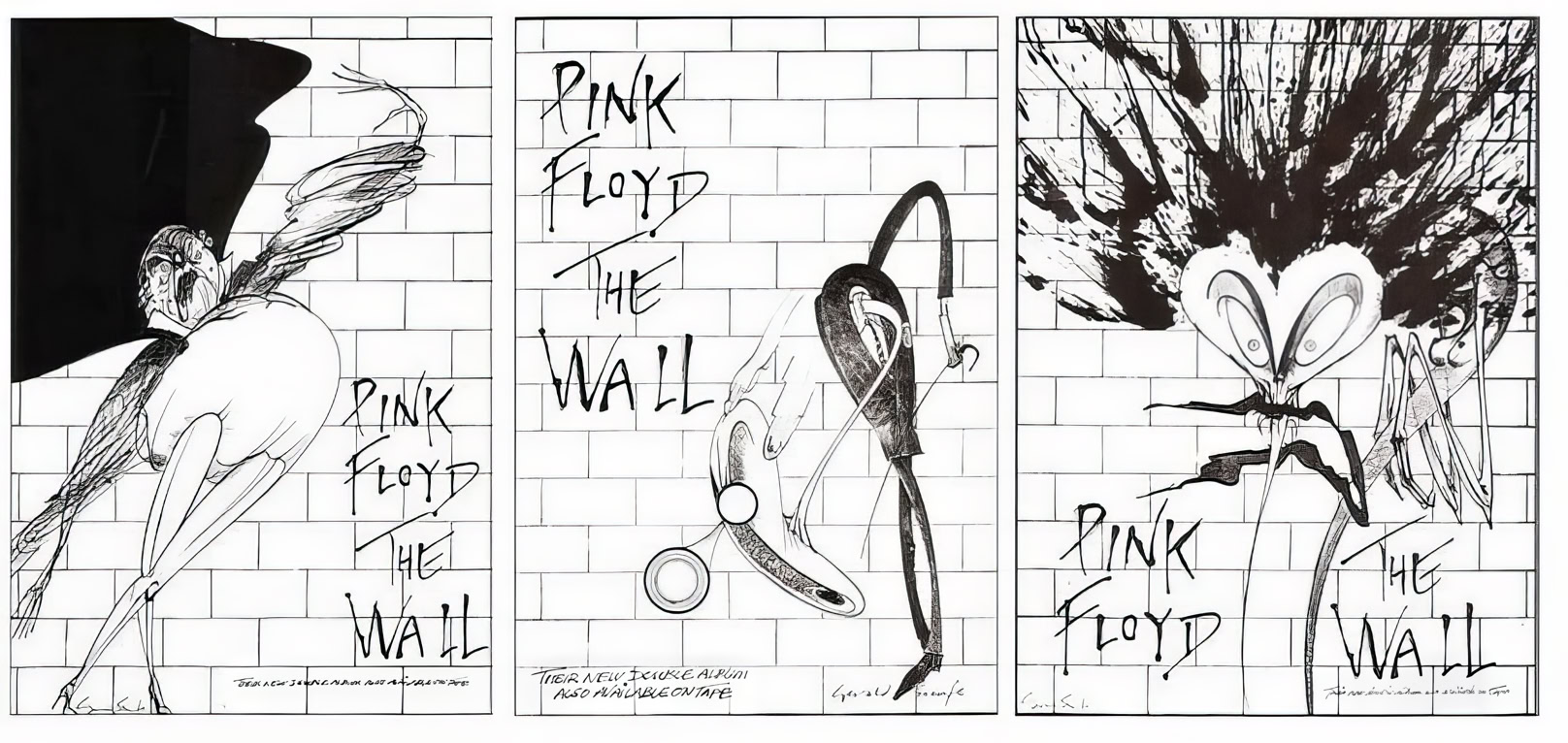
On his side, Gerald Scarfe are working on the first concepts for « The Wall ». Storm and his Hipgnosis studio are out of the visual side for the first time since « A Saucerful of Secrets » for personal and artistical reasons
First sketchs by Gerald Scarfe.
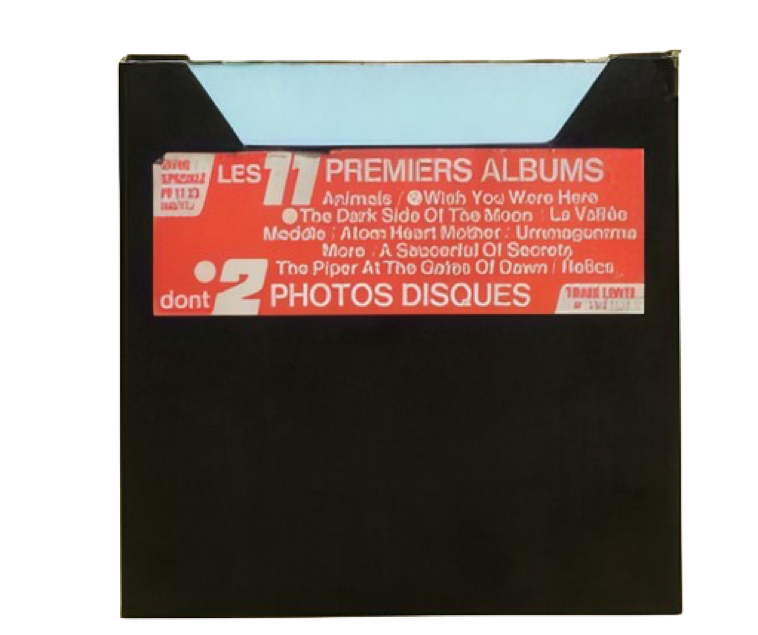
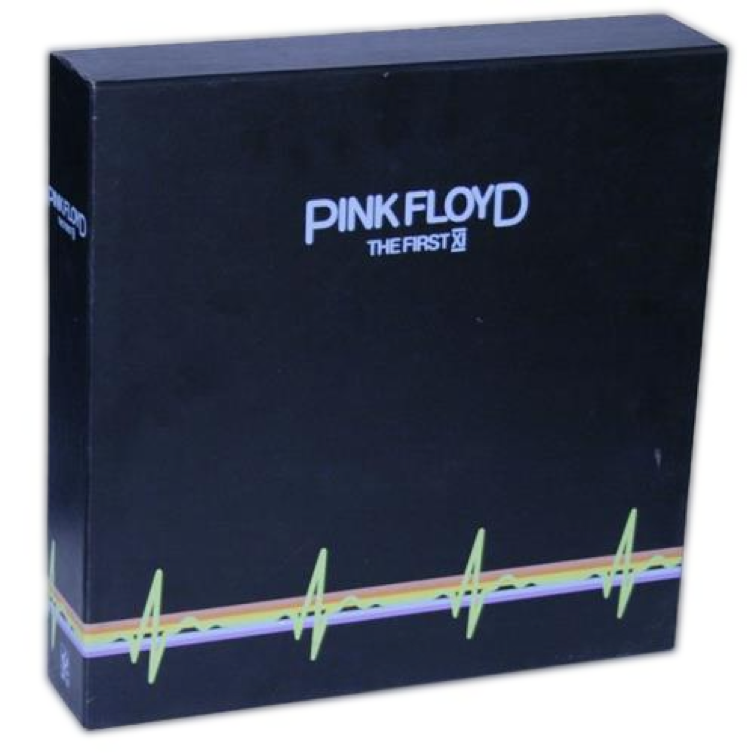
RECORD RELEASE | 6 July 1979. « Pink Floyd - The first XI », a limited edition vinyl box set containing all of their albums to date, is released in the UK.
PRESS MENTION | Late July 1979 Steve O' Rourke sues the promoters of the 1977' Chicago gig
MISCELLANOUS | August: Break in the recording sessions of « The Wall» between France and Los Angeles. Rick goes in Greece and in the south of France, Dave goes in Ireland.
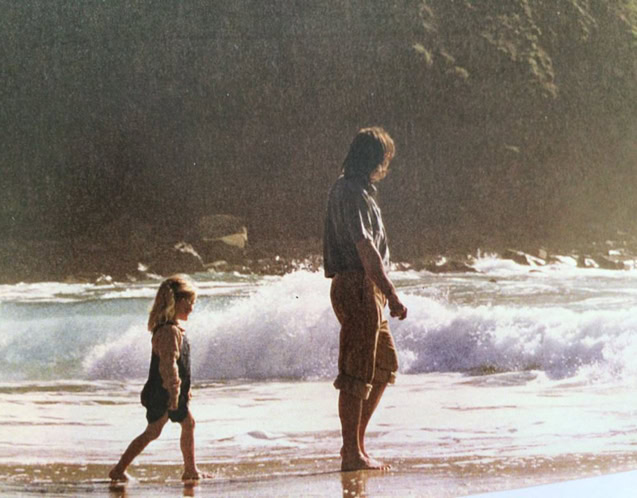
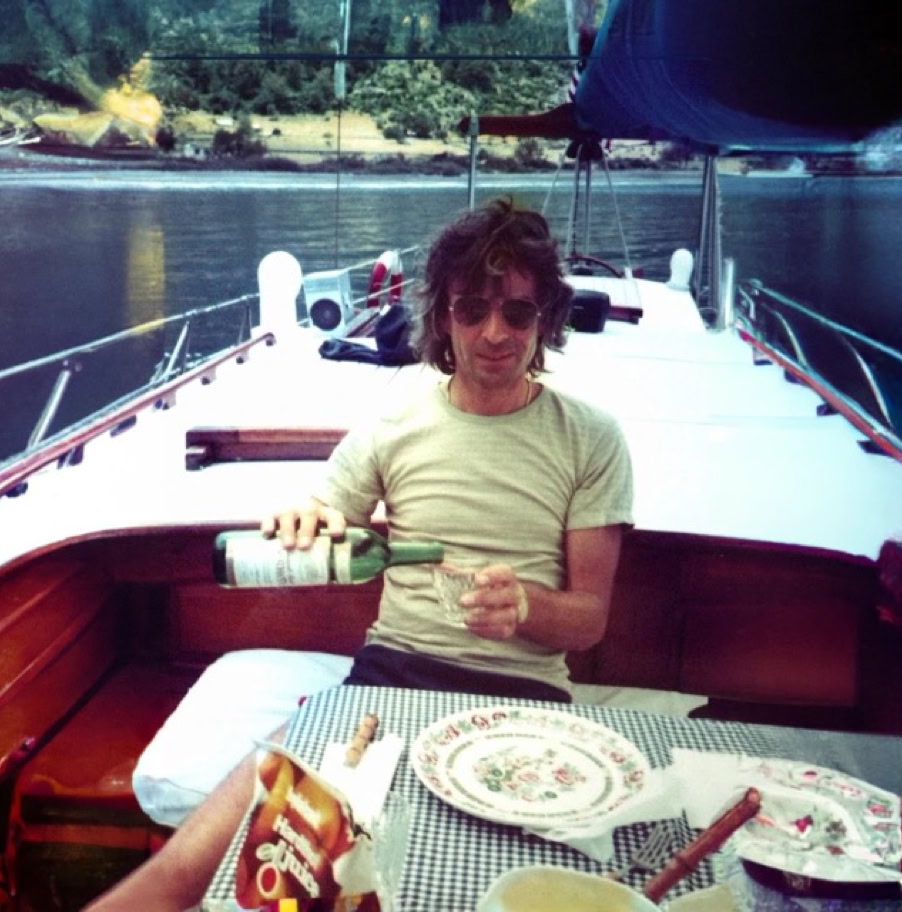
Left: Alice and David Gilmour. Right: Juliet and Rick Wright in their home of Le Rouret, France.
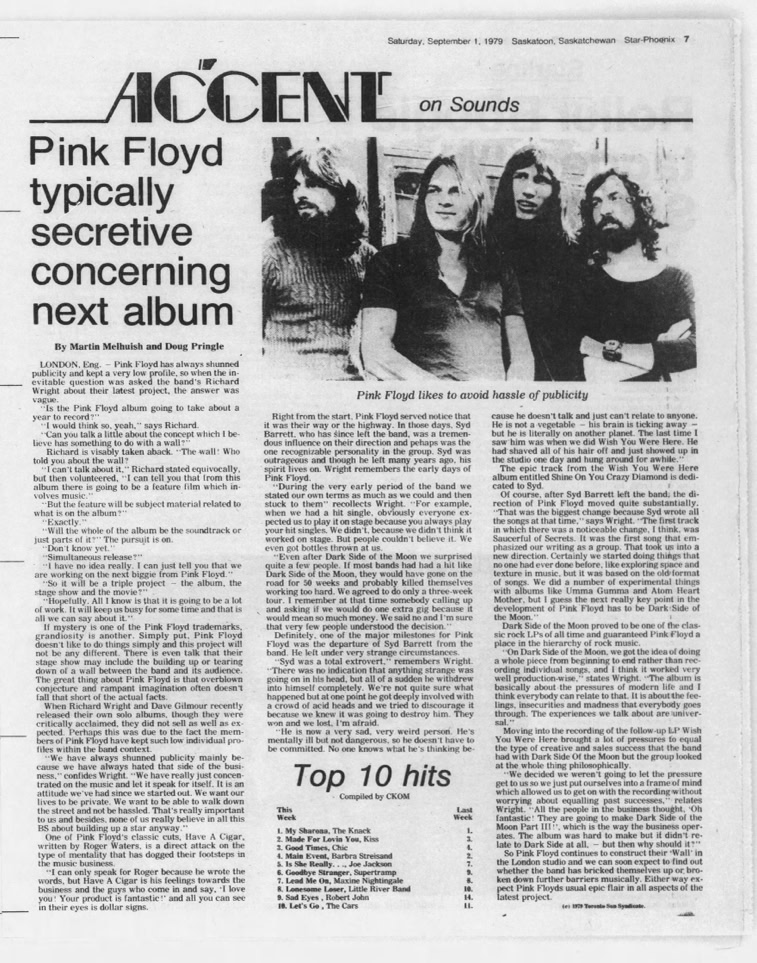
Interviewer: « Is the Pink Floyd album going to take about a year to record ? »
Richard Wright: « I would think so. yeah »
Interviewer: « Can you talk a little about the concept which I believe has something to do with a wall ? »
Richard Wright: « The wall ! Who told you about the wall ? I can t talk about it, I can tell you that from this album there is going to be a feature film which involves music »
Interviewer: « But the feature will be subject material related to what is on the album ? »
Richard Wright: « Exactly »
Interviewer: « Will the whole of the album be the soundtrack or just parts of it ? »
Richard Wright: « Don’t know yet »
Interviewer: « Simultaneous release ? »
Richard Wright: « I have no idea really. I can just tell you that we are working on the next biggie from Pink Floyd »
Interviewer: « So it will be a triple project - the album, the stage show and the movie ? »
Richard Wright: « Hopefully. All I know' is that it is going to be a lot of work. It will keep us busy for some time and that is all we can say about it »
« Pink Floyd typically secretive concerning next album», Star Phoenix, 1st September 1979
Roger, Rick and Jim Haas (who provided backing vocals) during « The Wall » recording
MAIN EVENT | The tensions between members of the band increasing high at the end of the recording sessions
Roger Waters: « There was certainly tension involved, but my feeling as I got up in the morning and climbed in the car in France to go off to work was a good, positive feeling, eager to get to the studio. Obviously, we were having problems with Rick - he was sort of there but not there »
David Gilmour: « Most of the arguments came from artistic disagreements. It wasn't total war, though there were bad vibes - certainly towards Rick, because he didn't seem to be pulling his weight»
Richard Wright: « I wanted to work, but Roger was making it very difficult for that to happen. I think he was already thinking of trying to get rid of me»
Roger Waters: «(…) What actually happened was "The Wall" was the first album where we didn't divide the production credit between everybody in the band. At the beginning of the process, when I said I was going to bring Bob Ezrin in and he was going to get paid, I said, «I’m going to produce the record as well, so is Dave, so we're going to get paid as well, but Nick, you don't actually do any record production, and Rick, neither do you. So you're not going to get paid». Nick said fair enough, but Rick said, «No, I produce the records just as much as you do» So we agreed we would start making the record and we would see. But who would be the arbiter? We all agreed on Ezrin. So Rick sat in the studio - he would arrive exactly on time, which was very unusual, and stay to the bitter end every night. One day Ezrin said to me - he was slightly irked by this brooding presence very occasionally going "I don't like that" - "Why's Rick here again?" I said, "Don't you get it? He's putting in the time to prove he's a record producer. You talk to him about it." So he did. After that Rick never came to another session, unless he was directly asked to do keyboard tracks. And he became almost incapable of playing any keyboards anyway. It was a nightmare. I think that was the beginning of the end»
Richard Wright: «It would have been quite easy to say, "Oh he left because he had a cocaine problem or a drink problem." I can honestly say that it really was not a drug problem. It was taken without a doubt by him, me, Dave, Nick, Bob Ezrin, but purely socially, it wasn't lying around in the studio».
Roger Waters: « There were people who were doing a lot - some of us had big, big problems. I certainly wasn't doing drugs at that point»
Nick Mason: «He just took it and left. I think there must have been an element of him that just thought, "Well I've had enough anyway if it's going to be like this»
Richard Wright: «I fought my corner. Dave and Nick would say, "This is not right, we think it's unfair. "When we had the meeting Roger said, "Look, either you leave or I'm not going to let you record my material for "The Wall.'" It was maybe a game of bluff but that's what he said to me. Remember we were in a terrible financial situation and he said to me, "You can get your full royalties for the album but you can basically leave now and we'll get a keyboard player to finish it." And I spent many days and sleepless nights thinking about his whole thing. I could have called his bluff and said, "OK, go and do a solo album," and I think Roger would have then said, "OK, I'm scrapping all this material" - it was his, so he had the right to do that. I thought about it and thought about it and I decided I can't work with this guy any more whatever happens, I was terrified of the financial situation and I felt the whole band was falling apart anyway. I didn't know, and I think I'll never know 'til the day I die, what would have happened if I'd said, "No, I'm not going to go." So, I made the decision, rightly or wrongly, to leave. But I also made the decision I'm going to finish recording this album and I want to be in the live shows and then we'll say goodbye.
The interesting thing about all that is why, if Roger thought I couldn't perform, why he then said, "OK, that's fine, you can finish recording and do the live shows." It's very weird and bizarre, and it was a time in my personal life - I would say I was confused.
Roger. Waters: «(…) It was absolutely the right thing to do»
«Danger! Demolition in progress», Mojo Magazine, December 1999
The status of Nick Mason is questioned too ..
Roger Waters: « I had a meeting with Dave in my garden in the South of France at which Dave said, "Let's get rid of Nick too." I bet he doesn't remember that. How inconvenient would that be? I went "Ooh, Dave, Nick's my friend. Steady!»
David Gilmour: «Roger and I had lots of discussion because we used to drive to the studio together in France. Nick was working very hard. He learnt how to read drum music and was putting down the tracks with Bob Ezrin and doing a great job. Nick has his limitations as a drummer. Roger says that, but I don't have any memory of that apart from joking about off-loading and getting on with it»
«The show must go on», Rock Classic, January 2000
Nick Mason:
«I think in real terms it would be highly likely that I would have been next. And then after that I think it would have been Dave. That's what's curious when we talk about it now. I think it's just that Roger was feeling more and more that this was his idea and he wanted total control. Roger and I have been friends since we were students, before the band even existed, so I suppose in that way my position was stronger. We all felt fairly hopeless at the time to change it or do anything.
While the new sessions were planned on September 12th, 1979, Waters and Gilmour, after a listening of this mix, decide to re-enter the studio earlier in order to complete some titles. The Cherokee Studios in Los Angeles is then booked from September 6 to 8. Waters asked O’Rourke to call Wright (who had gone to rest in Greece) to participate in these sessions. The latter refuses to shorten his vacation.
Roger Waters:
« We had agreed to deliver the album at the beginning of October and we took a break in August to go on holiday. I sat down with a bunch of sheet music and paper and wrote out all the songs and what was needed and made up a schedule, and it became clear to me that we couldn't get it finished in the time available. So I called Ezrin, "Would you be prepared to start a week earlier on the keyboard parts with Rick in Los Angeles?" Eventually he went, "All right. Thanks, pal," - because of the idea of doing keyboard tracks with Rick. I said, "Look, you can get another keyboard player in as well in case it's stuff he can't handle, but if you get all that keyboard overdubbing done before the rest of us arrive we can just about make the end of the schedule."
A couple of days later I got a call from O'Rourke. I said, "Did you speak to Rick?" "Yeah. He said, 'Tell Roger to fuck off.'" Right, that's it. Here I was doing all this work and Rick had been doing nothing for months and I got "Fuck off." I spoke to Dave and Nick and said, "I can't work with this guy, he's impossible," and they both went, "Yeah, he is." Anyway, it was agreed by everybody. In order not to get a long drawn-out thing I made the suggestion that O'Rourke gave to Rick: either you can have a long battle or you can agree to this, and the 'this' was you finish making the album, keep your full share of the album, but at the end of it you leave quietly. Rick agreed. So the idea of the big bad Roger suddenly getting rid of Rick for no reason at all on his own is nonsense »
« Danger! Demolition in progress », Mojo Magazine, December 1999
David Gilmour:
«I can remember being in Ireland in our break period between finishing in France and going to Los Angles a month later. I was in Dublin and I phoned Roger because I’d heard he was throwing Rick out the band. I called him from a phone box in Chapel-Lizard, just outside Dublin, because the flat I was staying in didn’t have a phone, having this conversation about him throwing Tick out the band and me saying, «You can’t do that. He’s been in the band all the way along. If you don’t like it your choice is to leave, it isn’t throw someone out» I said. «You’re letting this get very personal aren’t you ?» I won’t quote what he said»
« The show must go on », Rock Classic, January 2000
Nick Mason:
«I think that's where the conflict started - because Rick is absolutely not someone you would have a fight with, he's extremely mild. He was his own worse enemy in that he could have perhaps given a little bit more and maybe defused the situation, but I think Roger maneuvered brilliantly (laughs). Made Stalin look like an old muddle-head»
« Danger! Demolition in progress », Mojo Magazine, December 1999
Eventually, Rick came in Los Angeles
David Gilmour:
«Later, in Los Angeles, Rick asked me to gout out for a drink. He said, «What do you think about all this ?» And I replied «Well, you haven’t pulled your finger out at all, you haven’t really done anything to say why you should stay within this band. You’re a founder member of it and as far as I’m concerned, it’s a sacrosanct right for you to stay in it as long as you want to be in it, but you have to make up your own mind about this» He said, «Do you still want me to be in the band». I said, «Not particularly, because you’re not doing anything, but I’ll support your right to be in it till the end»
« The show must go on », Rock Classic, January 2000
David Gilmour:
« I did not go along with it. I went out to dinner with Rick after Roger had said this to him and said if he wanted to stay in the band I would support him in that. My view, then and now is, if people didn't like the way it was going it was their option to leave. I didn't consider that it was their option to throw people out».
« Danger! Demolition in progress », Mojo Magazine, December 1999
Nick Mason:
« Roger made it fairly clear that if Rick stayed, he and the album would not, and I think the threat of what was hanging over us in terms of financial - not just losses but actual bankruptcy - was pretty alarming. We were under a lot of pressure. I felt guilty. Still do really. In retrospect one likes to think that one would have behaved better and done things differently. But probably we would have done completely the same thing»
« Danger! Demolition in progress », Mojo Magazine, December 1999
David Gilmour:
« I can remember driving with Roger one day towards the end of our time in France and he said to me, «God, we must never stop working together, we make a great team»»
« The show must go on », Rock Classic, January 2000
Star Phoenix, 1st September 1979
RECORDING SESSIONS | October 1979, Recording sessions for Nick Mason at Grog Kill Studios of New York for « Fictitious Sports ».
RECORDING SESSIONS | 17 October 1979, Bob Ezrin goes to the Rockpile show at the Hollywood Palladium, near the studios, to record the audience shouting «Pink Floyd» for inclusion in the Run Like Hell intro.
«Emcee Jeff Gonzer, a DJ with top-rated AOR station KMET, agreed and after an opening set by Pearl Harbor and the Explosions, he stepped to the mike to try to talk the crowd into cooperating. According to witnesses, though, the audience didn’t buy it. When Gonzer announced Floyd's name and asked for cheers, he got scattered boos. And when he called for a hearty chant of "Pink Floyd” he got a massive "— you!”
“It was such a sham,” said one observer,“ and such a stupid idea to do that at a Rockpile concert. If he’d tried it at the Clash show two nights earlier. I’m sure he would’ve been murdered »
Cited in «Rolling Stones»
RECORDING SESSIONS | Late October 1979. The album is completed in Los Angeles. the album is previewed to the CBS and EMI executives.
Nick Mason: «There were a number of playbacks. One of the executives from CBS was absolutely appalled - went back and said, "This is terrible, rubbish, what are we going to do?" Of course, it all turned out fine»
James Guthrie: «Unlike most bands who have to answer to the record company, with the Pink Floyd, it's more, "We're going to make an album now, you'll hear it when it's finished." The official playback was at CBS Records in Century City. I went in a couple of hours early with a quarter-inch tape to set up the sound system in their conference room. By the time we got to the bit where the stukas swooped down, it was so loud it blew the right speaker, so we hunted the entire building for an office that was big enough and had a sound system that was even halfway decent. We eventually found one and took all the furniture out, threw in a load of cushions, turned the lights off and just played the album»
« Danger! Demolition in progress », Mojo Magazine, December 1999
MAIN EVENT | Late October 1979. Syd returned to Cambridge … definitely
Jenny Spires (Syd’s girlfriend):
«Occasionally I’d bump into him in Sainsbury’s or in town, or see him in B&Q buying wood. He’d actually reached a stage where he was quite content with what he was doing in his life. He’d always say he was painting, because he was a painter. I think he saw the music as a kind of blip on his life. He had created all those songs, then Floyd had gone off and done an extension of what he was doing that he wasn’t interested in»
«The real Syd Barrett – by the people who knew him», Prog Magazine 17 June 2016
One of the first adverts published on October.
One of the first adverts published on October.
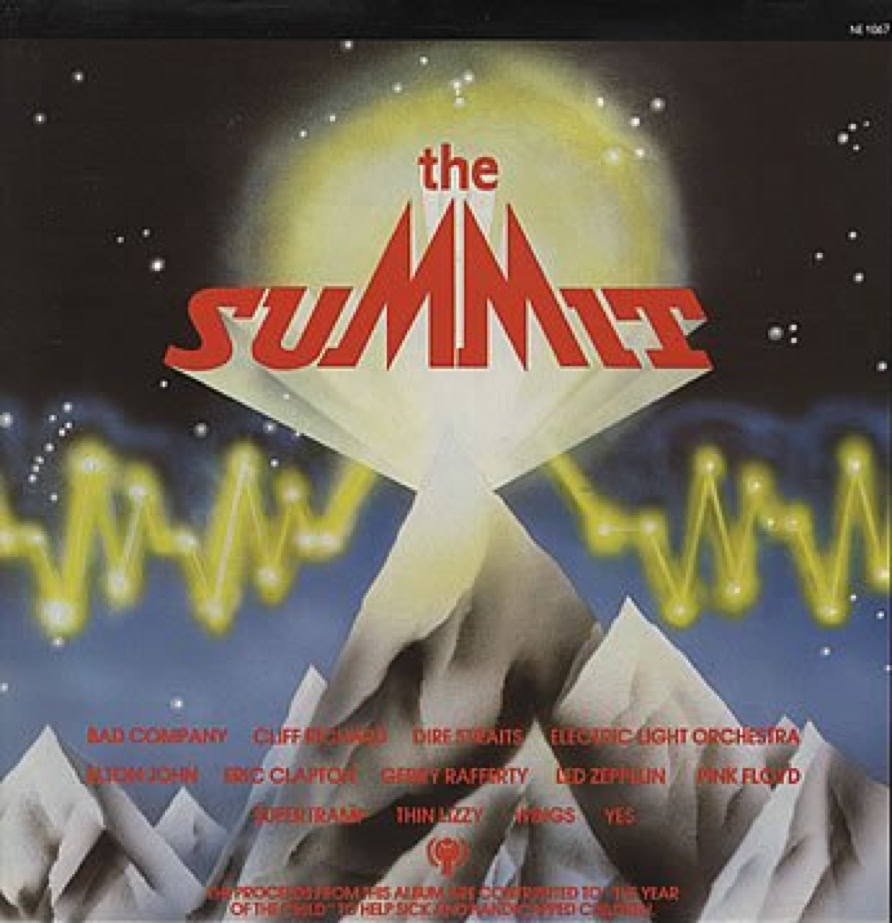
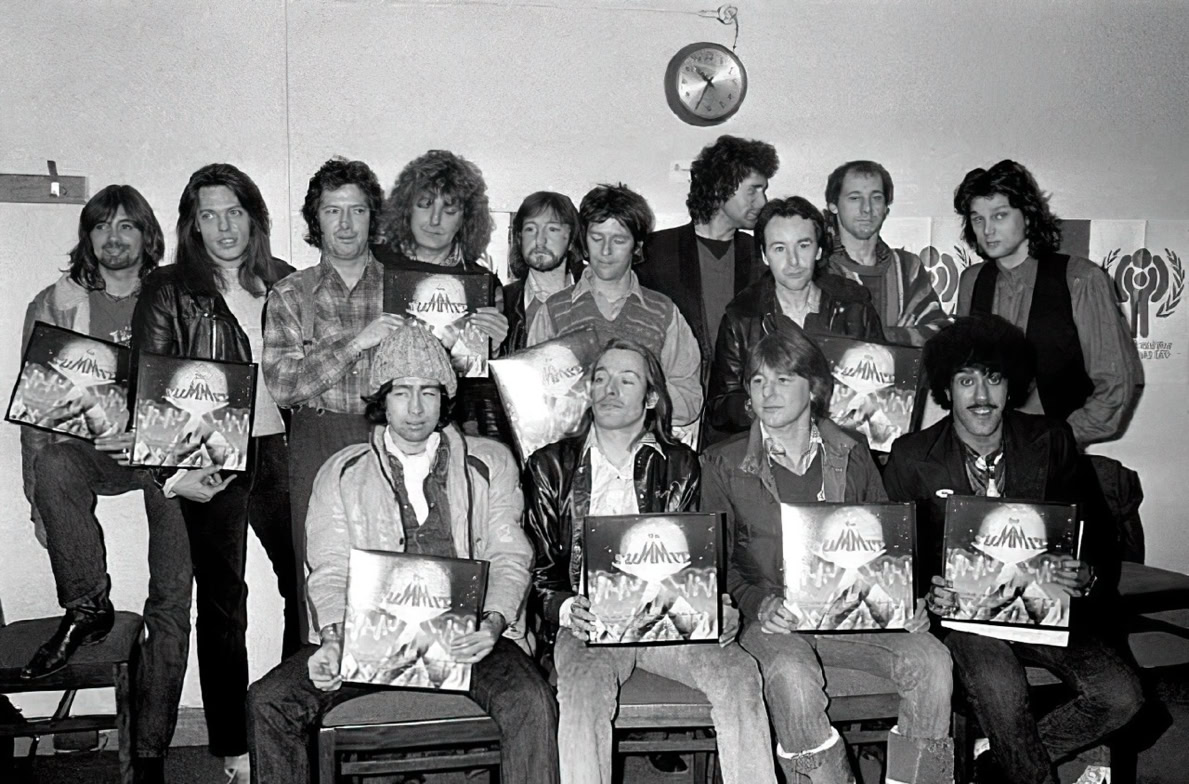
RECORD RELEASE | November 1979, the band is asked to provide one track for a benefit project dedicated to the year of the child (in 1980) along Dire Straits, Thin Lizzy, Led Zeppelin, Eric Clapton among others
Interviewer: « Roger, the first question I'd like to ask you is why did you choose the track "Welcome to the Machine" to go on the Summit album ? »
Roger Waters: «Uh, we didn't actually choose it. They did. We gave them a short list of tracks that we would be very happy for them to use, and that was the one that they picked out»
«Call to Roger Waters in Los Angeles», BBC Radio, January 1980
the only people missing from the photo are the members of the group who could not return to England for tax reasons
MISCELLANOUS | November 1979, the « Bricks system » is tested at Brittania Row Warehouse
RECORDING SESSIONS | Novemer 1979, More recording sessions for «Fictitious Sports» at Grog Kill Studios, New York (the release will be delayed for two years).
Nick Mason:
«Originally, I had arranged to go to America and make an album using all sorts of material, but then Carla sent me a cassette with some of her ideas. It was very different from what she had done before and absolutely in line with what I like. So I thought it would be much better to do that than to struggle desperately to find things that work together».
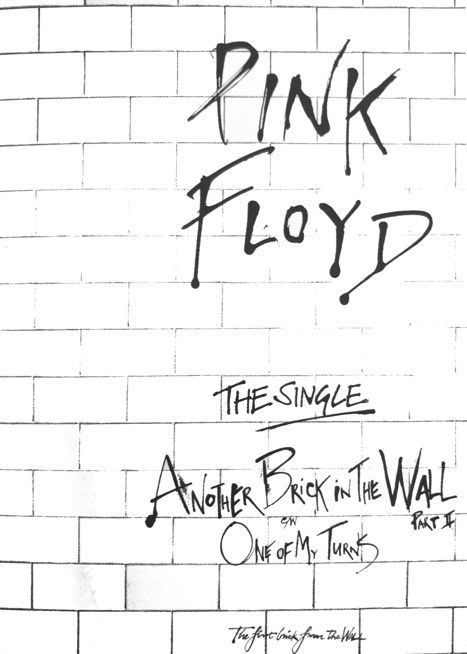
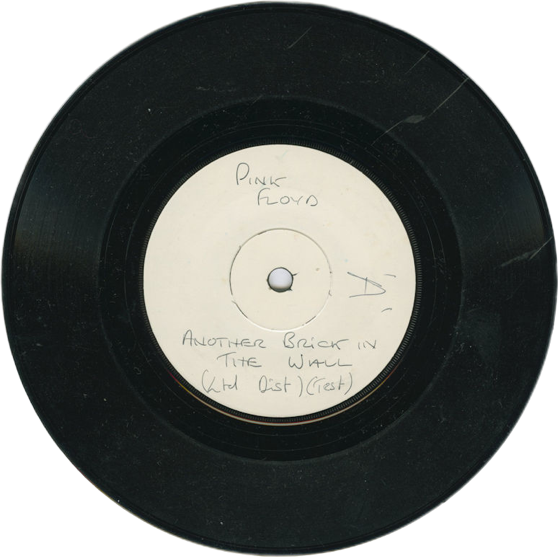
RECORD RELEASE | 23 November 1979 Pink Floyd's single Another Brick In The Wall, Part 2 (B-side: One Of My Turns) was released in the UK. It was the group's first UK single since Point Me At The Sky in 1968, and spent four weeks at No. 1 in the charts. The band needs to have a promo clip
Gerald Scarfe:
«Roger called me from France to say that their single, Another Brick in the Wall Part 2, had gone to Number One: if i could put a video together to accompany it in three days, they could get that on to the BBC as well»
«The making of Pink Floyd the Wall», Gerald Scarfe.
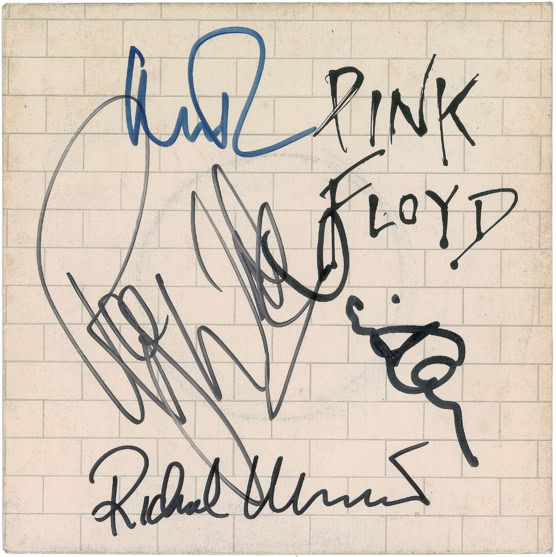
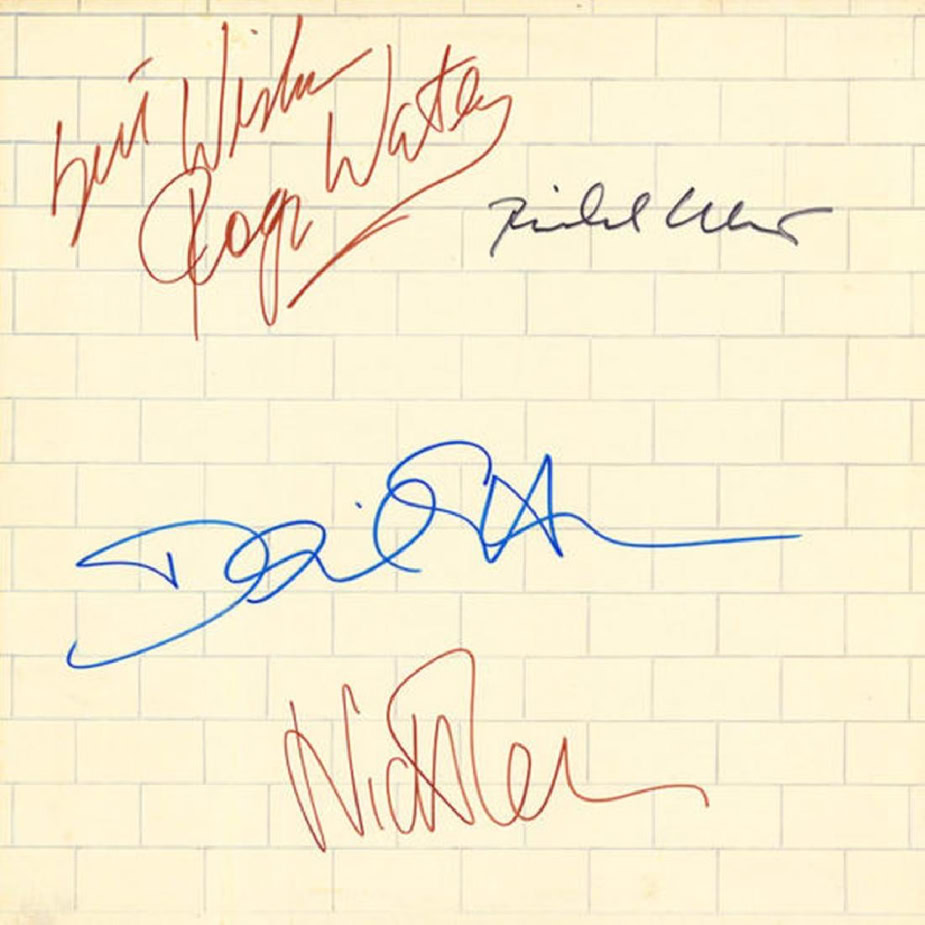
Left: First issue with the signatures of the musicians. Right: The test pressing of the single.
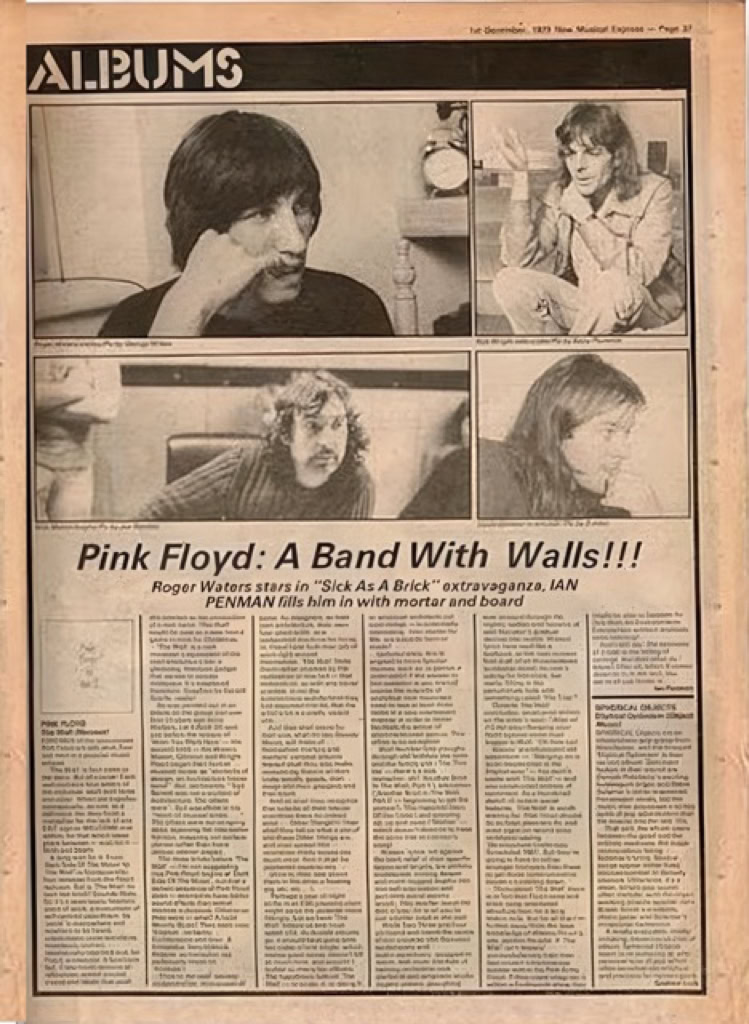
New Musical Express, 1st December 1979
RECORD RELEASE | 30 November 1979, « The Wall» is released in UK. It reached No. 3 in the charts (according to Bob Ezrin, the album costed $700,000 to make.
Gerald Scarfe:
« The cover didn’t take long. It’s just a grid, really. But we tried it in various different ways: there were dark black lines, there were soft grey line, big bricks, small bricks. The writing on the front was just written by me, very quickly, I think I would have done it with a little more panache these days. We were actually worried about blemishing the purity of the cover, and almost wanted not to have a logo on the front. But the commercial decision was that nobody would know what the album was, so the logo was put on a separate piece of cellophane inside the shrink-wrap. Pace you opened it, the logo fell off and you had a pure-white album.” »
« The story behind Pink Floyd’s The Wall album cover », Prog Magazine Website. 13 July 2016.
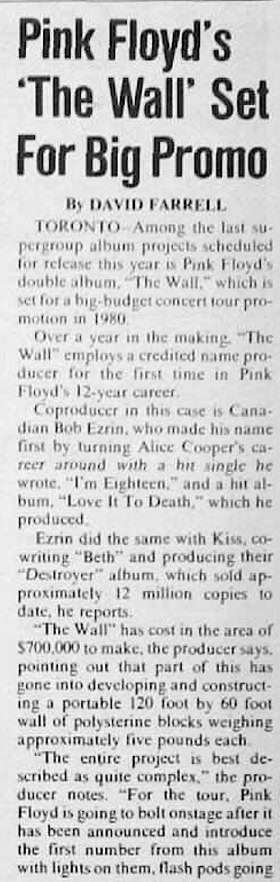
MAIN EVENT |1st December 1979, Bob Ezrin gives a famous interview on Billboard to his friend David Farrell. During this article Bob gave many details on the course concert. He will be banned after that by Roger Waters
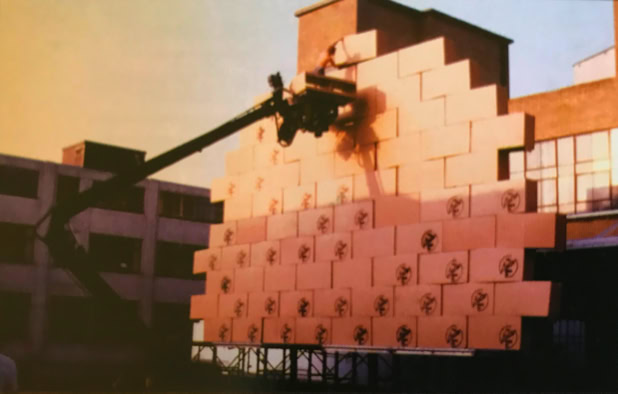
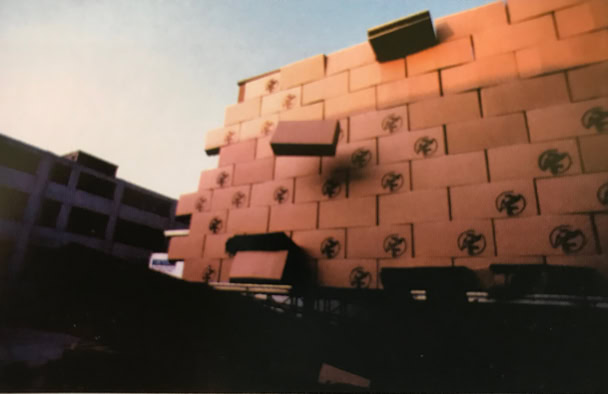
« Among the last supergroup album projects scheduled for release this year is Pink Floyd's double album. "The Wall." which is set for a big- budget concert tour promotion in 1980. Over a year in the making. « The Wall» employs a credited name producer for the first time in Pink Floyd's 12 -year career. Coproducer in this case is Canadian Bob Ezrin. who made his name first by turning Alice Cooper's career around swab a hit tingle he wrote. "I'm Eighteen." and a hit album «Love It To Death» which he produced. Ezrin did the same with Kiss. cowriting "Beth" and producing their "Destroyer" album. which wild approximately 12 million copies to date, he reports. «The Wall» has cost in the area of $700.000 to make, the producer says, pointing out that part of this has gone into developing and constructing a portable 120 foot by 60 foot wall of polystyrene blocks weighing approximately five pounds each. "The entire project as best described as quite complex." the producer notes. "For the tour. Pink Floyd is going to bolt onstage after it has been announced and introduce the first number from this album with lights on them. flash pods going off. the works. Audiences are used to waiting 20 minutes to see the band as the lights slowly come up as has been the case on previous tours.
« The wall starts going up behind them, slowly enveloping the stage and finally the band gets walled in behind it at the end of the first half of the concert. At this point the audience gets so frustrated it h yelling "tear it down" and we do. It is a phenomenal spectacle to see » (...)
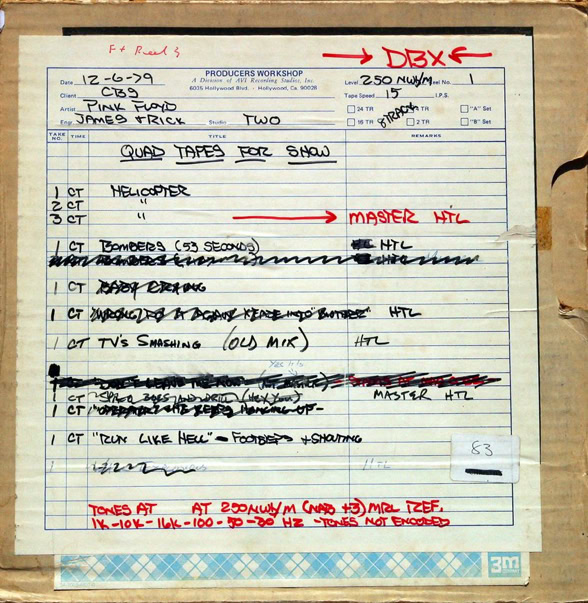
Ezrin says "The Wall" was started last December at Super Bear Studio in France, with additional recording done at Chateau Miravel in the same country. Final mixes were completed on the double album at Producers Workshop in Los Angeles, using two sound rooms and some 70 to 80 "information bits" or tracks, mixed down to conventional twotrack stereo. Asked to describe himself. Ezrin notes "basically I am a troubleshooter. I'm the one who is given the things no one else will do or things they (record labels) won't let anyone else do. I get to tackle the monstrous egos." He adds that Pink Floyd is not one of the monster egos in the studio, "they are as professional as one can hope to work with." The Pink Floyd tour dates have yet to be released. but a North American romp is a certainty early next year in indoor arenas»
«Pink Floyd’s The Wall set for Big promo», Billboard, 1st December 1979
««I did a stupid, stupid thing», says Ezrin. But I had no idea the lengths some people will go to for a story.' (...) Waters was determined to keep all details about the upcoming shows a secret, and made Ezrin sign a non-disclosure agreement. 'I had a friend who was a big Floyd fan and was living in LA,' explains Ezrin. 'I arranged tickets for him to see The Wall at the Sports Arena. A week or so before, he rings me up, saying he couldn't get the time off work to go to the gig and begging me to tell him what it was like.
Then, one week before the opening night, there's this article in Billboard magazine, giving a detailed account of the show, "as described over dinner with Bob Ezrin"! Once he saw that, Roger went nuclear. He shut me down, looking for breaches of contract so he didn't have to pay my expenses. I screwed up, sure, but it didn't call for that violent a reaction.' Ezrin was banned from attending any of the shows: 'Not that that stopped me.' Undeterred, he bought his tickets, hired a limousine and turned up backstage at the Memorial Coliseum.
Pink Floyd's security team refused to let him in, but the staff security had previously been employed by Ezrin's old clients Kiss and immediately ushered him through»
Cited in «Pigs might Fly - The inside story of Pink Floyd» Mark Blake, 2007
RADIO SESSION |Roger Waters gives a seminal interview to Tommy Vance for the BBC Radio One to promote the new LP.
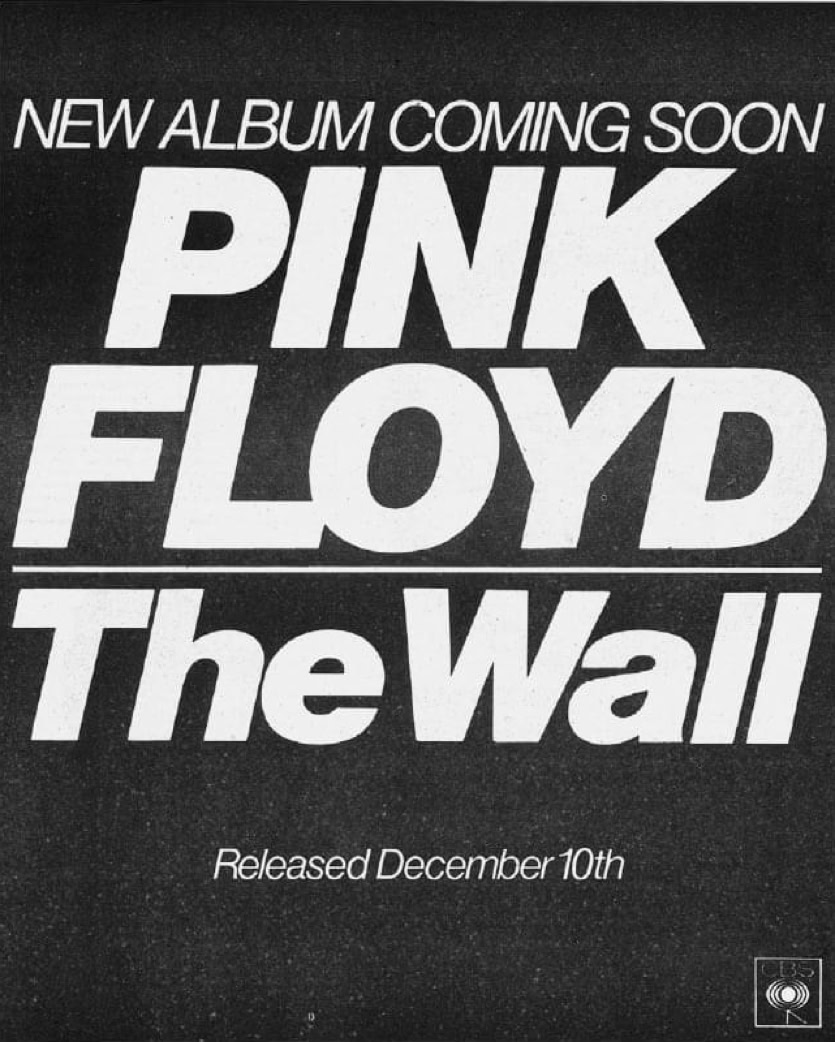
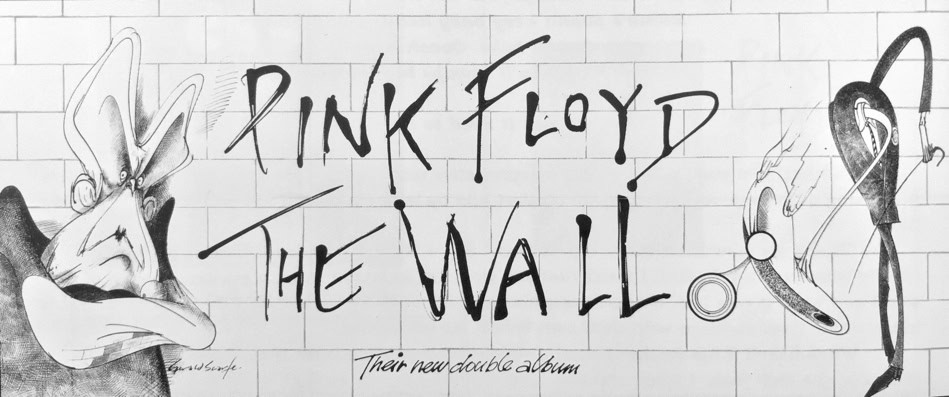
English adverts published in the press
RECORD RELEASE | 8 December 1979 «The Wall» is released in the US and reached No. 1 in the charts. The band announces originally to perform at the Madison Square Garden but the Hall only offered two-nights performance (due to sport commitments)
Columbia created a TV trailer with the work-in-progress drawing of Scarfe to promote the album in the US market.
MISCELLANOUS |12 December 1979, Nick Mason are finished his working with Carla Bley for a future album. In meantime, «The Wall» is certified platinum by the BPI.
MAIN EVENT |16 December 1979, The band announces the beginning of the tour on Nassau Coliseum
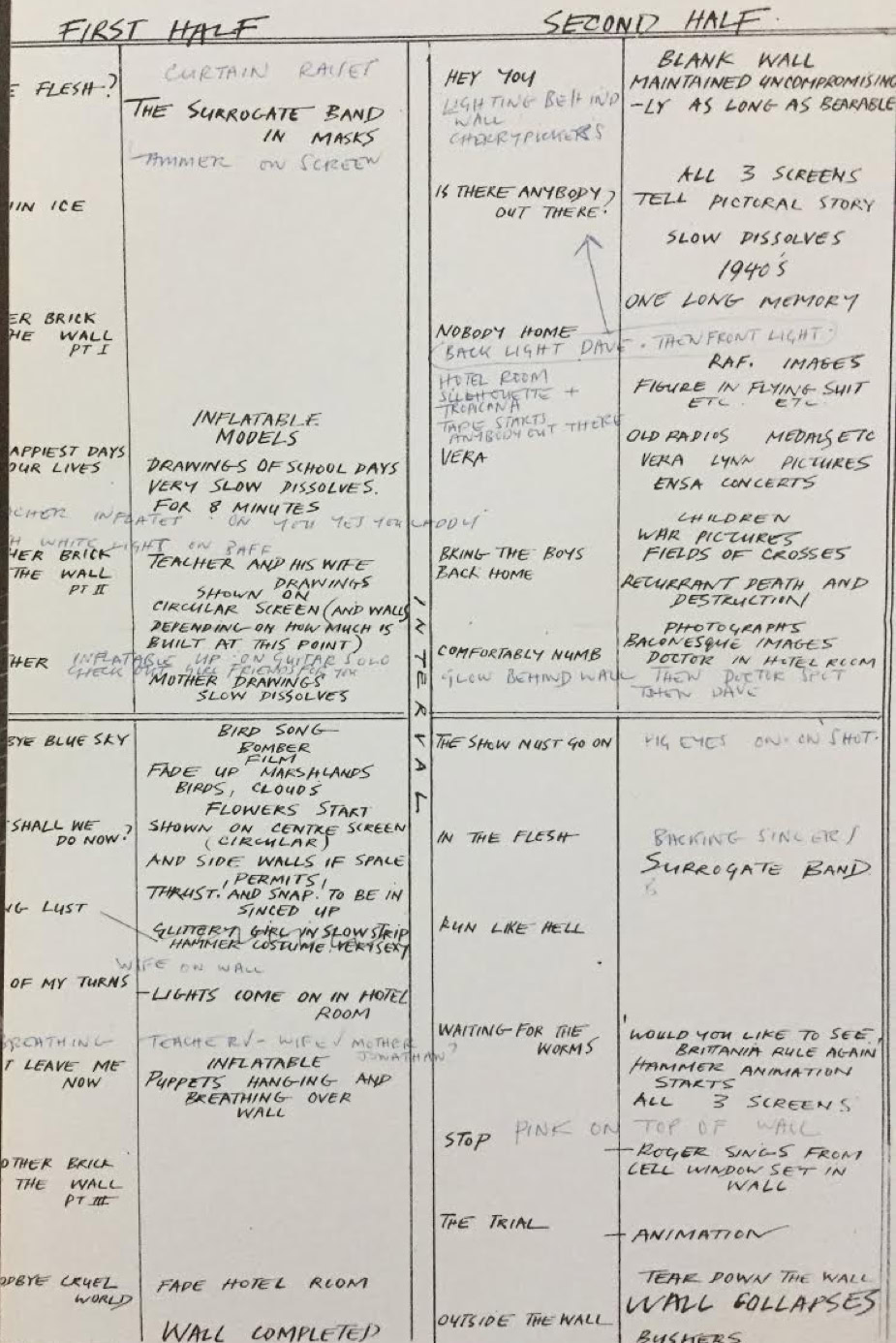
Gerald Scarfe’s feedback notes about « The Wall » shows.
« When word game out last week the Pink Floyd (…) would be making its only East Coast concert appearance at nassau Coliuseum, the computers were pushed to warp-drive to handle the demand. In less than five hours 33,000 tickets were sold, breaking all Ticketron box office records »
« Pink Floyd sets mark as a Coliseum boffo», Daily News Sun, 23 December 1979
MISCELLANOUS |29 December 1979, Gilmour is invited by McCartney to play on the track «Rockestra» at Hammersmith during the benefit « concerts for the people of Kampuchea». For tax reasons, he had to decline, as he has to stay out of England with the rest of the band (in Los Angeles).
PRESS MENTION |Late December 1979, According press « The Wall » encounters a huge success with very high sales
Barbara Cooke (director of merchandising for Columbia Records):
«We felt we had a monster as soon as we heard the record. We knew that Pink Floyd had a built-in following, and that combined with the high quality of the record, there would be a broad-based appeal. When we released the album in November, it took hold quickly. It went platinum within three weeks after it had shipped, and by December, we knew the album would be a particularly good package for the holiday season and that its sales would sustain. During that time, our indications from AOR radio were that ‘Another Brick In The Wall’ was emerging as the single. We held off releasing until the first of the year, after which the success of the single, in conjunction with the group’s February tour, further stimulated sales of the album»